
GAF Commercial Roofing in Clovis, CA
Roofing Manufacturers
A spreading ceiling mark after the first winter rain could put an owner in Clovis, CA on the phone before anyone knows which roof material is overhead. A GAF name in the building records narrows the search, but it does not tell us whether the roof is TPO, PVC or modified bitumen, all families that GAF documents. The practical task is to identify that covering, find the entry point and establish whether water has stayed near the surface or entered the insulation. Emergency calls reach us through the night, weekends and holidays; conditions and access determine what can happen immediately.
The first conversation concerns the room taking water, active electrical hazards and a route onto the building. An owner can describe a drip without going onto a wet roof. We coordinate interior protection with building staff, then examine the roof when access is safe. A temporary closure may limit the loss, but the permanent repair needs a compatible material and a sound attachment surface.
The covering beneath the label
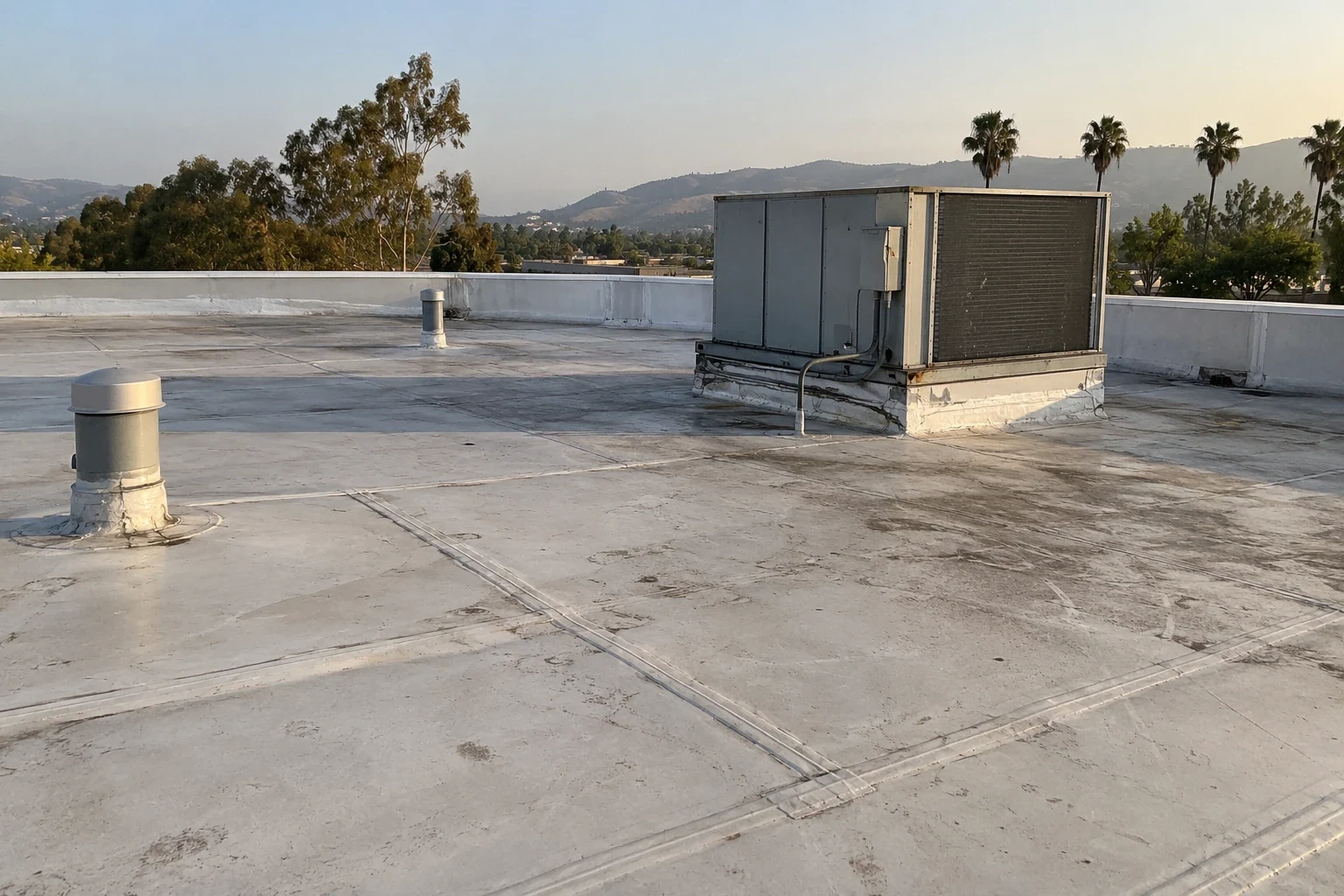
A white sheet and a dark layered covering lead to different investigations. Heat-welded thermoplastic seams require a different repair approach from bonded rubber details or layered asphalt materials. We inspect exposed edges, available labels and construction records before treating the roof as a particular family. An old invoice that only says GAF cannot settle a membrane identification, and an earlier patch may introduce another material into the area now leaking. That uncertainty belongs in the diagnosis before new adhesive or heat reaches the surface.
For a TPO membrane with an open lap, we examine the joint and adjacent field rather than assuming every nearby seam has failed. A split through reinforced material, a damaged termination and an opening beside a pipe need separate repairs. If a comparison with Carlisle membrane options is part of a replacement decision, we compare assemblies for the building; a shared family name does not make repair components interchangeable.
Water control before seam work
A roof drain surrounded by loose debris can leave water over a weak lap during a rain event. Removing the obstruction may reduce standing water, but it cannot close the damaged joint beneath it. We establish the path toward the outlets, examine the surface near the leak and record any temporary measures already used. Saturated ceiling materials and energized equipment require the building operator to arrange suitable interior controls while our inspection addresses the roof itself.
An owner considering repair of the active leak needs to know what the temporary work actually protects. We describe the treated opening and the remaining exposure, then plan the follow-up visit around conditions at that location. Smearing an unidentified sealant across a dirty seam can hide its condition and complicate removal. Where a compatible temporary treatment is feasible, it remains a short-term response pending preparation and a durable detail. The roof must still shed water after the rain stops.
The repair boundary
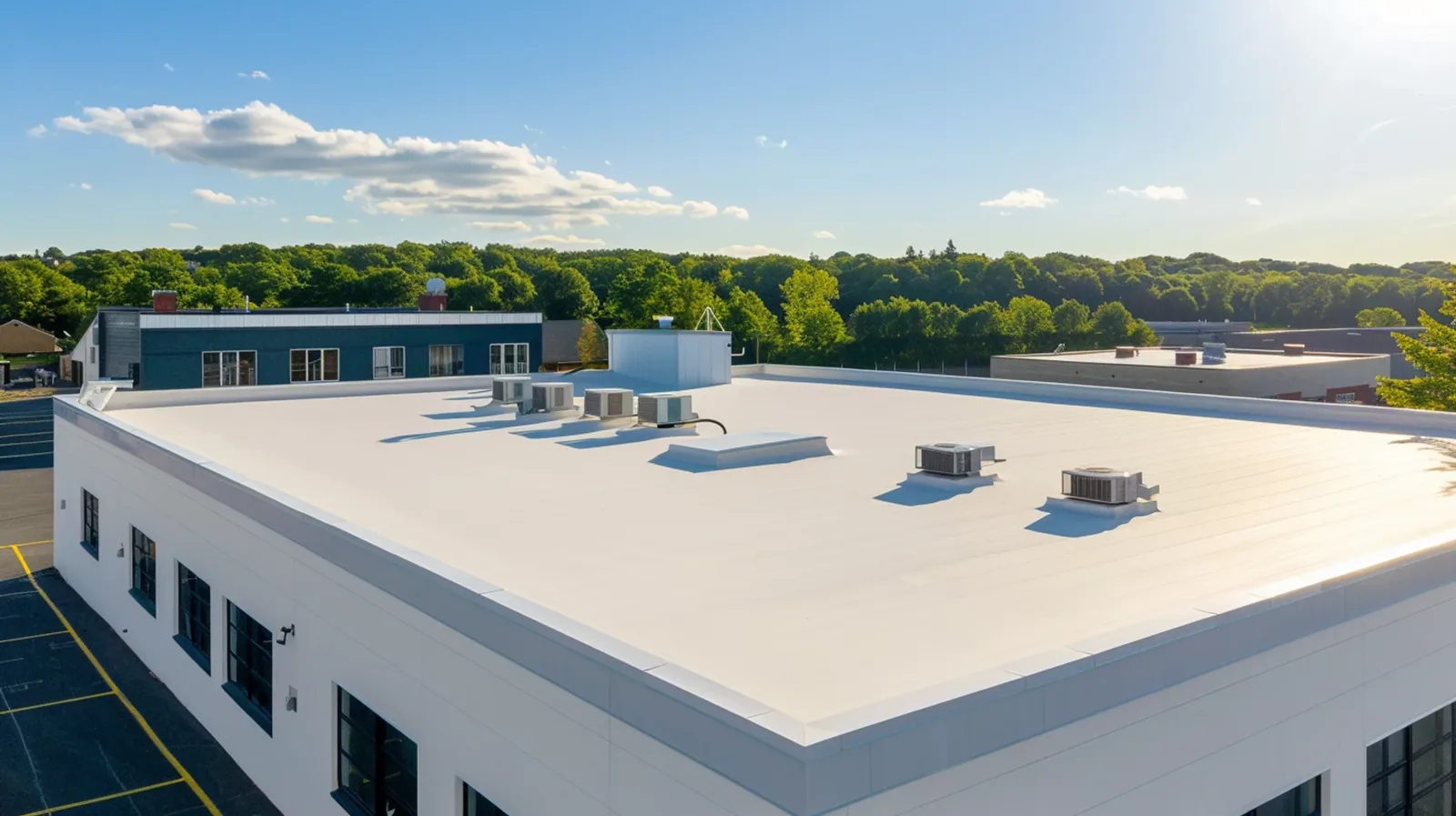
A soft area beside the entry point may indicate compromised material below the membrane, but foot pressure alone does not establish the extent of moisture. We map suspicious areas, use suitable moisture investigation and confirm selected locations when the roof and access permit. The proposed repair boundary follows that evidence. Covering wet insulation with a clean patch can leave the owner with a dry-looking surface over material that still needs removal, and it can obscure the actual cost of restoring the assembly.
For an isolated opening above dry, firm insulation, a localized repair may be the appropriate permanent work. A broader wet area may require cutting back to serviceable material and rebuilding the affected assembly. If several parts of the roof have reached that condition, Johns Manville system families may enter a replacement comparison alongside GAF. We explain the difference between stopping one entry point and correcting the surrounding roof, with separate work limits and access requirements.
Heat, fog and surface readiness
The July 2024 heat record for Fresno includes a monthly mean of 90 degrees, a regional context for examining stressed roof details. That regional heat history helps explain why movement and material exposure deserve attention around Clovis, without establishing the cause of a particular leak. We look for stretched details, displaced edges and changes where rooftop equipment meets the membrane. A blister does not by itself prove trapped water, and a bright roof does not by itself establish that insulation underneath remains dry.
After-sunset formation and a predawn peak characterize winter tule fog in the Central Valley, so roof preparation may need to wait for suitable conditions. A planned morning repair therefore starts with the actual surface condition, not the clock. Dampness, contamination and temperature can affect preparation or application. On a building in Clovis, we discuss possible delays before removing roof material, then select an opening size that can be protected within the available working period. An owner needs a realistic stopping point if conditions deteriorate.
The rooms under the work
A GAF repair above an occupied medical or office space should connect the room report to the roof-side detail without assuming the indoor stain is directly below the opening. In Clovis, the Herndon medical district includes varied facilities and operating requirements. Identify the actual assembly, nearby ventilation and affected room, then follow the approved system documents for preparation and closure. The property operator determines interior restrictions and access.
With roofing above occupied rooms, the owner should receive the intended closure for each work period and the response if new water appears outside the original area. We document the condition before work and the completed detail afterward. Material identification, moisture findings and changed repair boundaries stay together in the written account, so the next visit begins with the actual roof history rather than another description of the same ceiling stain.
Where a GAF assembly is part of a larger occupied property, define the repair boundary and material tie-in before work begins. Confirm the substrate, existing layers and nearby penetrations at the actual site, then document whether the proposed detail follows the approved specification. If a field condition differs from the project documents, request review before concealing it. A closeout record should identify the installed components and the roof area they serve.
Commercial Roofing Questions
Does a GAF invoice identify the repair material?
The membrane designation is the deciding factor. An invoice may identify the manufacturer while omitting the installed family or later alterations. We compare records with physical roof evidence and identify the affected covering before choosing the permanent patch, joining method or preparation procedure.
Can the wet insulation remain under a new patch?
Confirmed moisture changes the repair boundary. A surface patch can stop entry without restoring insulation already affected below it. We explain where removal is indicated and distinguish that reconstruction from an isolated seam treatment, rather than leaving the owner to assume both are included.
Should a drain problem be corrected before a seam split?
Water depth and the open entry point both matter. Clearing a reachable obstruction may reduce exposure while a suitable temporary closure addresses the split. Permanent work then deals with the outlet condition and membrane defect so the next rain does not recreate the same combination.
Will a morning fog delay cancel the repair visit?
Actual surface readiness controls application. Inspection and interior coordination may proceed even when dampness prevents the intended treatment. We discuss what can be accomplished safely and the conditions required for completion, especially before opening a roof above an occupied room.
Can another manufacturer replace only the damaged section?
Assembly compatibility governs that choice. We evaluate the junction with the existing roof, the supporting layers and the intended joining detail. A brand change is not a shortcut around those checks, and larger replacement boundaries may be needed to produce a coherent assembly.
Describe the wet room and the GAF records
Call with the location of the ceiling damage, whether water is still moving and any membrane designation in your records. We assess access and urgent protection, then explain the repair investigation and the work possible under the conditions that day.
Related Pages
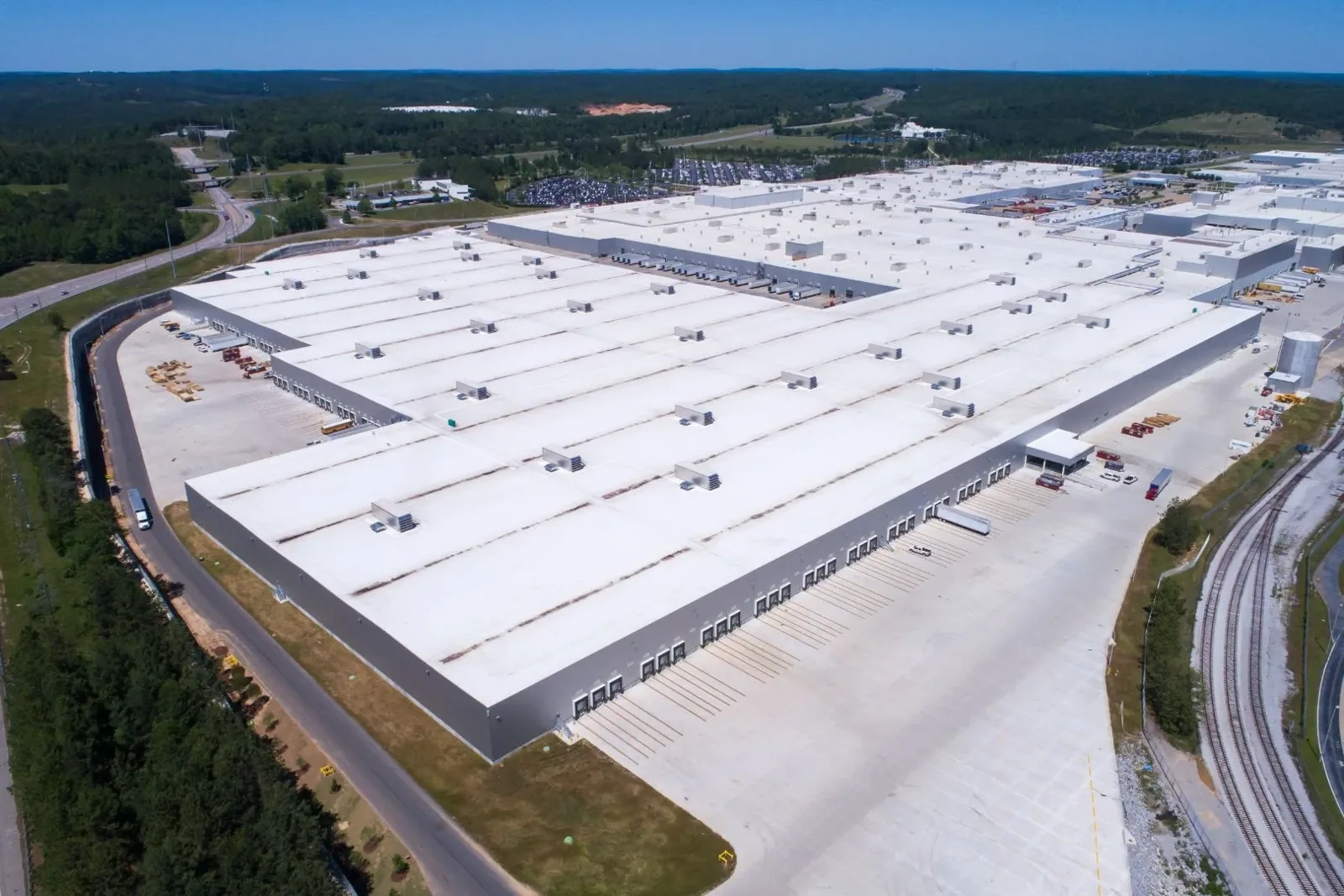
TPO Roof Repair in Clovis After a New Drip
Read the full page
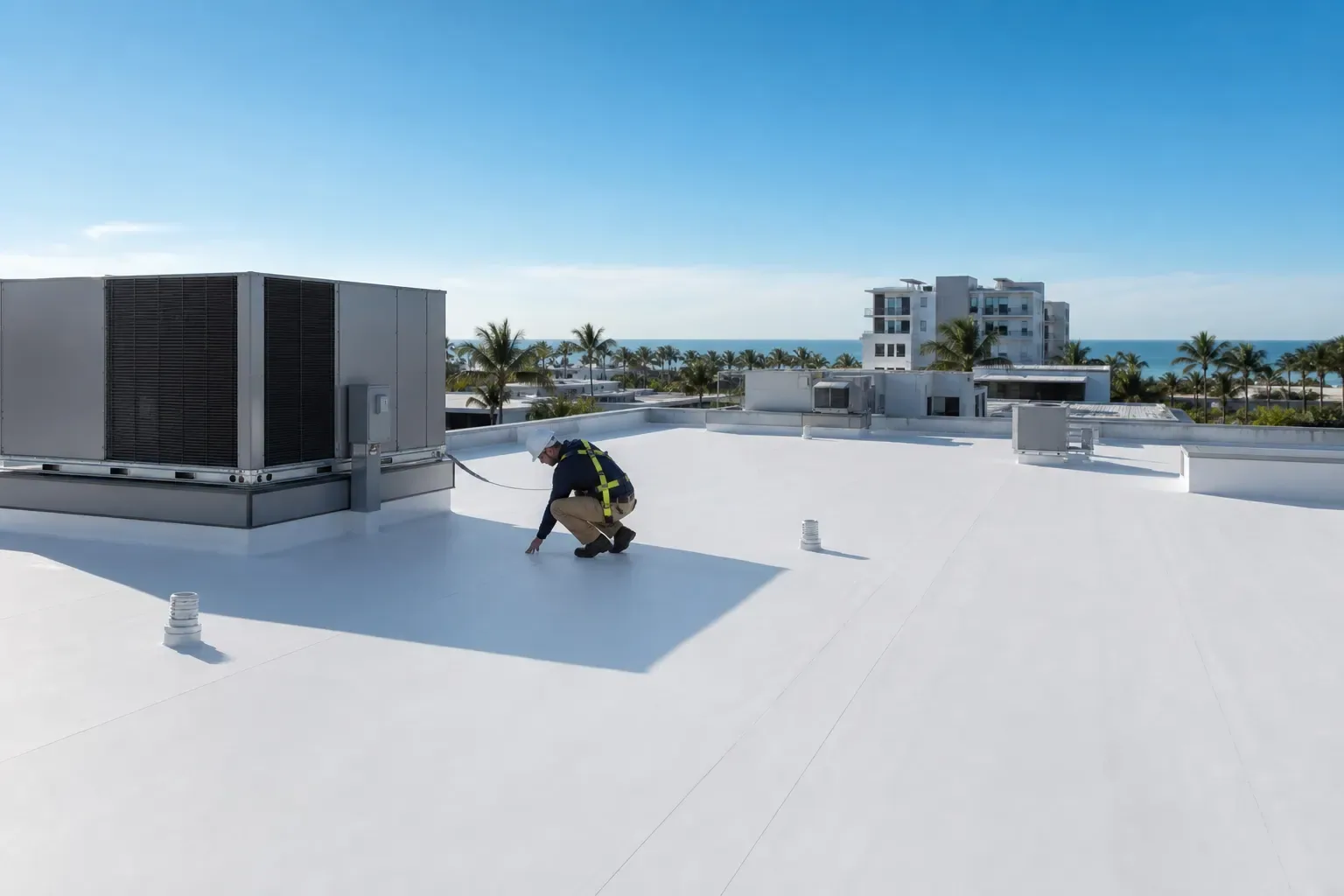
Carlisle SynTec Commercial Roofing
See how we handle it
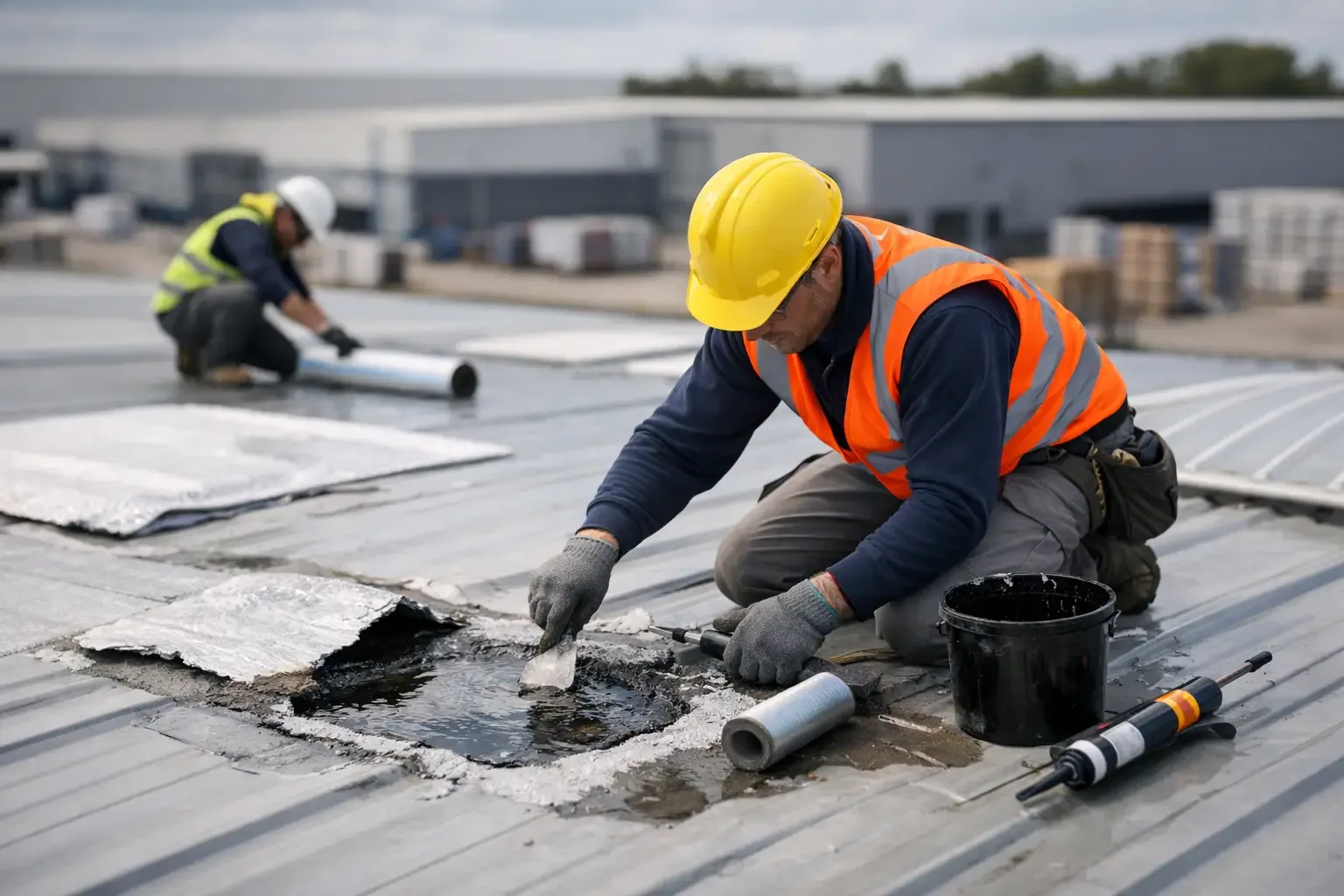
Commercial Roof Leak Repair
Scope, sequence and repair notes
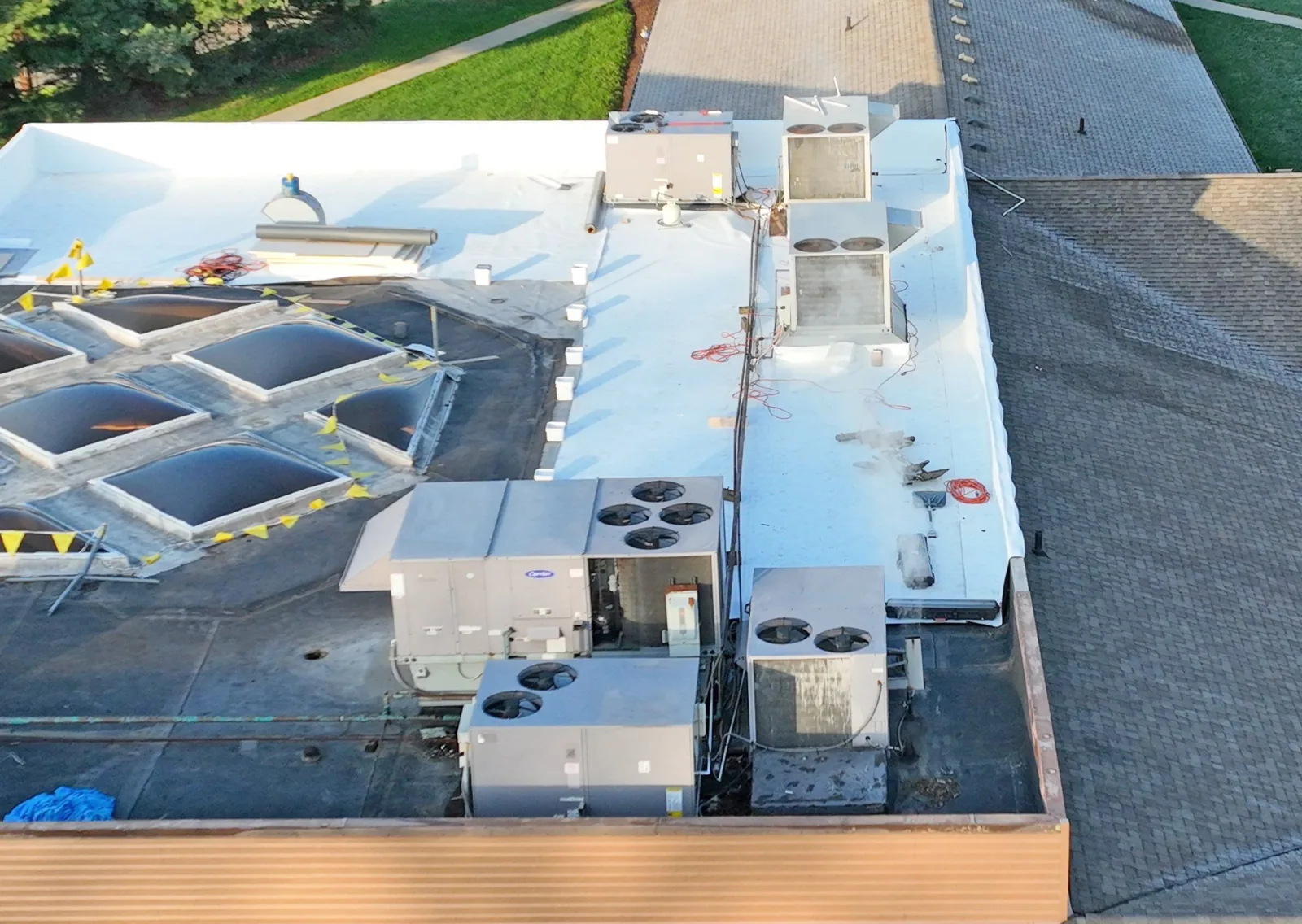
Johns Manville Commercial Roofing
Read the full page
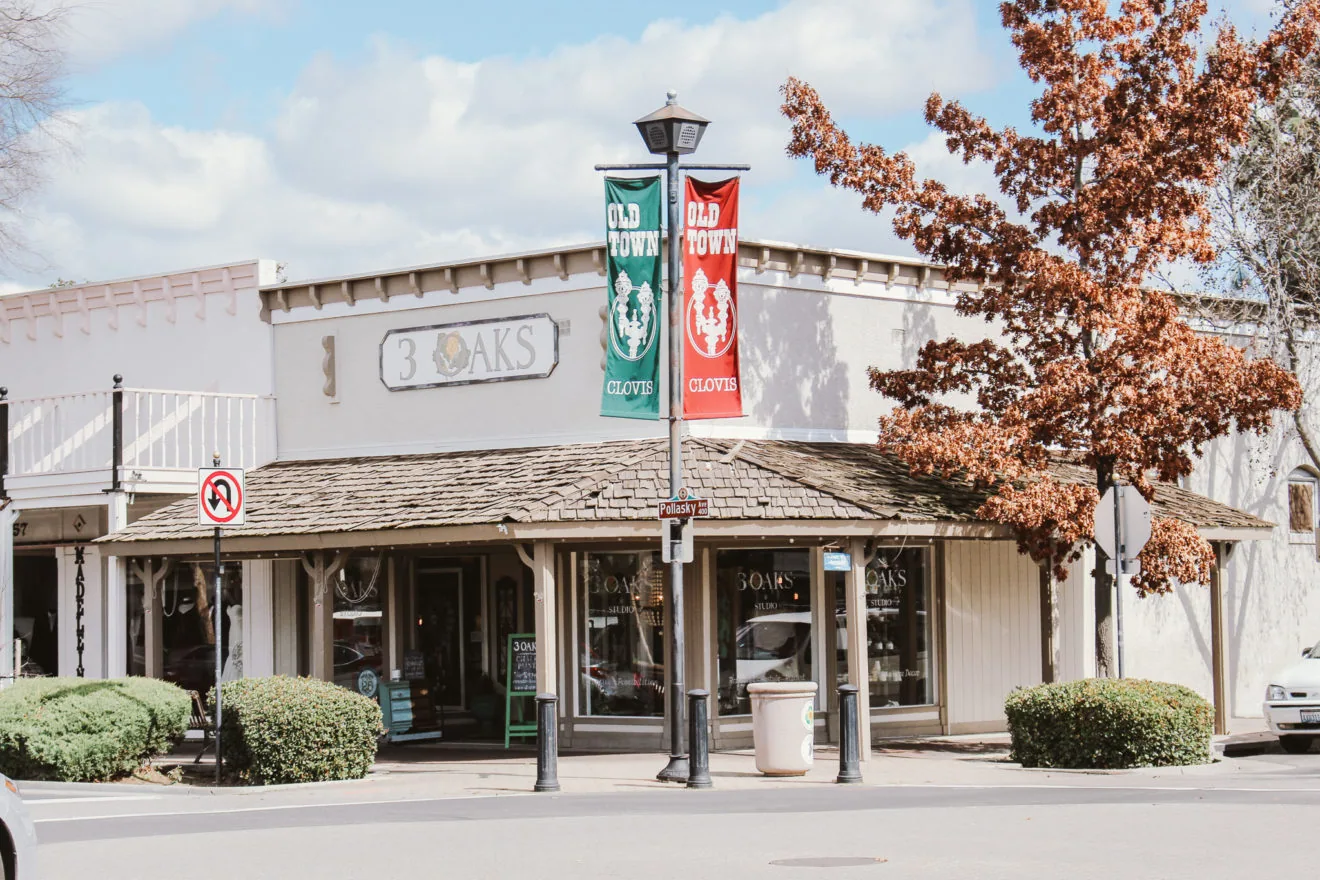
Clovis
See how we handle it
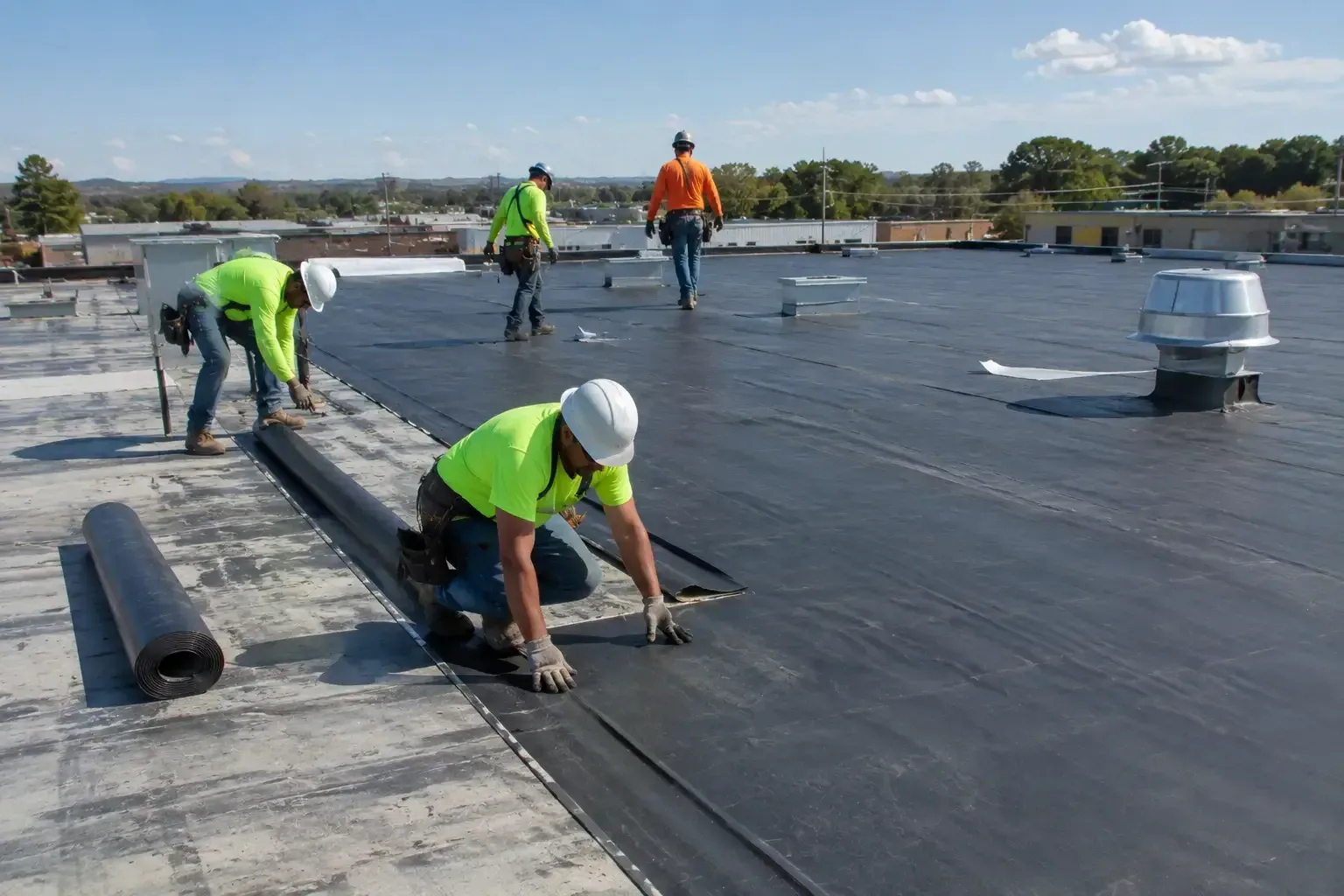
Occupied Building Reroofing
Scope, sequence and repair notes