
SOPREMA Commercial Roofing in Clovis, CA
Roofing Manufacturers
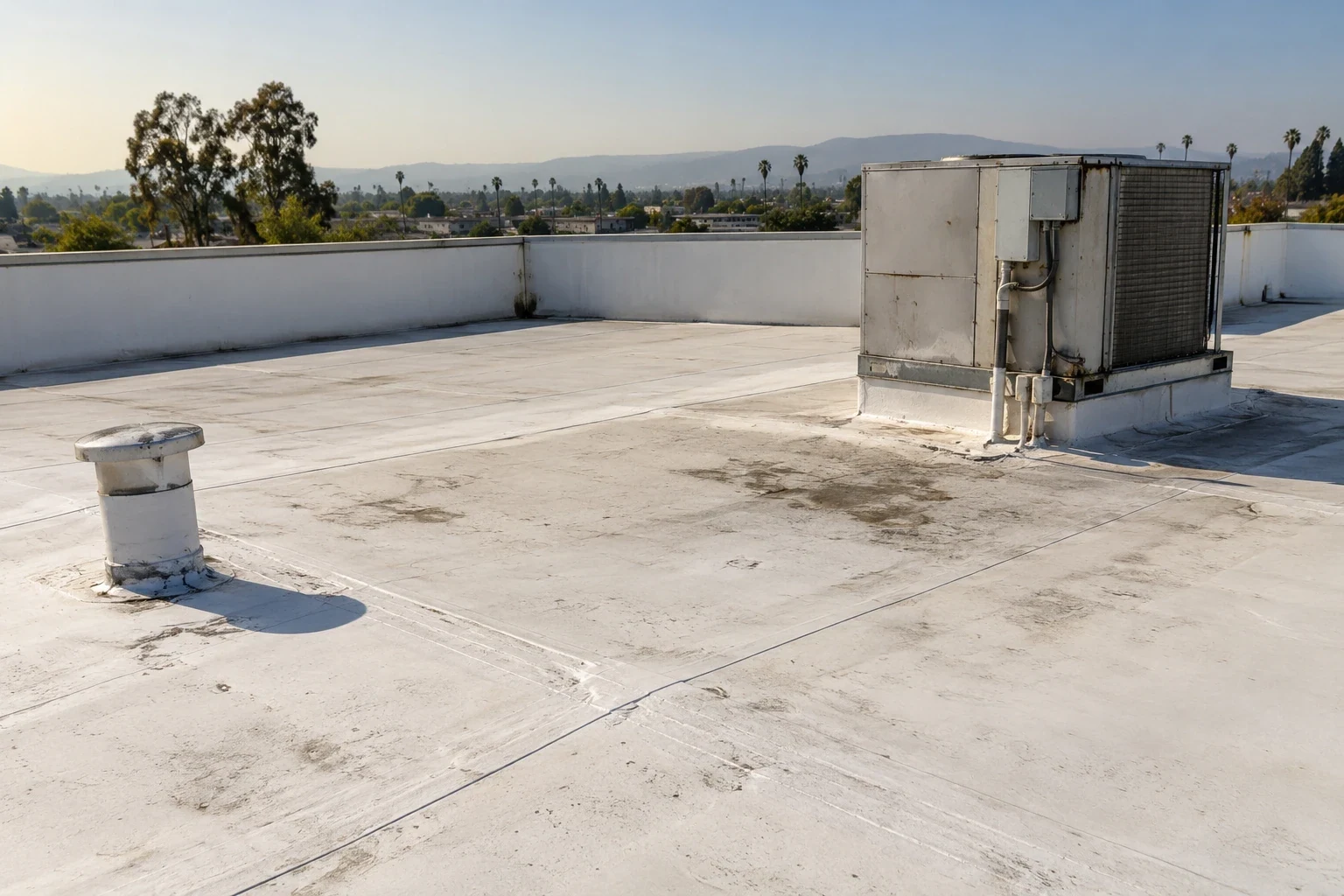
A blister that starts taking water near a pipe after winter rain could leave a Clovis, CA owner unsure whether the SOPREMA roof needs a patch or a rebuilt transition. A raised area may involve trapped moisture, adhesion or damage between layers, and opening it without a closure plan can expose more of the roof. SOPREMA identifies SBS modified bitumen, liquid-applied PMMA or PMA products and PVC single-ply products. We identify the actual materials at the defect before deciding how those layers can be investigated and repaired.
Emergency response is available overnight, on holidays and through weekends. Tell us which room is affected and whether the blister or pipe detail has received earlier work. We assess safe roof access, coordinate interior precautions and explain any feasible temporary protection. The permanent correction follows the condition of the covering, adjoining detail and supporting material, rather than the raised surface alone.
The raised layer and the pipe
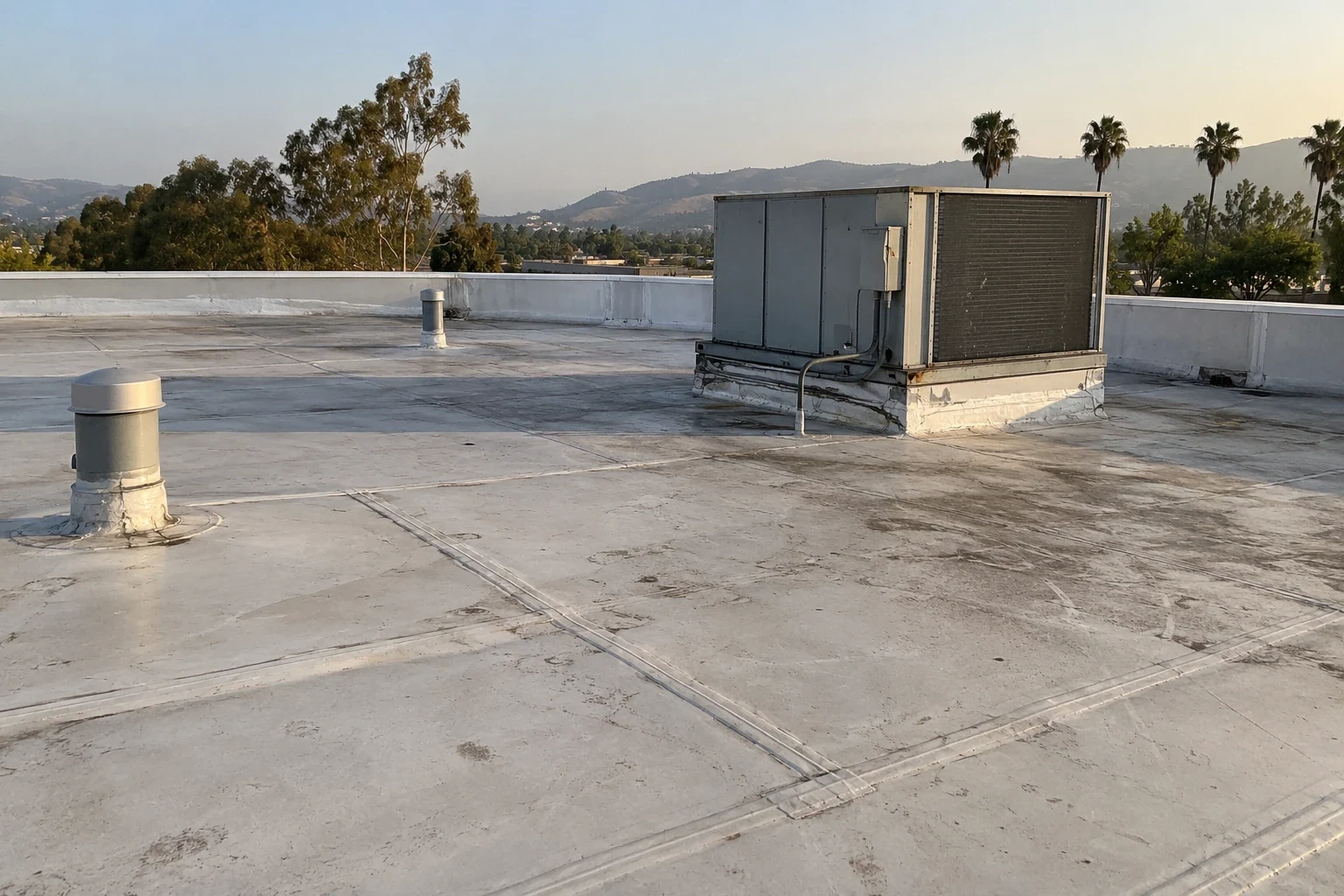
A blister beside a penetration presents two related investigations. We examine the raised area for an opening and assess the pipe transition for separation or movement. The water path may pass through one of those locations without proving the other caused it. An earlier patch can bridge both areas while concealing the junction that now needs repair. We document accessible conditions before selecting where a controlled opening would provide useful information.
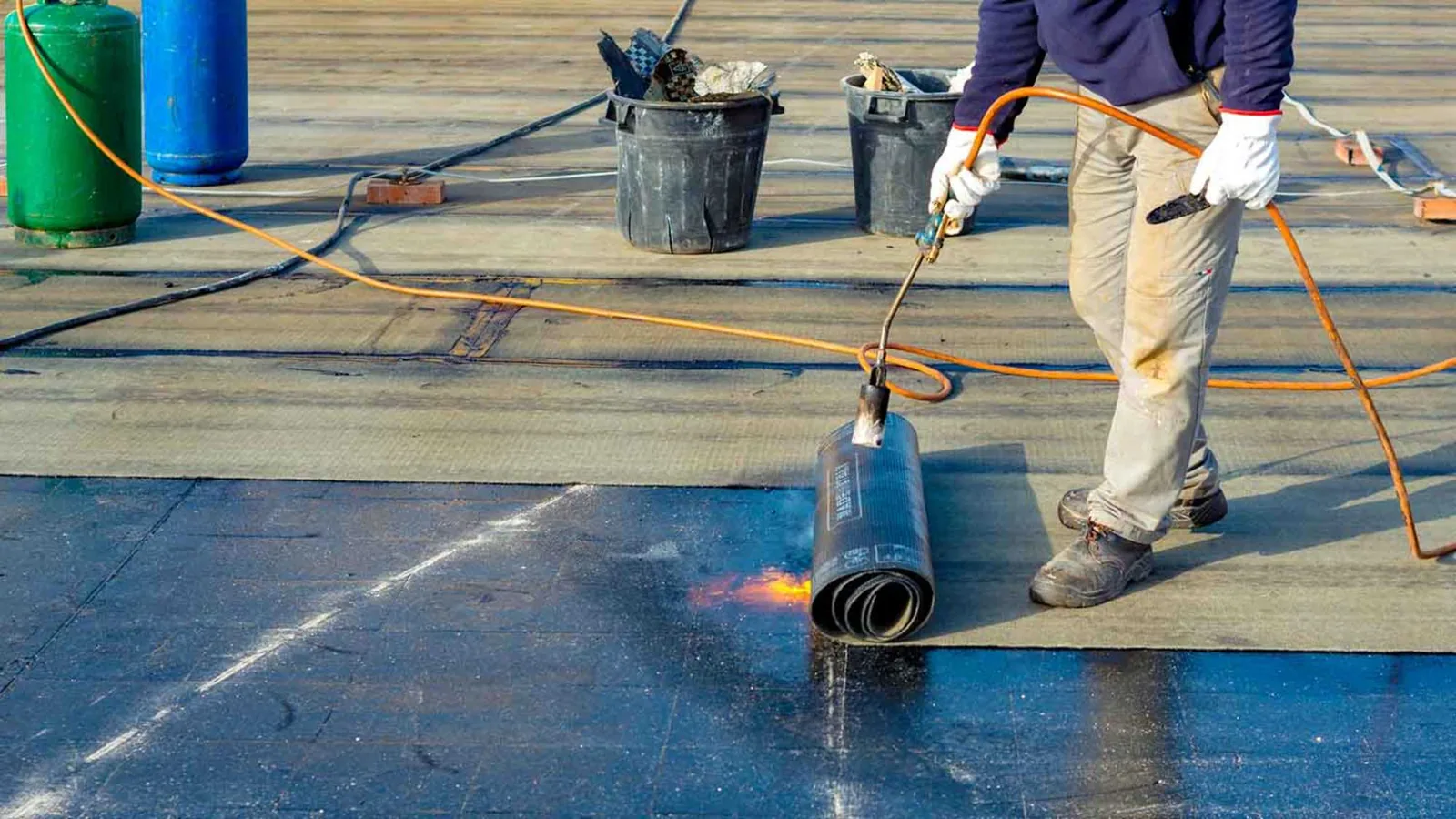
For a modified bitumen covering, the layer construction and repair method matter. Liquid-applied details need their own identified system and preparation requirements. An owner comparing GAF layered roof options with SOPREMA should consider the complete assembly and its transitions. A material family cannot establish how an existing pipe detail was built, whether its substrate remains sound or which product can receive the permanent repair.
Controlled exposure during the response
Water beneath a blister can make immediate cutting tempting, but the opening needs a safe investigation and closure sequence. We assess the material, the location of the indoor damage and the available conditions before exposing layers. A temporary surface treatment may be feasible at an identified entry point; where it is not, the owner needs an explanation of the remaining exposure and the practical options for protecting the room.
With repair at roof penetrations, movement of the penetrating component may need correction before the roofing detail is reconstructed. We coordinate that need with the responsible building trade rather than using new membrane to restrain a loose pipe. The temporary measure and the permanent detail have different purposes. We record the boundary of each so a limited emergency closure does not become mistaken for repair of the raised layer or the support beneath it.
The substrate for a permanent transition
A liquid-applied repair requires more than a surface that appears clean. The identified system governs compatibility and preparation, while the actual substrate must be assessed for damage and moisture. We examine the junction between the field and penetration, including previous coatings or sealants that could affect the receiving area. Specific mixing, application or curing requirements come from the selected product instructions; they cannot be inferred from the manufacturer name or a broad product family.
For Sika Sarnafil PVC alternatives in a larger replacement comparison, the same principle applies to the intended assembly. We describe removal, support and transition work before treating a material change as the solution. Localized reconstruction may be sufficient where firm, serviceable layers surround the defect. Broader moisture or repeated failures can enlarge the boundary. The owner should see that finding explained independently of any preference for a layered, liquid-applied or single-ply system.
Seasonal conditions at layered details
The Fresno heat record gives July 2024 a 90-degree monthly mean, relevant regional context when we assess exposed layered details. Regional heat gives context for examining exposed roof materials, but it cannot diagnose moisture inside a particular blister. We assess actual condition and use suitable investigation when concealed layers matter to the repair. A raised area may require attention without requiring the same treatment as an open split; the inspection establishes that distinction before removal is proposed.
The Central Valley's winter tule fog begins developing after sunset and may reach its greatest thickness ahead of dawn. For a property in Clovis, morning dampness can affect preparation at the pipe base and surrounding field. We examine the receiving surfaces and the intended product requirements before application. Shaded transitions may remain unsuitable after an exposed area changes condition. The sequence includes a protected stopping point if investigation can proceed but the permanent detail cannot be completed during the same visit.
Room protection during layered removal
A Soprema detail above occupied space calls for a closure plan that protects the interior while the assembly is prepared and repaired. In Clovis’s Herndon medical district, room access and operational restrictions are set by each facility. Confirm the roof layers and the selected system instructions at the subject building, then coordinate the opening with the authorized contact. Document any condition that cannot be verified without a larger investigation.
For a written account of the layered roof condition, we distinguish visible observations from confirmed concealed damage. The completed detail, retained layers and remaining uncertainties appear together with photographs. The owner then knows whether a blister was investigated, removed or merely protected during the response. That continuity matters when another rain brings a new symptom, because the follow-up visit can compare the new damage with the actual boundary of the previous work.
A Soprema system scope should identify the specified layers and detail requirements relevant to the roof being repaired or restored. Check what is already installed, how the affected area terminates and whether adjacent materials are compatible with the proposed work. If the project uses multiple products, follow their current sequencing and curing instructions rather than relying on appearance alone. Keep changes from the approved assembly visible for review before concealment. The owner’s closeout file should state the components installed, locations treated and remaining items, while any warranty determination follows the issuer’s own review.
Commercial Roofing Questions
Should a blister be cut open as soon as it is found?
The planned closure controls that decision. Opening material can provide useful evidence, but it also exposes the assembly. We assess access, conditions and compatible repair options before selecting an investigation area, particularly over a room that cannot tolerate water.
Can liquid-applied material repair any SOPREMA roof detail?
The identified product and receiving surface govern suitability. SOPREMA has several product families, and their presence in a catalog does not establish compatibility at an unknown transition. We determine the actual covering and substrate before selecting the permanent treatment.
Does a blister prove that insulation is wet?
Concealed condition needs confirmation. The raised shape may have more than one explanation, and it does not establish the moisture boundary below. We examine the surface and investigate selected locations when that information is necessary to define the work.
Why correct a loose pipe before rebuilding its flashing?
Component movement affects the repaired junction. New roofing cannot substitute for suitable pipe support. We coordinate the support correction and flashing work so the permanent transition is not immediately asked to accommodate the same uncontrolled movement.
Can permanent application follow investigation that morning?
Surface readiness and product requirements set the sequence. Suitable conditions may allow both tasks, while dampness or newly exposed damage may require another stage. We explain the stopping point and how the roof opening will be protected between visits.
Describe the blister and nearby penetration
Call with the affected room, the raised area and any earlier treatment around the pipe. We assess immediate exposure and safe investigation, then explain the layer and substrate work needed for a permanent repair.
Related Pages
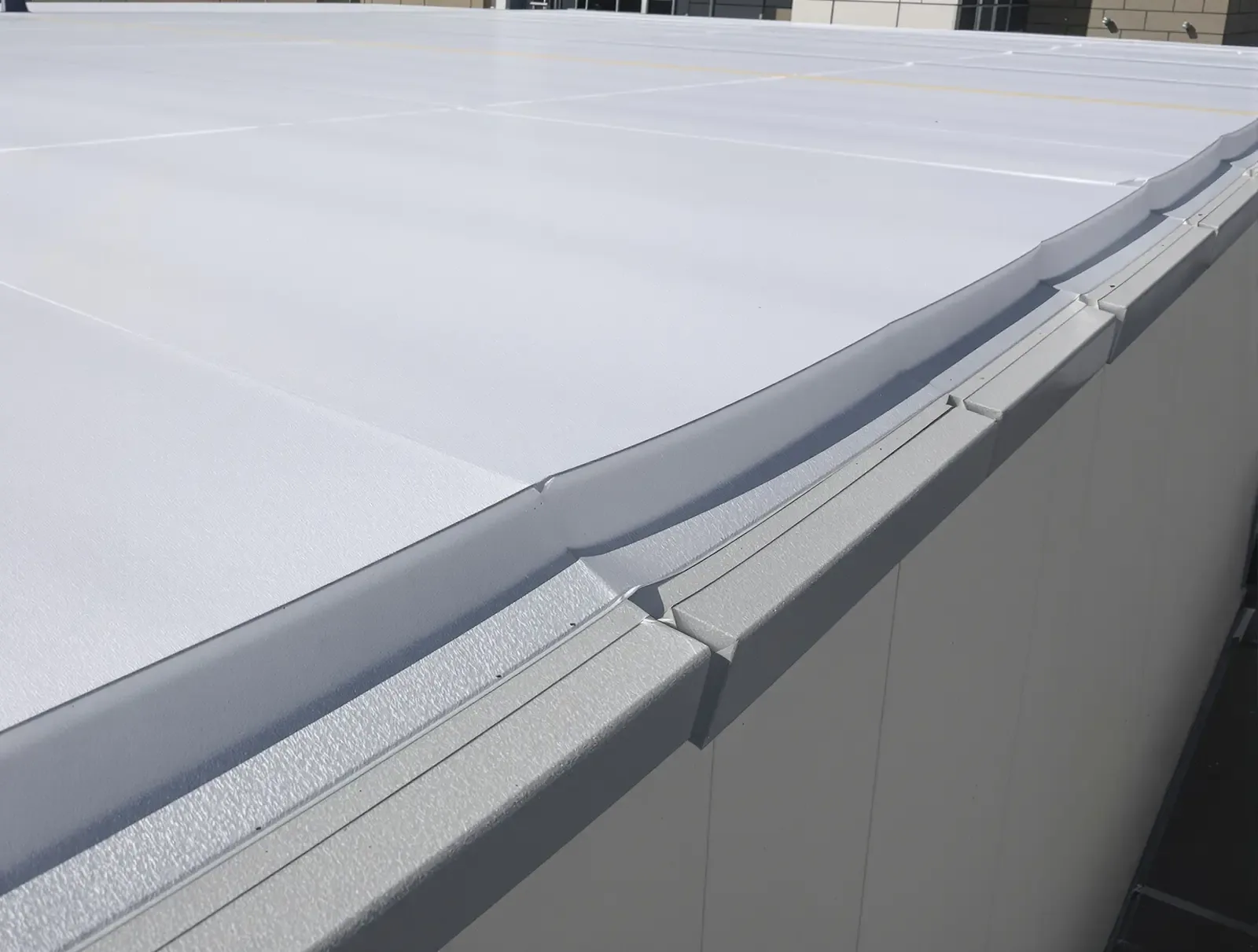
Modified-Bitumen Roof Repairs in Clovis at Laps and Blisters
Read the full page
GAF Commercial Roofing
See how we handle it
Skylight and Penetration Flashing
Scope, sequence and repair notes
Sika Sarnafil Commercial Roofing
Read the full page
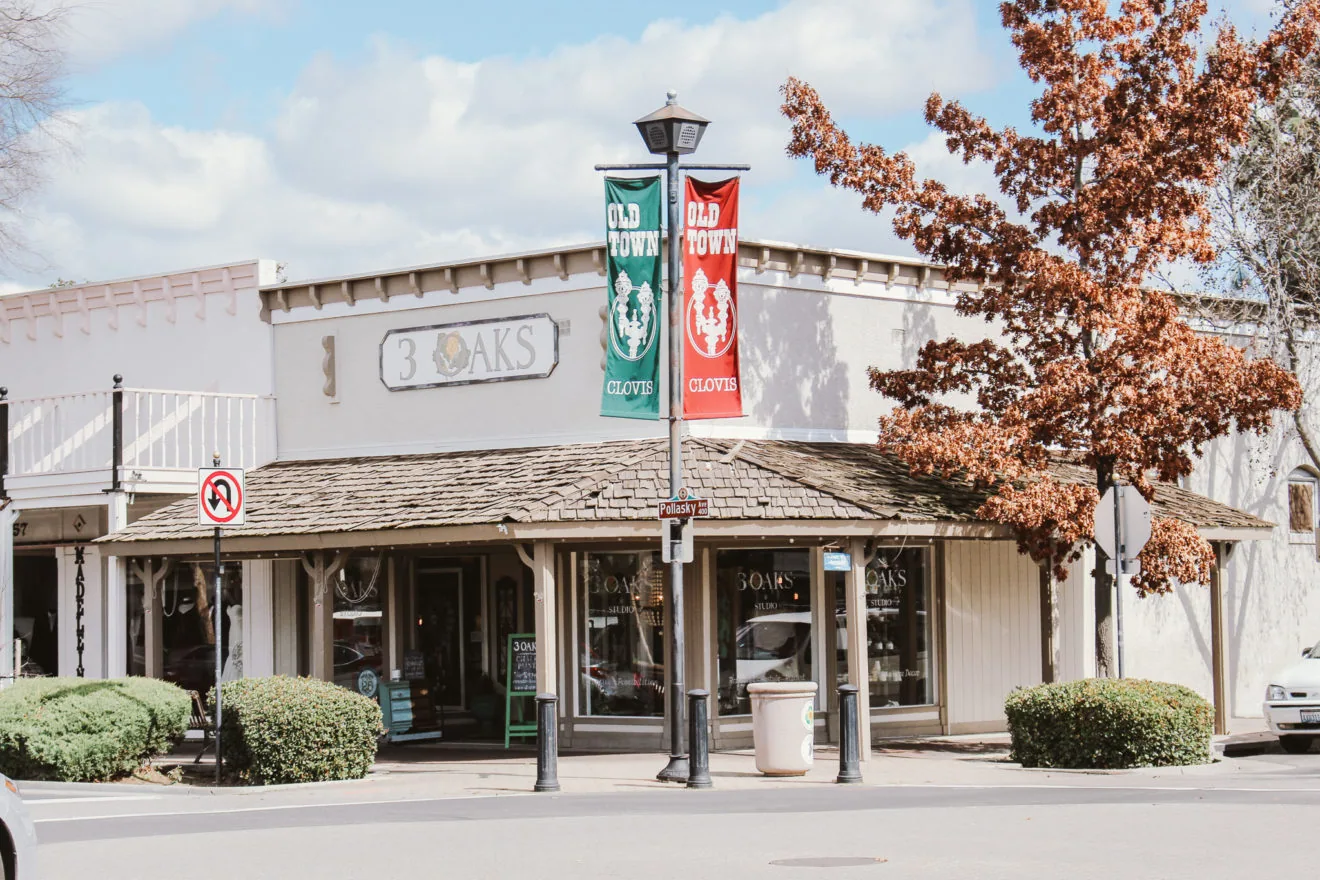
Clovis
See how we handle it
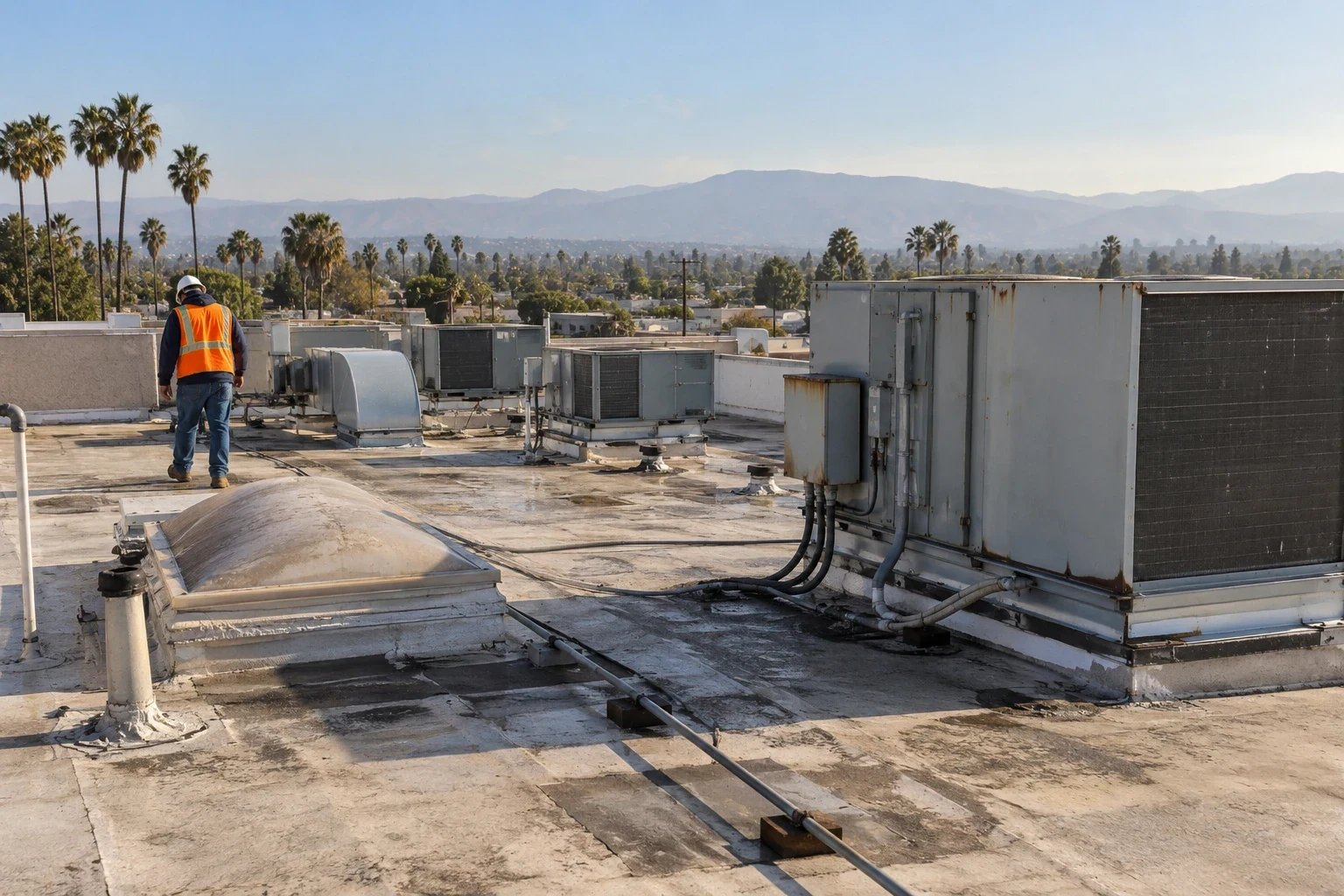
Roof Condition Records and Repair Planning
Scope, sequence and repair notes