Auto Dealership Roofing in Clovis, CA
Property Types We Roof
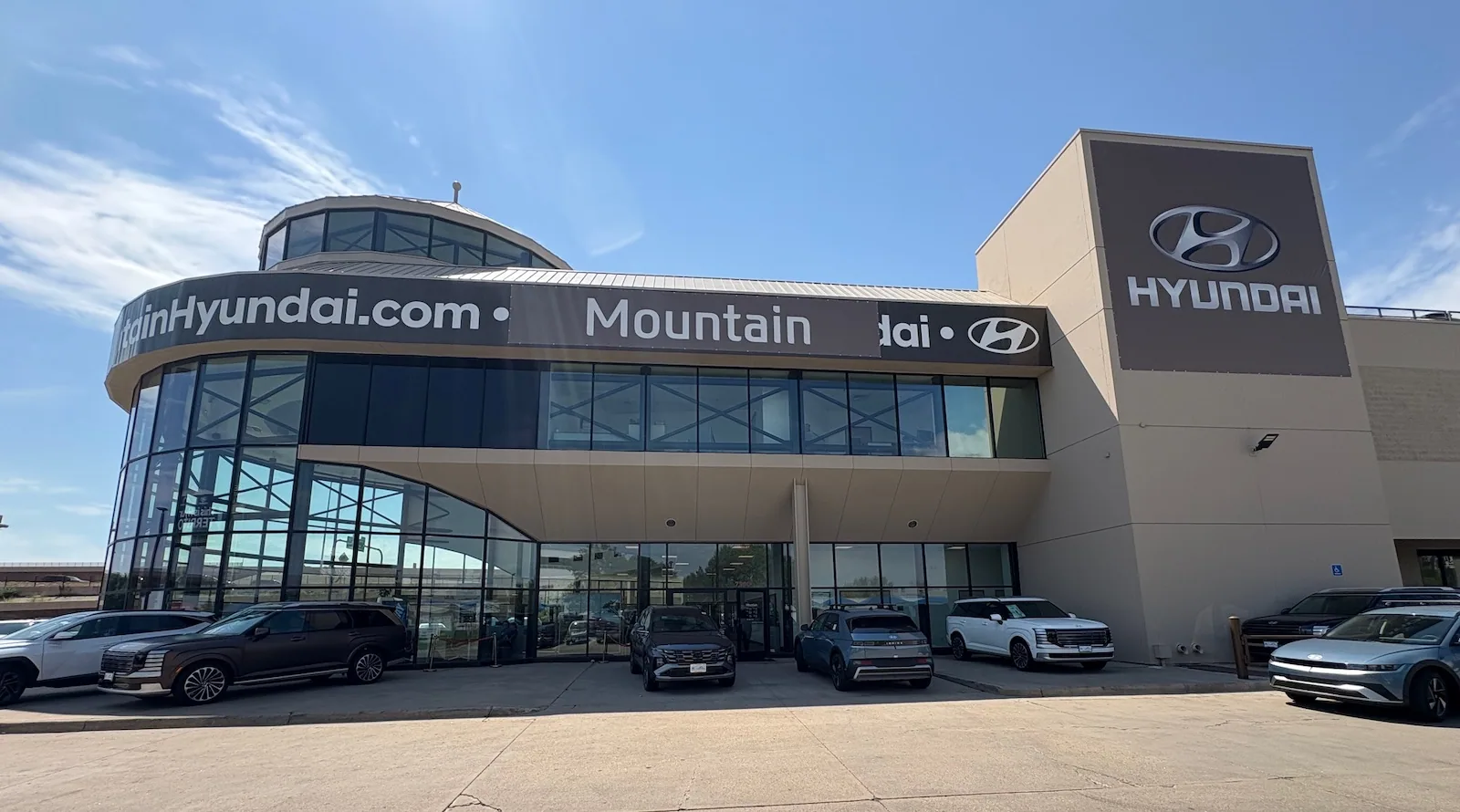
A drip beside a vehicle display after winter rain can send dealership staff moving inventory before the roof entry is located. Auto dealership roofing in Clovis, CA, begins with the affected showroom or service space, the active water path and permission to reach the roof. We investigate the connection above the complaint and propose protection appropriate to the observed exposure, while management decides vehicle movement and customer access. The permanent repair follows the roof findings rather than the urgency of reopening a display area.
Clovis dealerships operate amid the Shaw Avenue commercial corridor, where customer parking and vehicle deliveries can affect staging. A showroom and service shop may occupy separate structures, so assess the requested roof and its access needs individually. Roof materials, penetrations and drainage are confirmed at that property before the repair is extended beyond the reported entry.
Display areas and customer routes
Water above vehicles can damage finishes or create a floor hazard before the roof task begins. We describe the overhead exposure and proposed protection to management, who controls vehicle relocation and barriers. A customer entrance near the material route may need a separate working period. Roof access alone does not establish permission to move equipment through the showroom or stage waste beside customer parking, and those arrangements need confirmation before removal creates an open area.
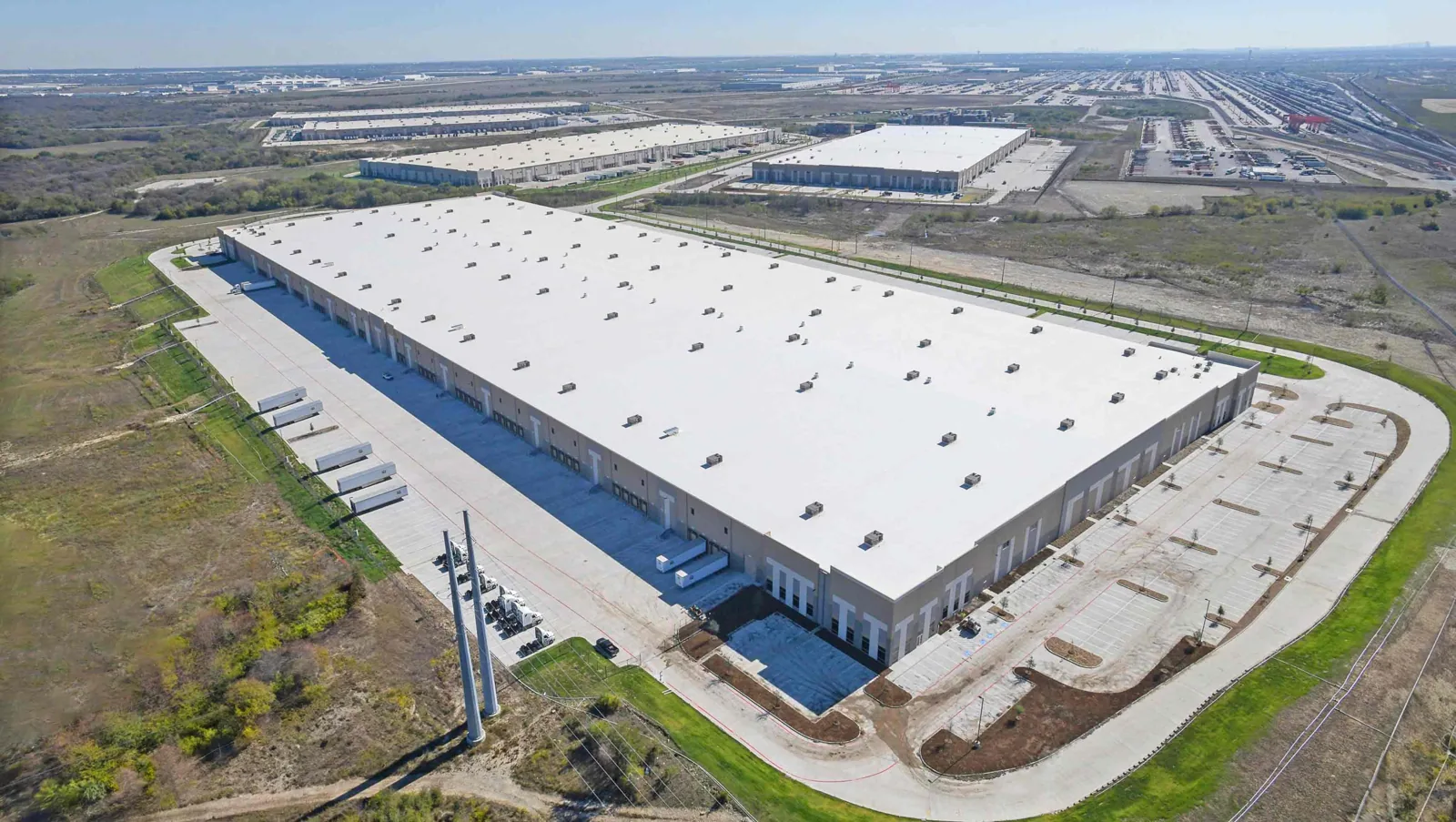
The access decisions for large retail display spaces differ from those for inventory storage buildings. A dealership can contain both kinds of use without having one uniform roofing task. We identify the released space beneath each work zone and keep its daily closure separate from adjoining areas. That lets management plan vehicle and customer circulation using the actual exposure rather than a general statement that business can continue.
For a dealership along Blackstone Avenue Commercial Corridor, protect vehicle display and service areas below the roof zone before staging a repair. A separate Shaw Avenue property may have different entrances, inventory movement and roof access, so its work window and interior protection plan must be confirmed independently.
Service equipment and roof penetrations
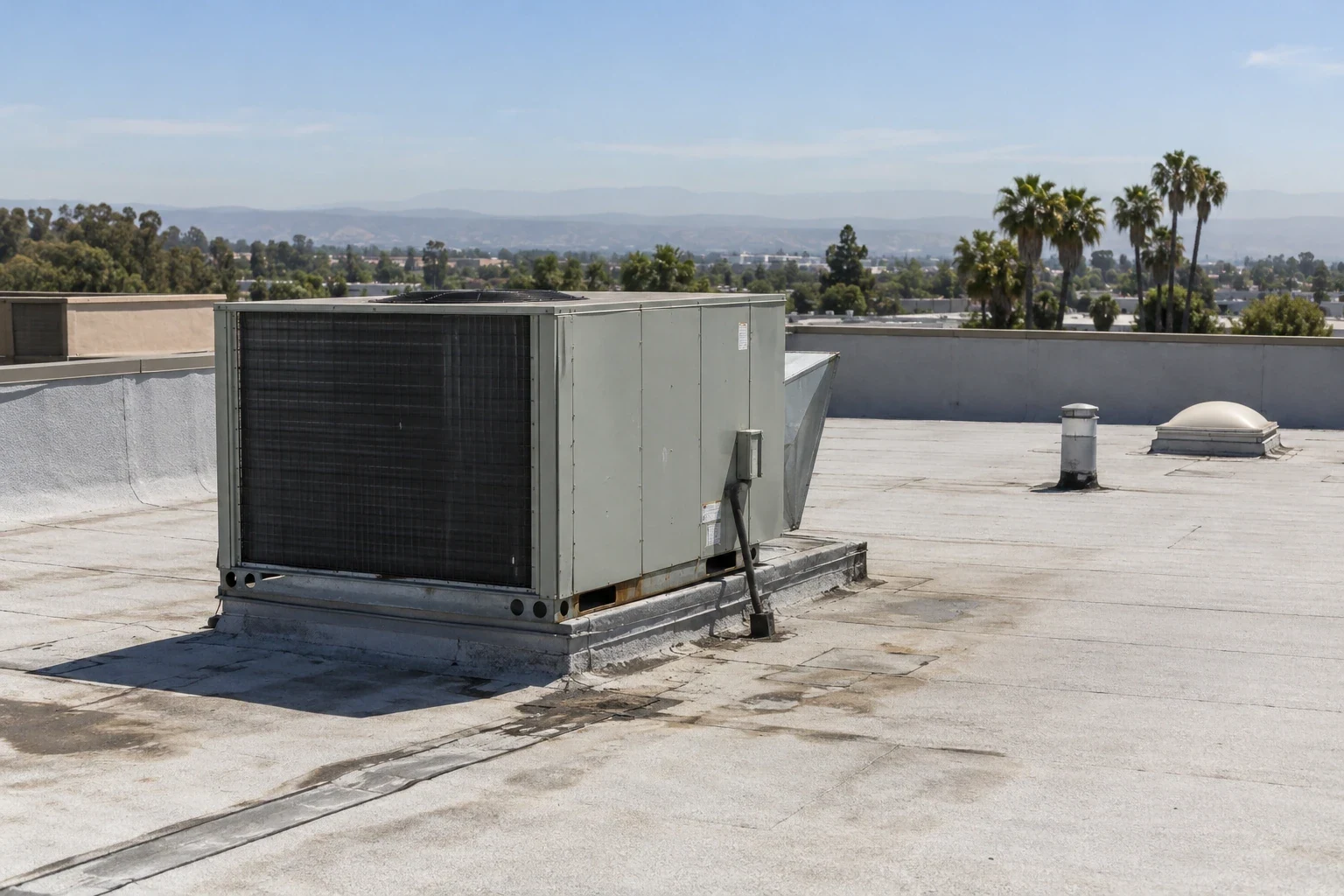
A leak near rooftop equipment can involve curb flashing, a nearby membrane seam or water discharged by the equipment. We trace the evidence without assigning every wet area to condensate. Mechanical personnel address equipment operation and discharge problems; roofing addresses the membrane and curb connection within the authorized scope. A repair that seals an opening while leaving a recurring water source against it may continue to stress the surrounding roof even after the interior symptom improves.
For roof curb and equipment support repairs, the existing attachment and supporting construction matter as much as the visible flashing. Moving equipment or altering supports can require additional coordination and review. We establish those responsibilities before proposing removal around the curb. Photographs identify the examined detail and any unresolved equipment condition, so the owner receives a practical repair boundary instead of a roofing promise about mechanical performance.
Summer movement before the rain complaint
A 90 F monthly mean and 26 days of triple-digit temperatures marked Fresno's July 2024 heat record. That regional exposure makes movement and aging at membrane joints worth examining, but cannot show that a dealership's roof failed during that month. A later rain can reveal an opening at a lap or wall transition whose surrounding attachment also needs attention. We inspect the actual connection and sound material beside it before selecting a repair that must withstand repeated movement.
With a separated membrane seam, compatibility and preparation determine the permanent detail. A damp or contaminated surface may not receive the intended bond, and temporary sealant can interfere with later work if it is not properly addressed. We record the protective material and its limits, then explain the preparation needed for permanent closure. That sequence prevents an urgent showroom response from leaving an unidentified patch beneath the next repair.
Service bay releases and roof closure
A service bay may have vehicles on lifts, scheduled appointments and equipment that cannot simply be pushed aside. Management defines the usable bay release and the conditions beneath the proposed removal area. We match that release to the roof work, including waste movement, protection and daily tie-in time. A short interruption can support a localized detail while a wider replacement needs a separate plan for the roof exposure and interior activity.
For reroofing above active dealership spaces, the work zone must be small enough to close reliably within the authorized period. Delivery delays or discovered wet layers can affect that period, so the scope explains the investigation allowance and closure response. An assignment in Shaw Avenue corridor still requires the property's own access approval. A familiar commercial corridor cannot substitute for the dealership's actual operating constraints.
Retained insulation and scope differences
Wet insulation beneath an apparently intact membrane can change a repair into a removal task. We determine the confirmation needed and explain whether the proposed base can be retained. Recover, restoration and replacement have different requirements; they are not interchangeable answers to a ceiling drip. Weak attachment or recurring failures across multiple connections may support broader work, while a limited dry opening can justify focused repair. Each recommendation should name the finding that makes the difference.
The completed work record identifies repaired details and any exclusions, including mechanical concerns assigned elsewhere. After a rain, interior observations help compare the repaired location with the original complaint, but a dry ceiling alone does not establish the condition of all concealed layers. We recommend maintenance directed at actual outlets, service routes and penetrations where present. Dealership management then has a roof status it can use for scheduling, without confusing temporary loss reduction with a finished permanent assembly.
A blocked material route can delay closure even after the repair area is prepared. We confirm that the agreed unloading point and waste route remain available during the released period, then tell management about any change affecting overhead protection. This keeps the work sequence tied to the dealership's actual access rather than an assumed empty parking area.
After the roof is closed, confirm that the service drive and vehicle areas can return to normal use, then provide the facilities contact with the completed detail and any item to monitor after rain. A clear closeout prevents the repair from being treated as a full roof renewal.
Commercial Roofing Questions
Can vehicles stay beneath a small roof repair?
The overhead exposure and protection method decide that. We describe the task before management releases the display or service area. A small surface patch can have different interior consequences from removal of wet layers, so vehicle positioning is settled against the actual work.
Is condensate responsible for a leak near a rooftop unit?
We need an observed water route before assigning the cause. Equipment discharge, curb flashing and adjacent seams need separate consideration. We address the roofing connection and identify mechanical coordination where needed rather than assume the equipment caused the entry.
Does a showroom leak require reroofing the service building too?
Each assembly needs its own findings. The buildings may have different roofs and access obligations, even at one dealership address. We examine the reported exposure and extend investigation only where evidence supports a connected problem.
What affects the duration of a dealership replacement?
Daily bay releases, material handling and reliable roof closure can govern production as much as roof area. Wet insulation removal or equipment coordination adds tasks. We explain these constraints before assigning a sequence that management will use to schedule appointments.
Identify the showroom or service exposure
Tell us the building, affected display or bay, current water activity and manager who can release access. We will explain the inspection response and the protection needed before permanent work begins.
Related Pages
Large Retail Roof Leaks and Supported Removal Zones
Read the full page
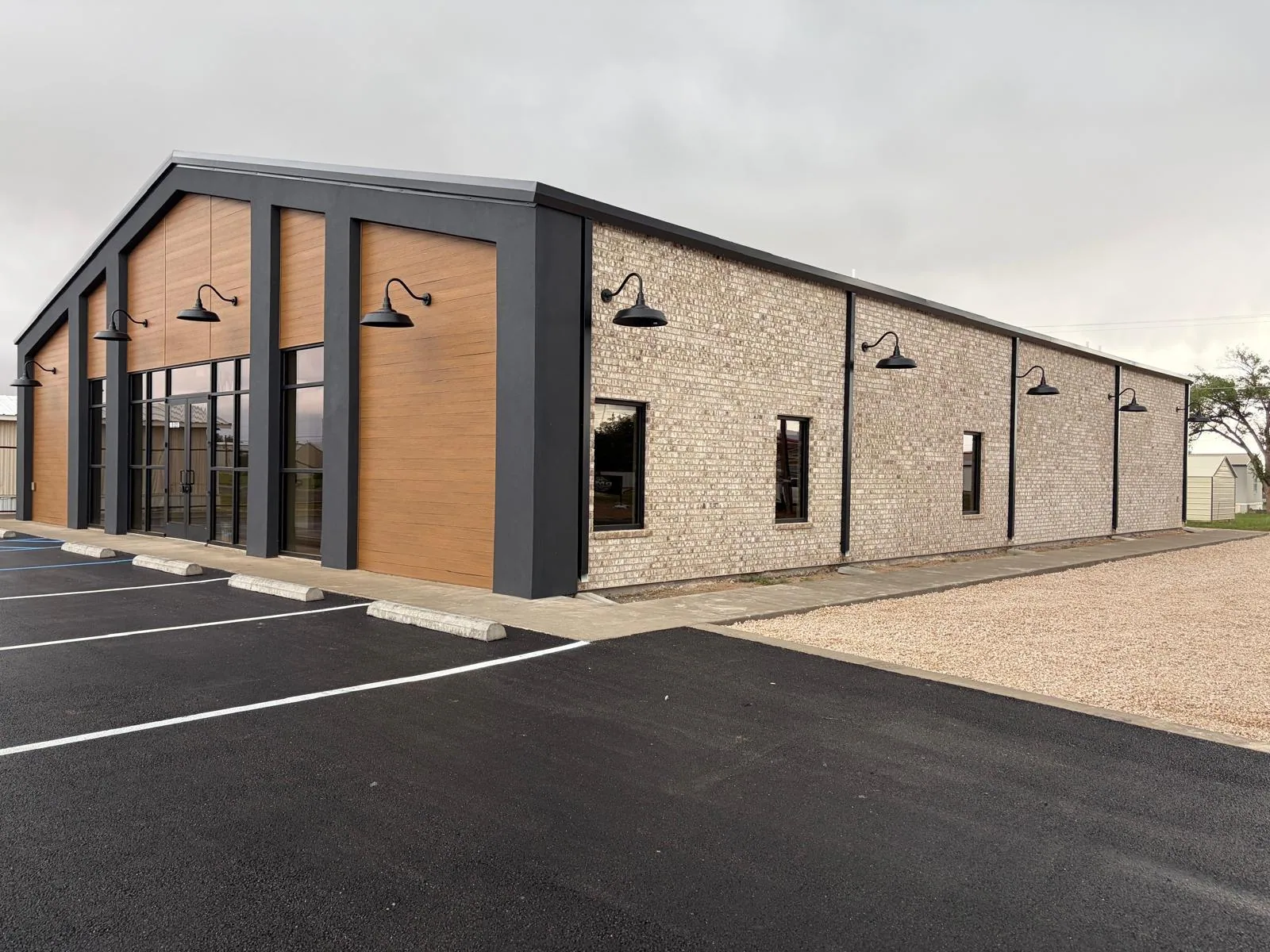
Warehouse Roof Leaks and Repair Sequencing
See how we handle it
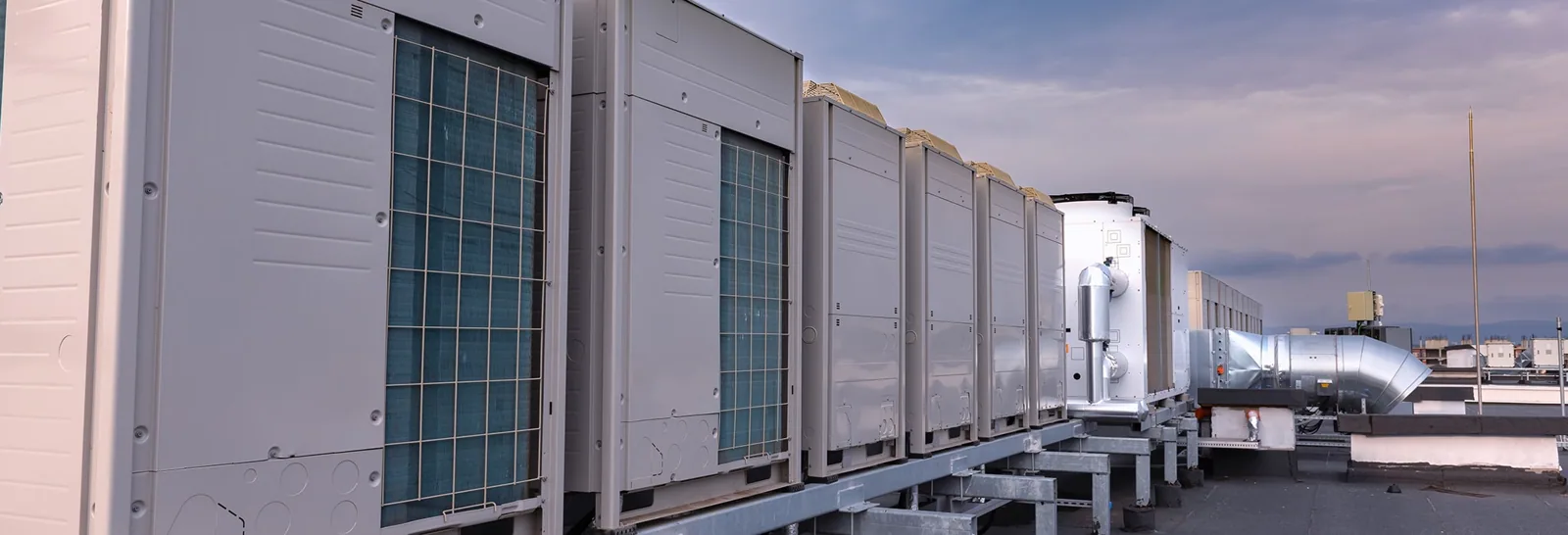
Rooftop Equipment Curbs and Supports
Scope, sequence and repair notes
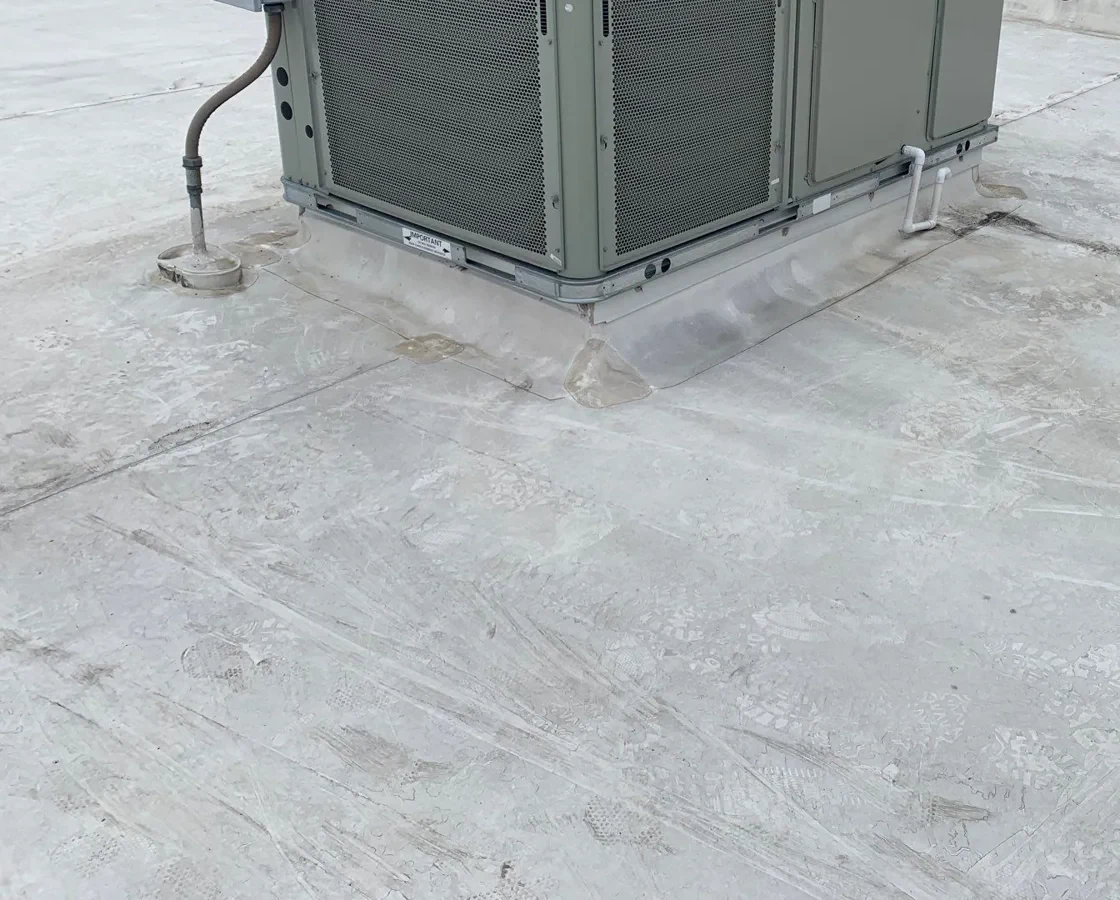
Commercial Roof Seam Corrections in Clovis After Entry
Read the full page
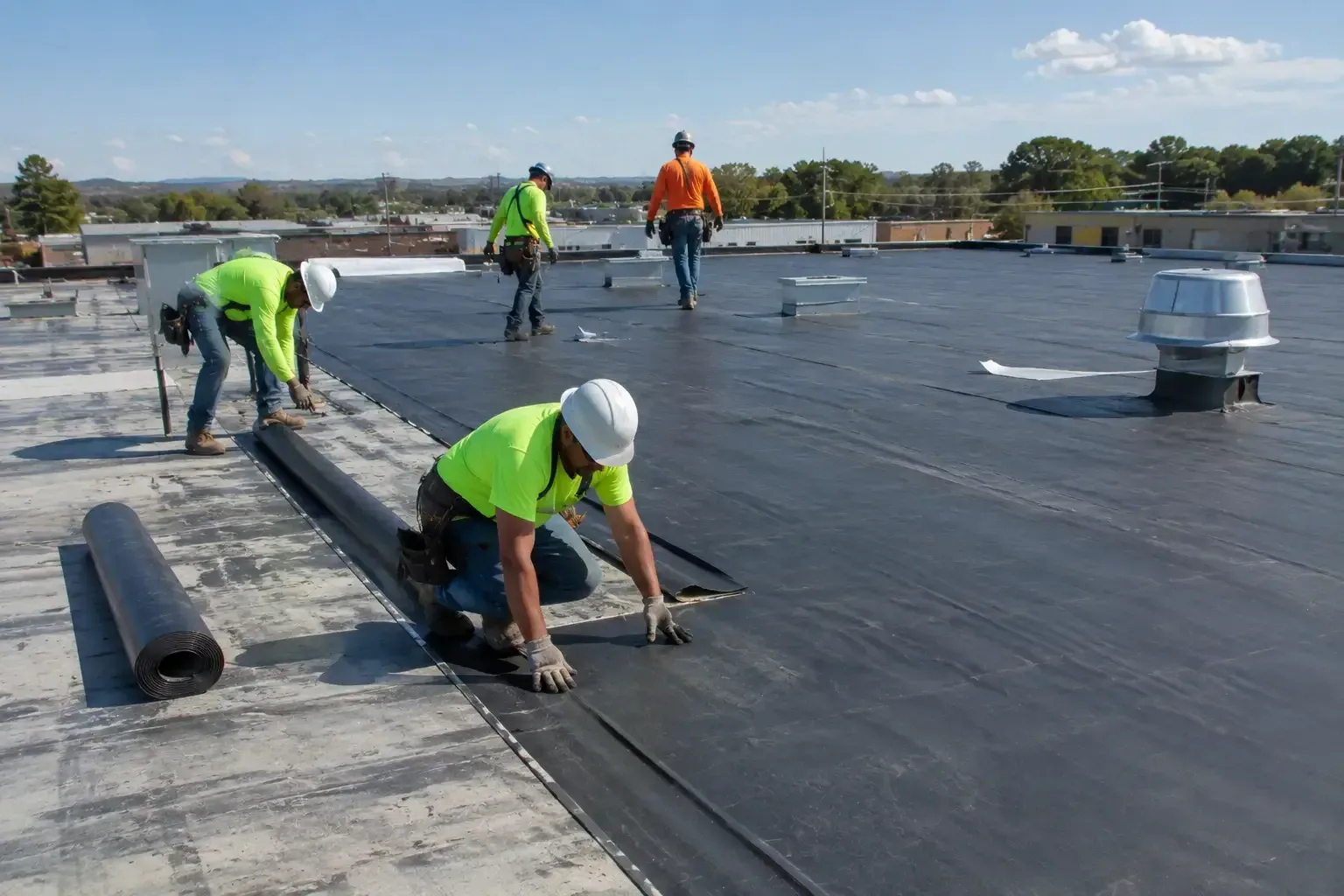
Occupied Building Reroofing
See how we handle it
Shaw Avenue Corridor
Scope, sequence and repair notes