
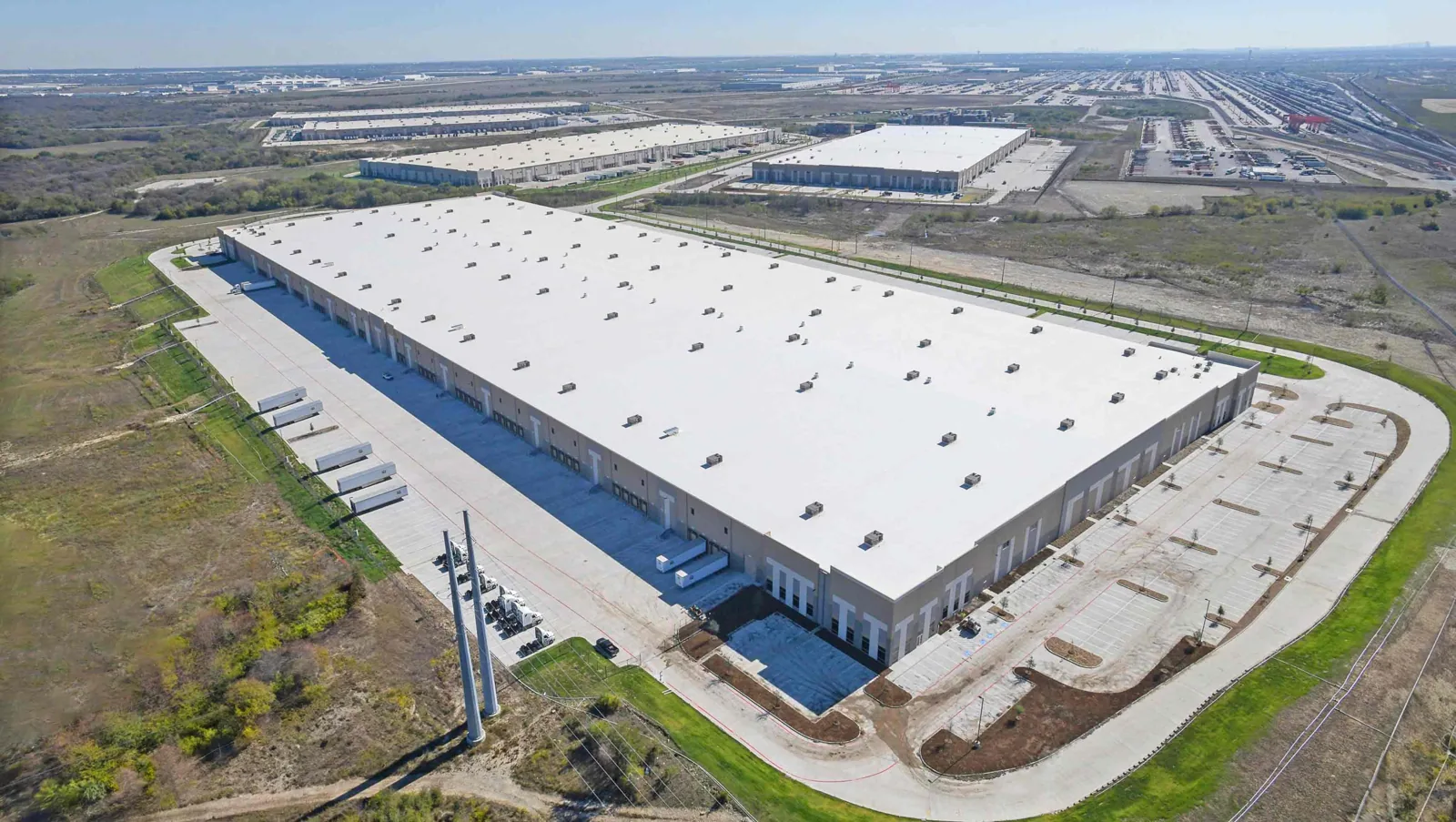
Large Retail Roof Leaks and Supported Removal Zones
Property Types We Roof
A new drip near a retail aisle during the first substantial rain can interrupt an owner's trading plan before its roof source is apparent. We establish what needs protection below, obtain the permitted roof route and trace the complaint to the connection that can be examined. Big box retail roofing in Clovis, CA, calls for a practical order of work: address the immediate exposure, confirm the receiving assembly and price a removal zone that can be reliably closed within the operator's release.
Clovis retail destinations along Shaw Avenue have different layouts and operating patterns. A large-format store may place sales aisles, receiving docks, coolers and mechanical systems beneath one roof, with each area imposing different access and protection needs. Roof dimensions, retained materials and current use must come from that property, so the owner receives a proposal based on its supported conditions rather than a presumed inventory along the shopping corridor.
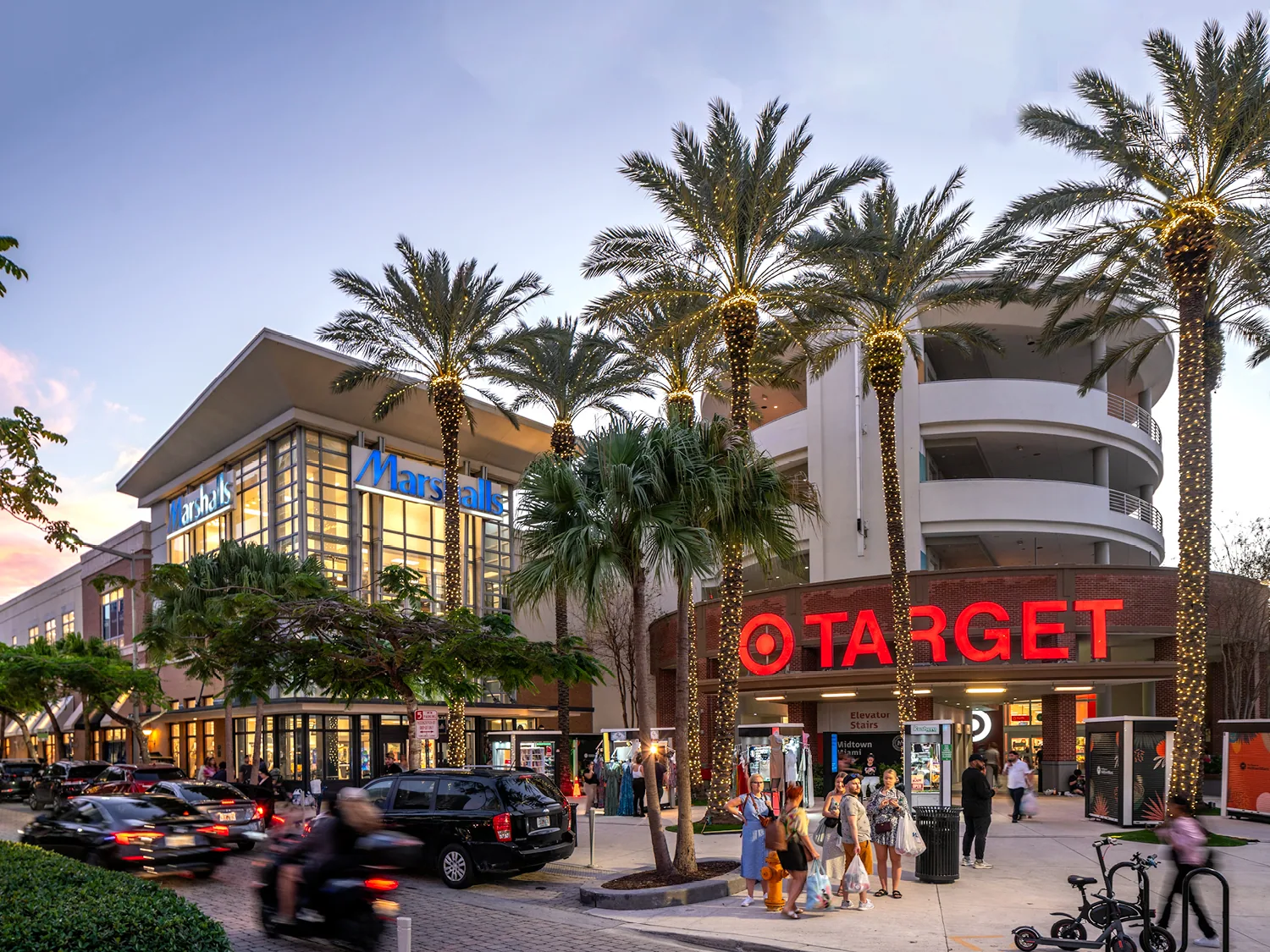
The marked complaint and roof connection
The aisle receiving water may be offset from the entry detail if water travels through concealed assembly layers or along structural components. Compare the interior report with accessible roof joints, transitions and penetrations before opening material. A visually obvious split is relevant where present, but another route may also need investigation. Mark the accessible findings and state what the examination could not reach, particularly where a protected room or restricted roof level prevents confirmation.
A large retail roof inspection should distinguish the located defect from its proposed treatment. The owner needs evidence for the work boundary and an explanation of how the repair joins the retained material. If the source is not established, select the next permitted examination rather than extend patching across every nearby feature. This keeps an urgent intervention useful while preserving the uncertainty that still affects a permanent price, especially where the room location and roof drainage path do not align.
The removal zone and trading release
A large floor plate does not establish the removal quantity that can be exposed in one working period. That quantity follows actual preparation, approved routes and a reliable closing detail. The operator identifies trading restrictions and any space that requires protection; we describe the roof opening and movement of materials for that review. Delivery access and waste handling need their own permission where they affect public or service routes beside the proposed construction.
With roof removal above an active retail building, include setup and daily closure in the sequence before setting production expectations. A narrowed release may require smaller zones or repeated mobilization. Price those obligations clearly, rather than compare a protected operation with an unrestricted installation assumption. We keep the temporary tie-in connected to the actual receiving assembly and verify it before leaving an exposed boundary, while the authorized operator retains responsibility for any trading-area or equipment release below.
Large-format stores near the Shaw Avenue Commercial Corridor can have long roof runs, multiple rooftop units and receiving activity at different elevations. The owner should identify which dock and sales areas remain active; a Blackstone Avenue store receives its own inspection map rather than inheriting another site’s repair boundary.
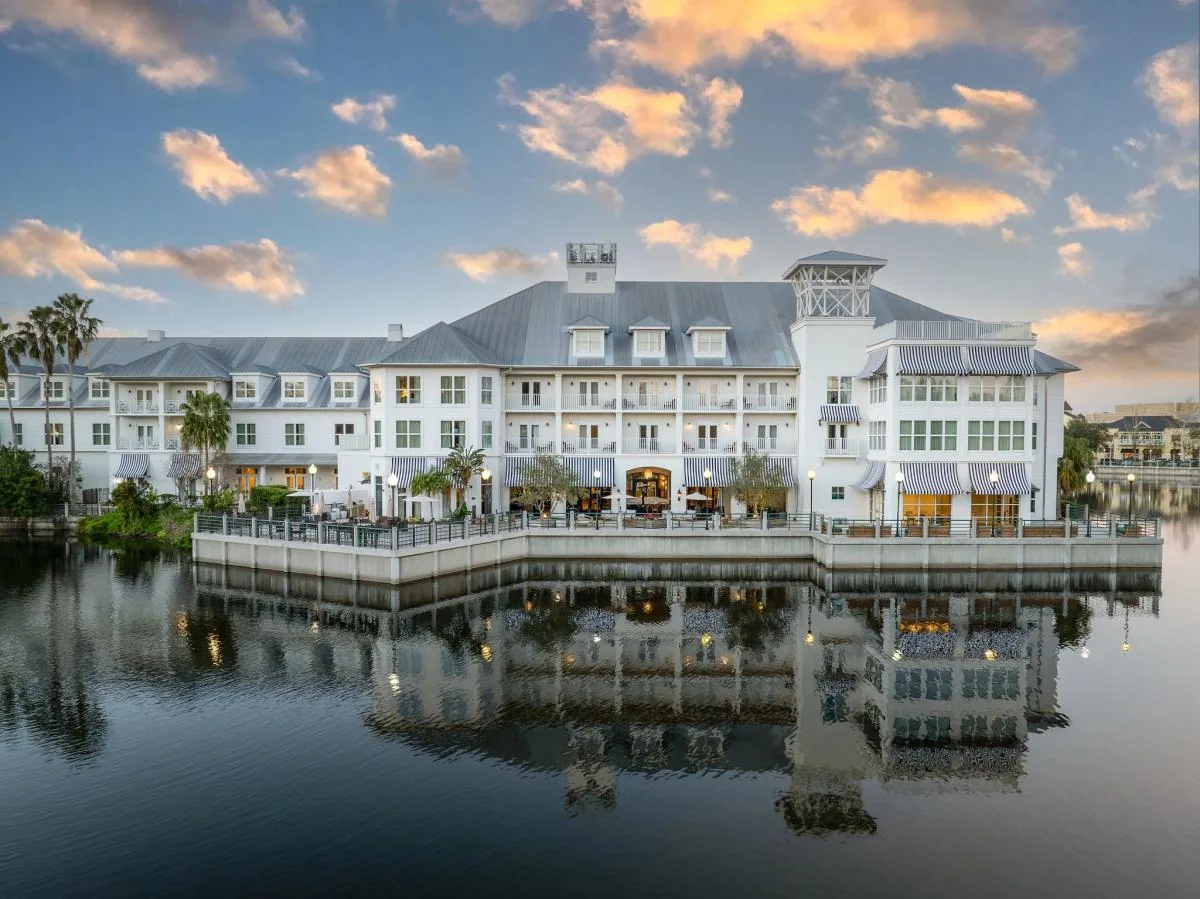
The retained layer and concealed extent
A surface repair can meet insulation or cover board whose condition changes the permanent detail. Where that condition matters, obtain an authorized investigation and define how its opening will be closed. Thermal patterns may guide confirmation under suitable conditions but do not establish every layer or a whole-building removal extent. A sample can support its identified location; the wider boundary requires appropriate evidence connecting it to the proposed zone and retained construction.
For retail roof receiving-layer work, the price should distinguish removal, preparation and installation instead of relying only on finished membrane area. Material compatibility and attachment need confirmation against the actual assembly and selected system. State how additional concealed findings will be recorded, measured and approved. This gives the owner control over expansion without treating every unknown as acceptable retained material or turning a limited observation into a predetermined replacement quantity that exceeds the examined area.
The separate retail uses and access duties
A center owner may coordinate work with adjacent properties, but common scheduling does not establish common roof construction or permission. A tenant's interior operating requirements should be checked at the building under review. If a roof opening affects a service entrance or enclosed receiving space, the responsible operator must define its release. We align that release with the planned exposure and closing method before a crew commits to removal that cannot fit the approved conditions.
Related shopping center leak investigations and food retail roof work can require different protection even on the same day. Their access costs and confirmed layers remain separate in the proposals. Grouping visits can reduce repeated coordination where operators allow it, but it should not obscure inaccessible areas or transfer an assumption about one building to another. A clear property-specific record lets the owner compare each repair's scope and sequence without merging their unresolved conditions.
The Valley heat and application surface
Fresno’s notable July 2024 heat provides regional context for planning roofing examinations near Clovis. It does not prove a roof temperature, a blister or membrane failure on the requested retail property. Check actual surface and work conditions, then follow the selected material's application requirements. An early start alone does not establish that preparation or installation can proceed, especially where an existing coating or retained seam needs further confirmation.
For Clovis retail roof requests, urgent attention may include a suitable temporary correction when permanent work cannot proceed under current conditions. Our response covers nights and holidays, with access, safety and the located defect controlling the intervention. Record the temporary connection and its remaining task. The owner should know whether dry preparation, another investigation or an operator release is still required before the repair can become permanent, rather than receive a completion statement based only on a protection visit.
The acceptance record and next task
The closeout review returns to the work markings and affected roof connections. Check the completed terminations, relevant outlets and any daily tie-ins retained in the finished scope. Identify where access remained limited or another building system still needs attention. The operator's trading-area release is a separate responsibility from the roof detail acceptance. Interior marks can help follow the complaint, but a dry room at one moment does not replace examination of the completed assembly connection.
Our large retail roof condition record connects the supported findings, approved quantity and work performed. Confirm applicable warranty notices and alteration requirements for the actual property and agreement. If a broader option is proposed, explain the evidence and costs supporting it alongside the defined repair. That lets the owner choose with a clear account of required work and optional improvements, while any unresolved investigation retains a named next step instead of disappearing into a general assurance that the building has been covered.
Commercial Roofing Questions
Does building size establish the daily removal zone?
The permitted exposure and reliable closing sequence are the deciding factors. Floor area cannot set the quantity that may be opened safely.
Can a single sample support full retail roof removal?
A wider boundary needs evidence connecting the sampled condition to that extent. Identify the limits before pricing replacement.
What changes cost when trading access is restricted?
Smaller working zones, repeated mobilization and protected material routes can change the sequence. Include their actual obligations in the comparison.
What remains after a temporary aisle-leak response?
Identify the permanent connection, necessary preparation and outstanding release. The next task should be recorded before temporary work is treated as complete.
The retail exposure request
Describe the aisle or room receiving water and the operator available to release examination. We assess the urgency that day and arrange appropriate protection or investigation as access and conditions permit.
Related Pages
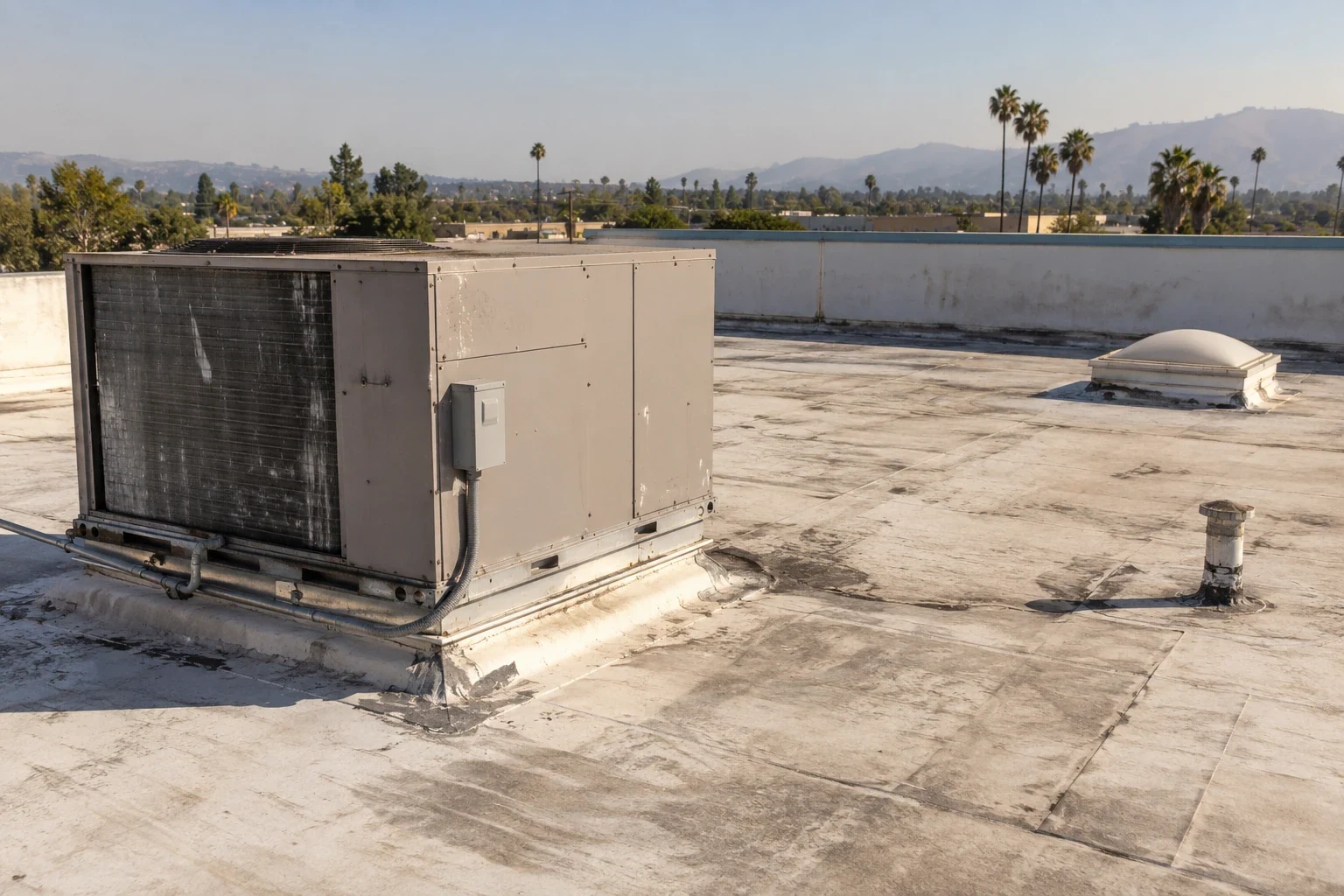
Commercial Roof Inspection
Read the full page
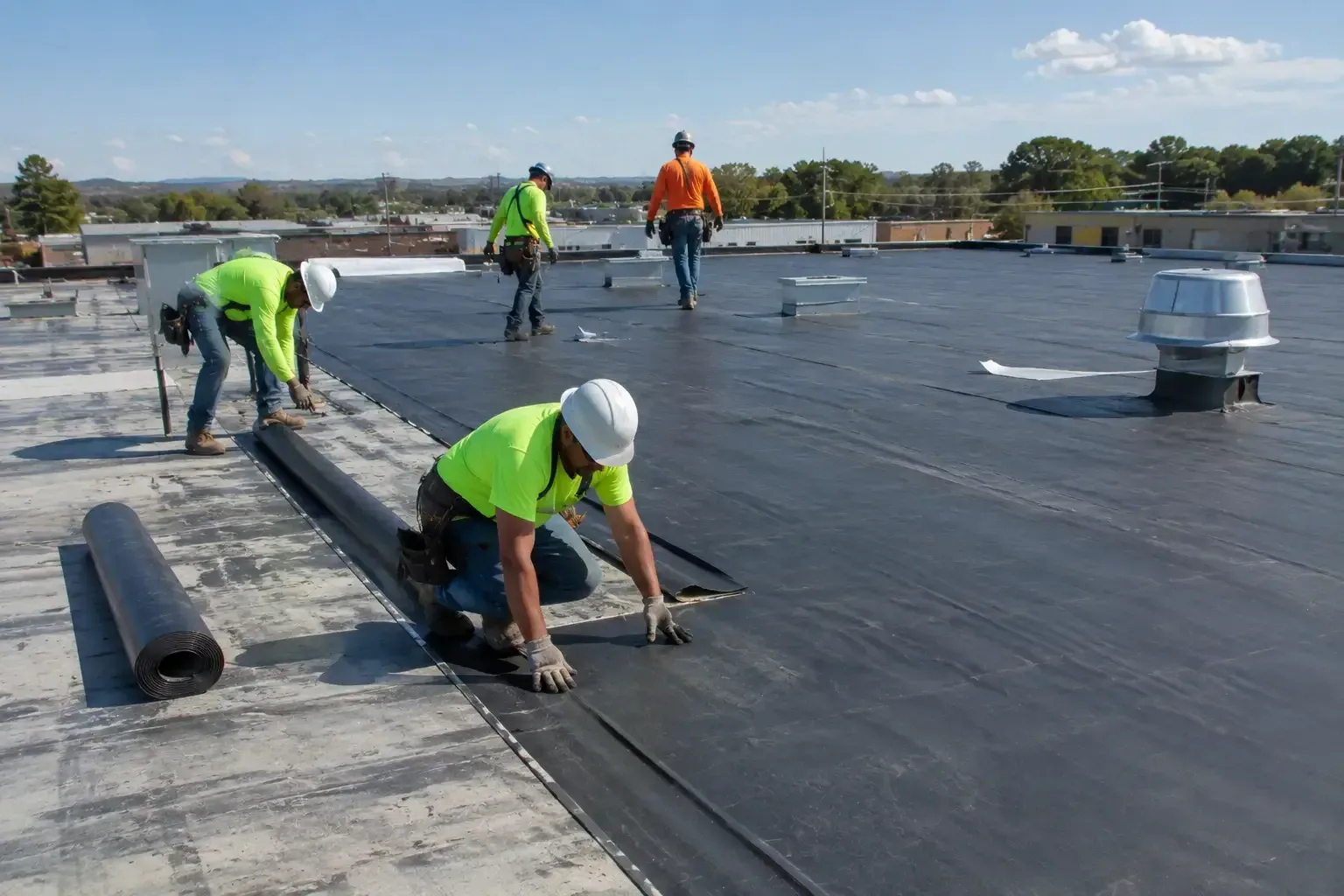
Occupied Building Reroofing
See how we handle it
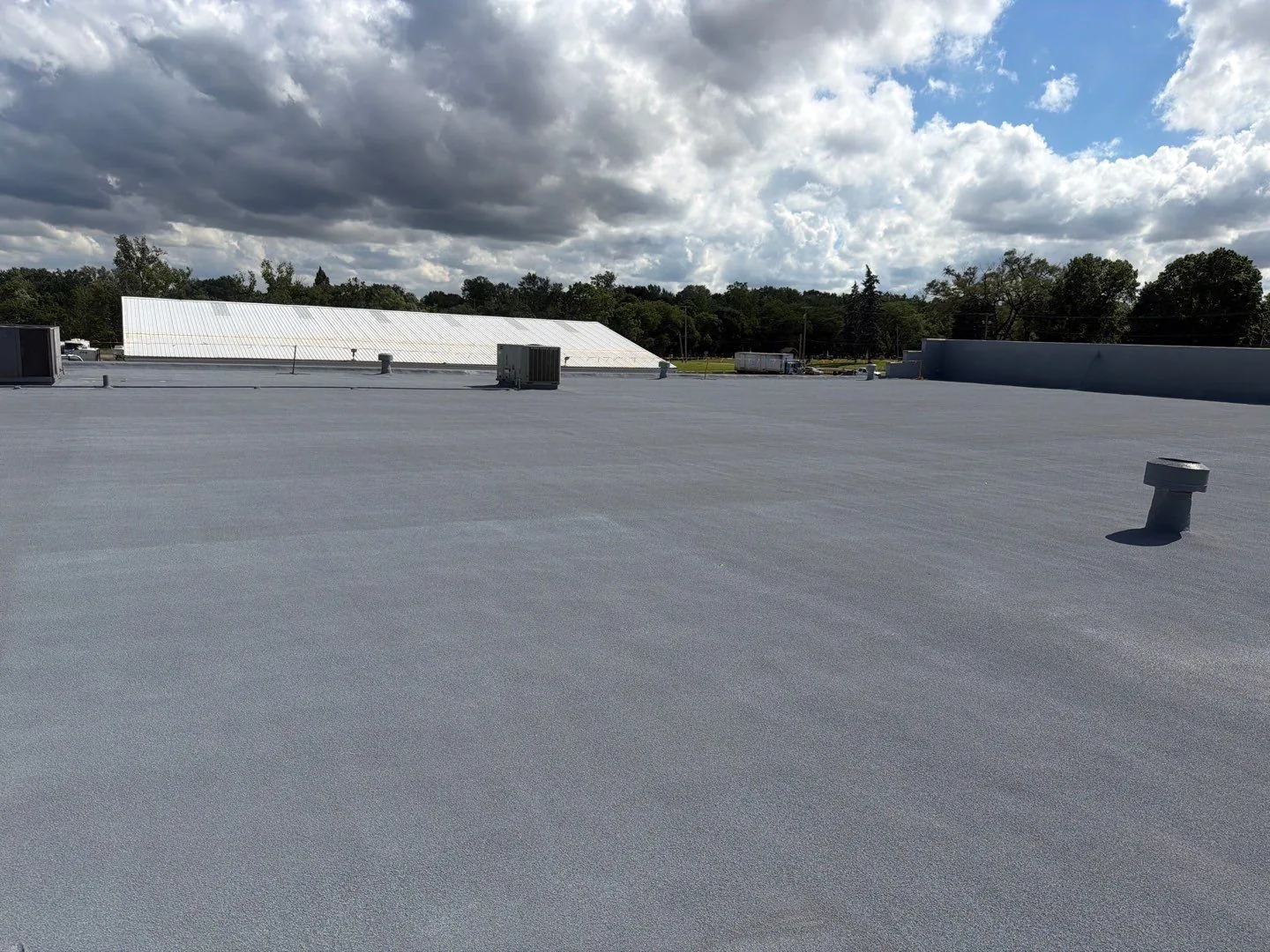
Roof Insulation and Cover Board
Scope, sequence and repair notes
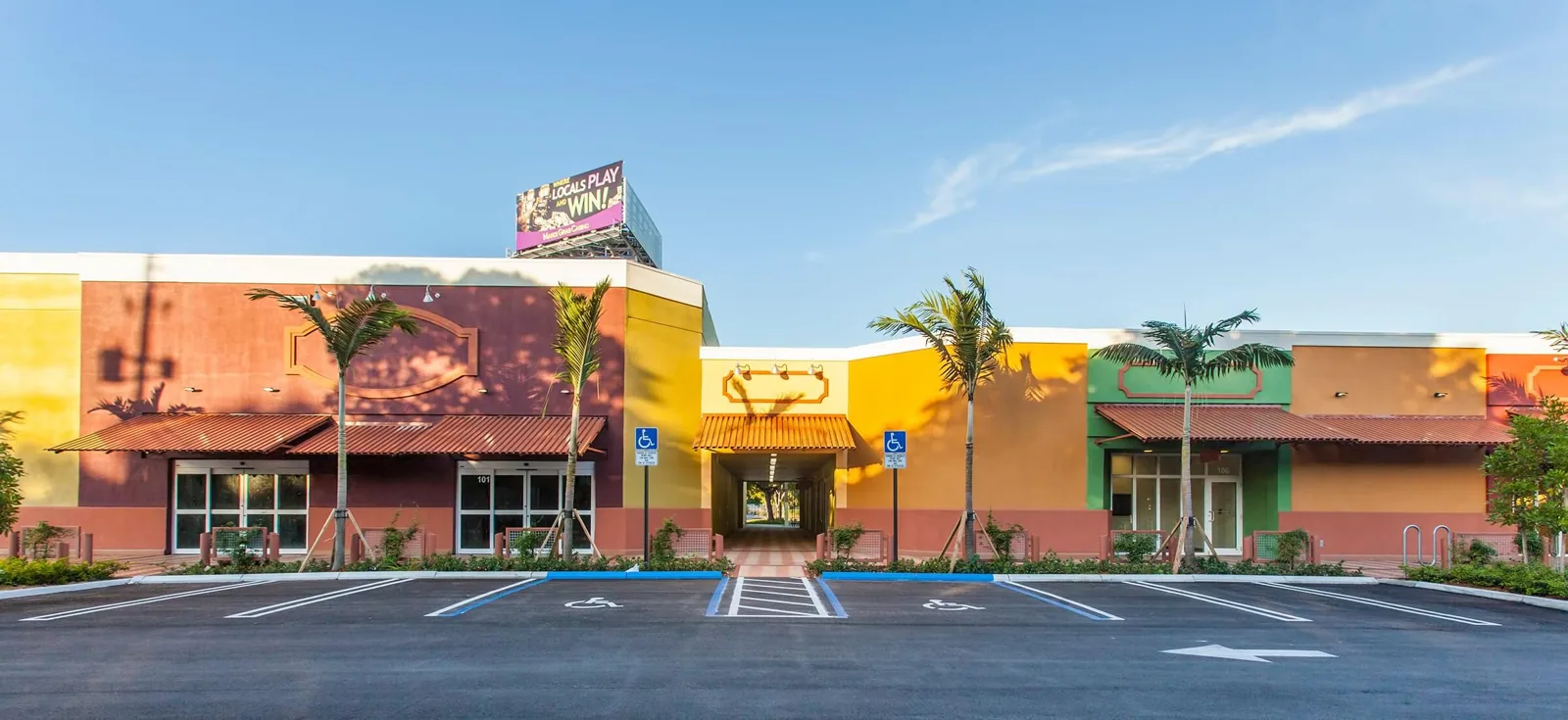
Shopping Center Roof Repairs Across Lease Boundaries
Read the full page
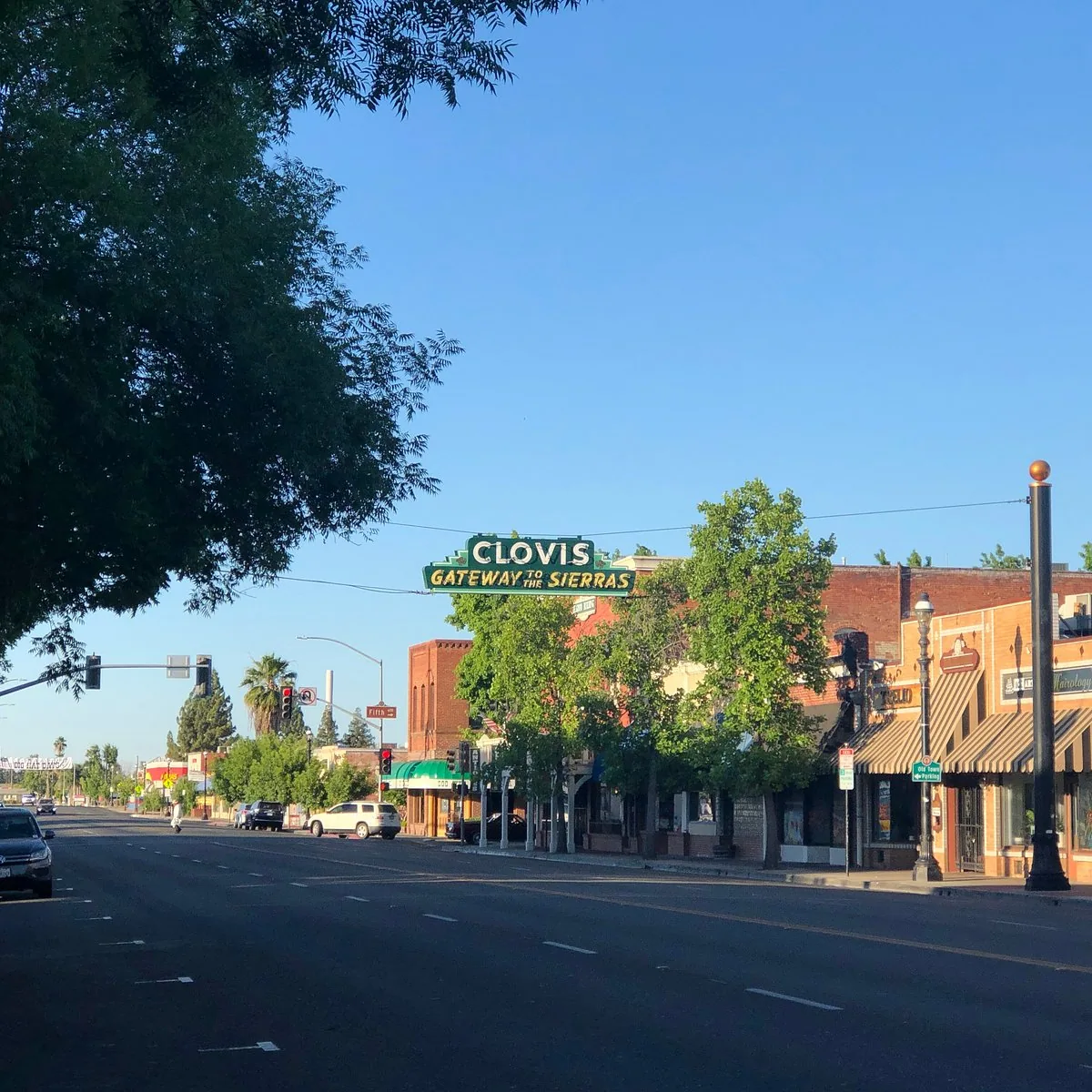
Grocery Roof Repairs Above Protected Stock Areas
See how we handle it
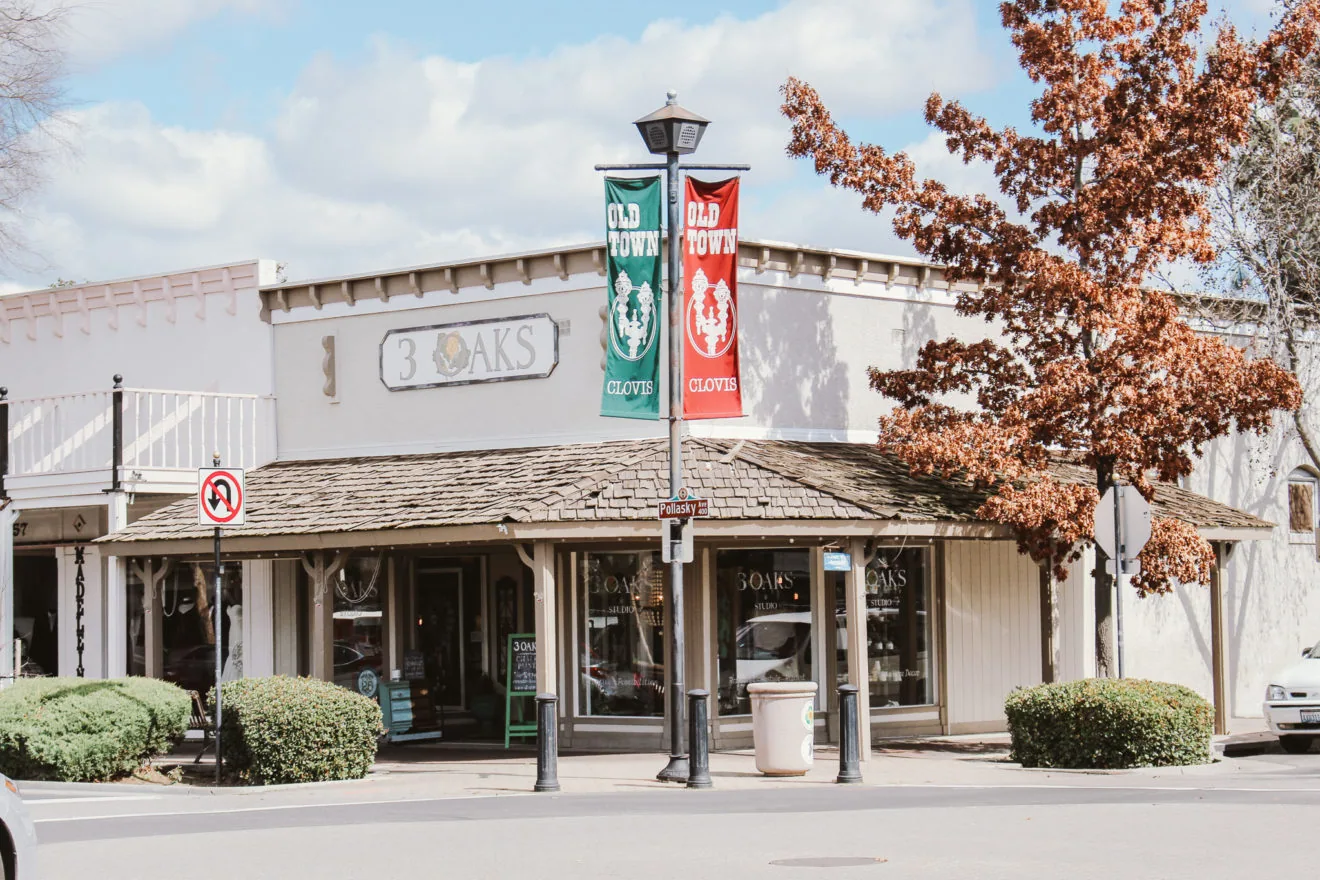
Clovis
Scope, sequence and repair notes