
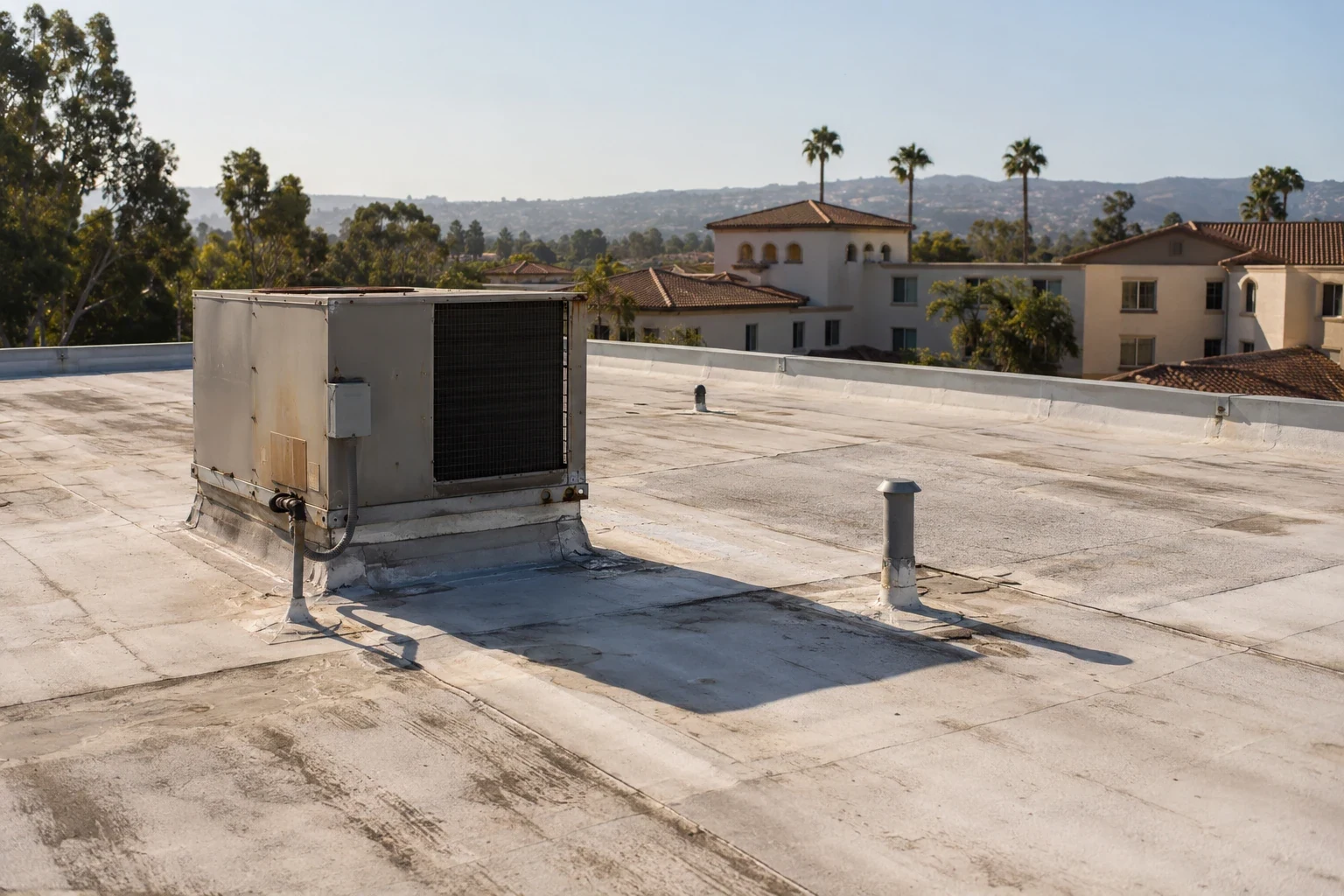
Senior Living Roof Repair in Clovis, CA
Property Types We Roof
A drip above a resident corridor after the first winter rain can change the building's routine before anyone reaches the roof. In senior living roofing in Clovis, CA, we start with the location, the rooms beneath it and the person authorized to release access, because a temporary patch is useful only when it addresses a supported water entry without introducing another exposure. Facility staff control resident movement and care arrangements while we determine what roofing work can safely proceed.
Across July 2024, the Fresno mean was 90 F; triple-digit readings occurred on 26 days. That regional heat history makes movement at aging roof joints a practical inspection concern, but it does not diagnose a particular residence. The first-rain complaint needs its own examination, including seams, wall transitions and equipment details where present. We receive urgent requests through the night and on holidays, then explain the available response and access requirements rather than promise a repair before seeing the conditions.
Resident rooms beneath the exposure
A wet ceiling near a sleeping room calls for a different work boundary from a stain in an unused storeroom. We identify the threatened interior with facility management, who determines relocation, restricted access and care continuity. Roofing protection must keep debris, tools and incoming water away from approved routes. A ceiling can conceal softened material or electrical hazards, so qualified personnel assess those conditions before a room is reopened or a roof task is treated as the only problem.
Roof work adjacent to medical office spaces may involve different room schedules within the same facility. We identify those divisions before loading supplies or arranging removal. The building's use does not establish a special roof material; the actual assembly and its accessible condition decide the repair. Resident protection continues through the follow-up visit, including confirmation that temporary protection has not obstructed drainage or left loose material above a route used by staff.
Movement at the leaking connection
A raised membrane lap, pulled flashing or cracked sealant joint provides a place to investigate, not permission to coat the entire roof. We compare the entry with the interior complaint, inspect adjacent attachments and determine whether the material can receive a compatible repair. Repeated movement at a wall or curb can reopen a patch placed only over the visible split. The permanent detail must accommodate the connection as it actually moves, with secure terminations and sound material beneath the repair.
For leak repair above resident areas, photographs and marked locations help staff distinguish a closed entry from an unresolved damp interior. Where the assembly remains wet, additional investigation defines the affected extent before a recover or replacement decision. Roof observations cannot establish indoor air quality or certify a resident room for return. Those decisions belong to the responsible facility professionals, using roofing findings as one part of their assessment.

Quiet routes and daily roof closure
A delivery route beside a resident entrance may be unavailable during meals, appointments or a shift change. We agree on the permitted movement of material and waste, then match the open roof area to the time available for reliable closure. Work that creates sound or odor needs facility review before scheduling. A smaller work area may require extra setup and temporary connections, and those obligations should appear in the scope instead of emerging during removal.
The sequencing for reroofing an occupied residence includes the daily closure detail, interior protection and responsibility for checking conditions before work resumes. Buildings used for apartment housing share some access issues, but care schedules add decisions that cannot be assumed from an ordinary residential work plan. We ask management which spaces require advance release and which routes must remain available, then propose a workable roofing boundary.
Fog moisture before adhesion
After sunset, tule fog can develop across the Central Valley, reaching its greatest thickness before dawn and thinning as daytime warmth returns. A morning that looks rain-free can therefore still leave a roof surface damp. We check the actual surface, product requirements and forecast before bonding membrane, applying a coating or closing a repair. Heating the air later in the day does not establish that moisture trapped beneath a roof layer has dried enough for permanent construction.
For a facility in Clovis, the inspection separates surface dampness from moisture inside the assembly. An infrared investigation of suspected wet insulation can help identify areas for confirmation when survey conditions are suitable. The temperature pattern alone does not establish a final removal boundary. We connect the survey with accessible testing and the planned roof detail so the owner understands which areas can remain and which require further opening.
Repair extent and facility release
A limited dry defect may support a localized repair; wet insulation, weak attachment or repeated failed transitions can require a broader intervention. We explain the finding that changes the choice, including the consequence of retaining damaged layers. Drainage corrections may belong in the permanent scope even when the entry began at a lap. A repair that leaves water collecting against that connection can continue to stress the detail after the original opening has been closed.
Timing follows the available facility release, suitable conditions and the material work involved. After construction, we photograph completed connections, identify any remaining investigation and arrange a check of temporary measures that still need replacement. Management receives the status in terms of the affected roof area and its current exposure, so a reduced drip does not become an unsupported declaration that the whole residence is dry. A roof decision is complete only when its construction and follow-up obligations are clear.
Healthcare and residential-care properties near the Herndon Avenue Medical District in Clovis have different operators and resident-protection needs. A senior-living roof repair should be coordinated around room occupancy, mobility routes and staff access, with the facility deciding whether a resident area needs temporary closure. Identify the affected roof zone and any interior space that may need protection before opening material. Keep clinical or resident-care judgments with the qualified facility staff.
Senior-living facilities may have residents who need additional time or assistance when a corridor, room or outdoor route is temporarily restricted. Coordinate the roof access route and any interior protection with the operator before mobilization, and avoid placing materials where staff need clear emergency movement. The facility decides which residents or care areas require special arrangements; the roofing scope explains the work zone, noise and expected closure. Keep daily progress and unresolved roof conditions available to the site contact so resident services can be planned around actual work rather than an assumed completion time.
Commercial Roofing Questions
Can a corridor remain available beneath the roof repair?
The protection boundary and management release decide that. We describe overhead exposure, waste movement and daily closure before facility staff determine which route can remain in use. A clear corridor at the beginning of the shift does not authorize overhead removal later that day.
Does a heat-related seam split require the whole roof to be replaced?
Sound material beside the split is necessary for a local repair. A repair may be appropriate where attachment and surrounding layers remain serviceable. Wet insulation or recurring movement at multiple connections can change the scope, which needs examination rather than a conclusion based on summer temperature.
Will a moisture survey let us reopen a resident room?
A facility assessment is necessary before room return. A roof survey addresses suspected moisture within the roof assembly and helps guide confirmation work. It does not evaluate every interior material or resident health consideration, so staff should receive the roof findings without treating them as room clearance.
What changes the cost of work above occupied care areas?
Restricted access periods, protective arrangements and repeated daily tie-ins can add labor even to a modest repair area. Removal of wet material also changes handling and replacement needs. We explain those tasks separately so the owner can compare the same exposure and closure requirements.
Describe the affected resident area
Tell us the room or corridor, when water appeared, whether it is still entering and who can release access. We will establish the response options and the protection needed before opening the roof.
Related Pages
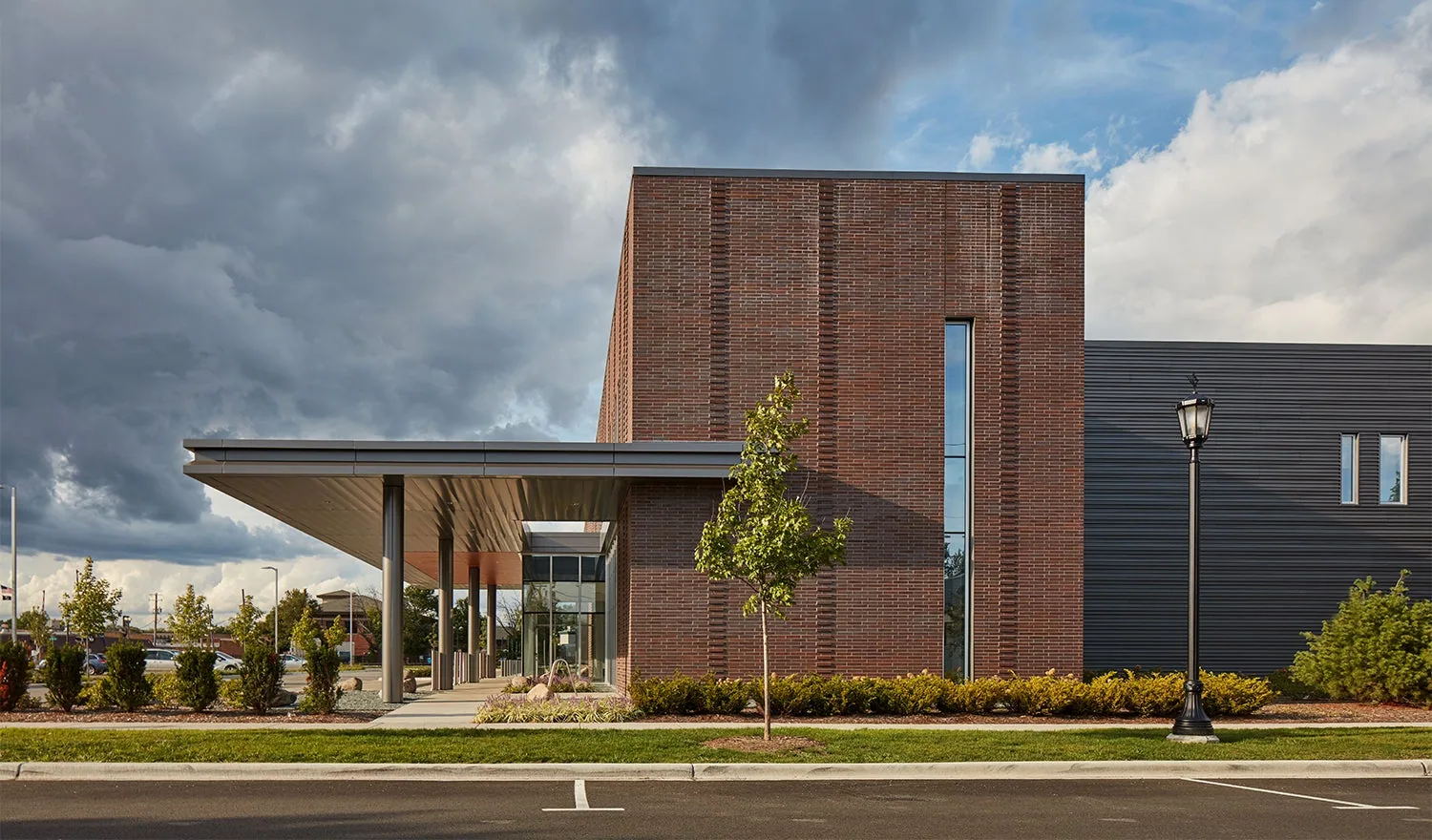
Medical Office Roof Repairs With Room Protection
Read the full page
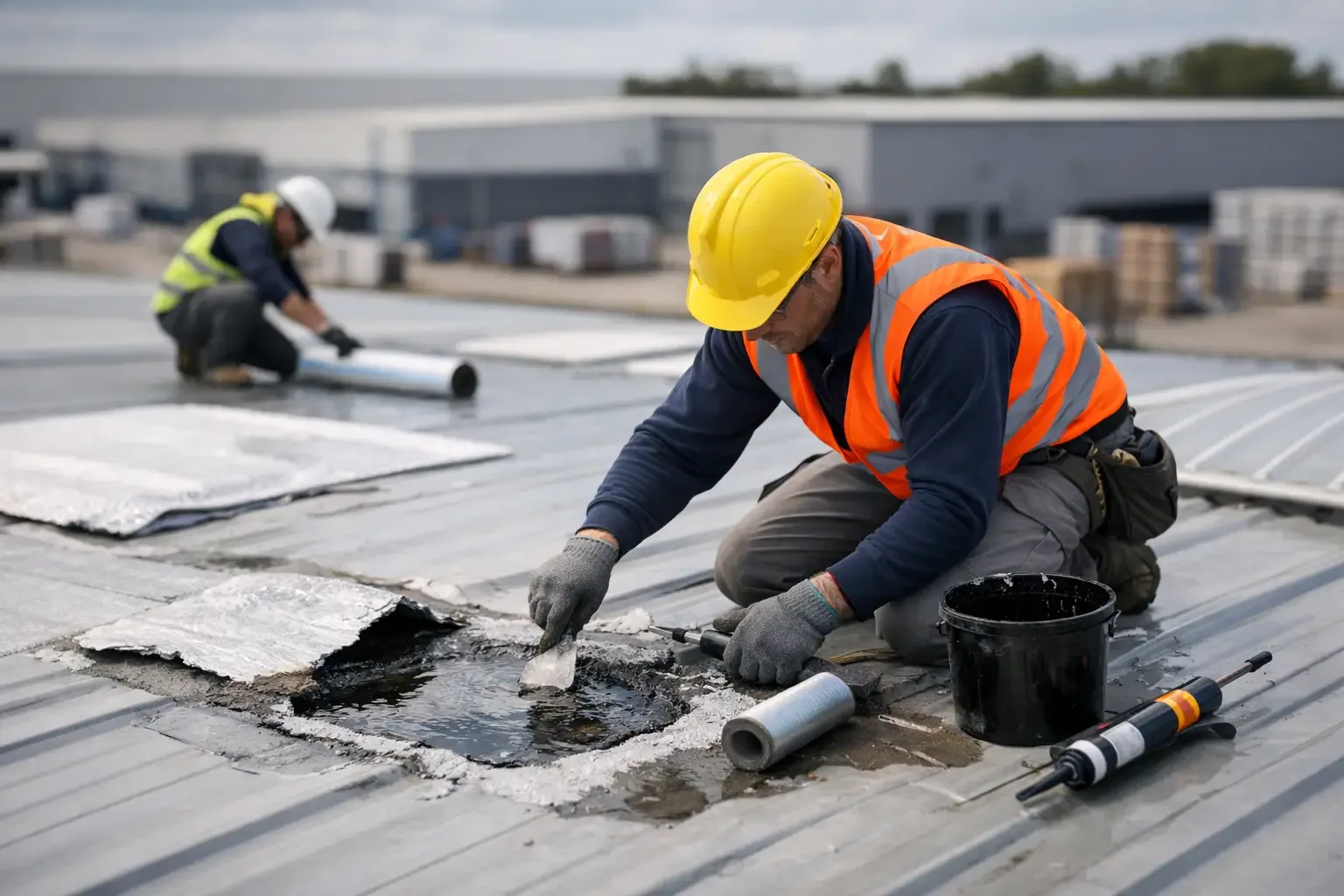
Commercial Roof Leak Repair
See how we handle it
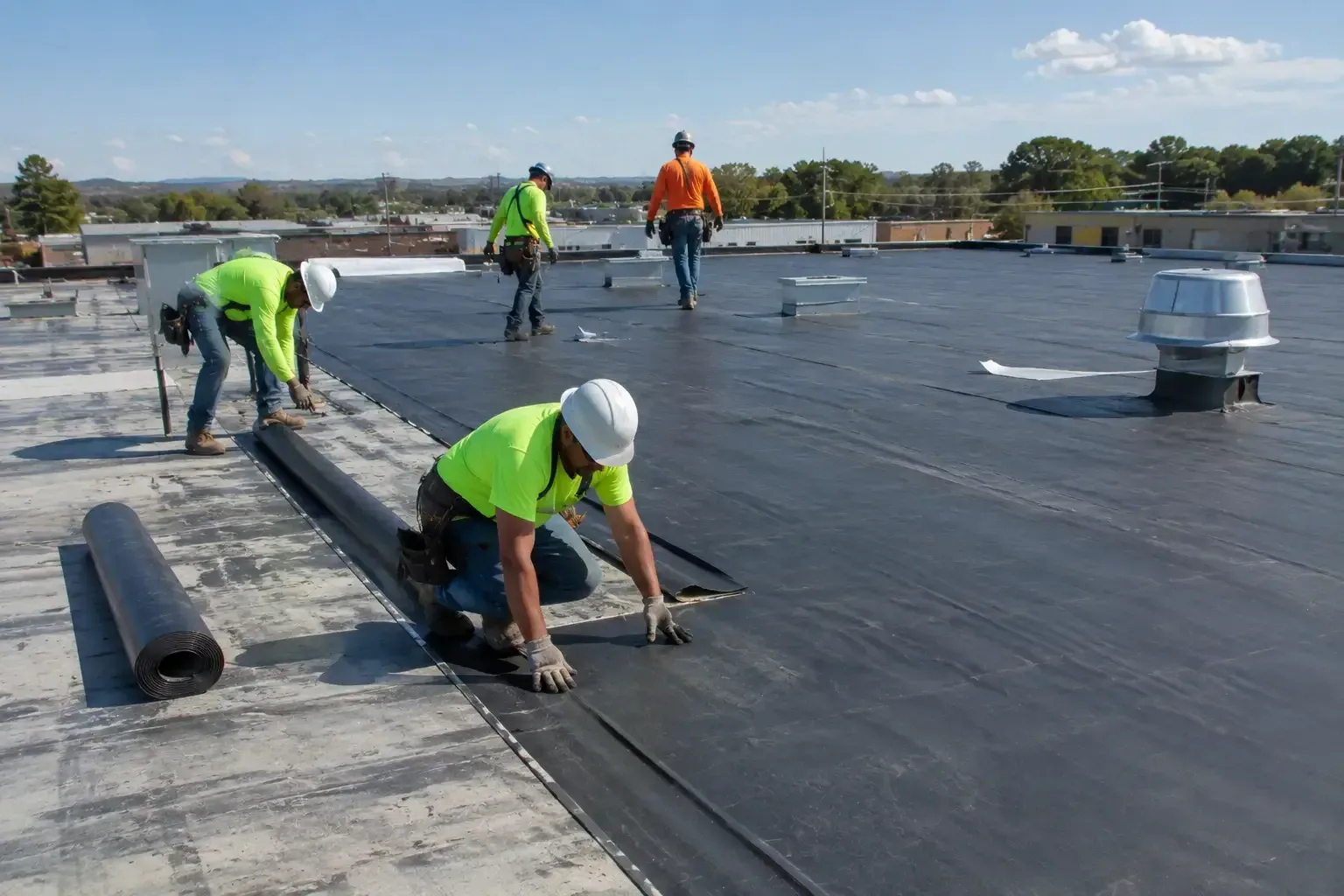
Occupied Building Reroofing
Scope, sequence and repair notes
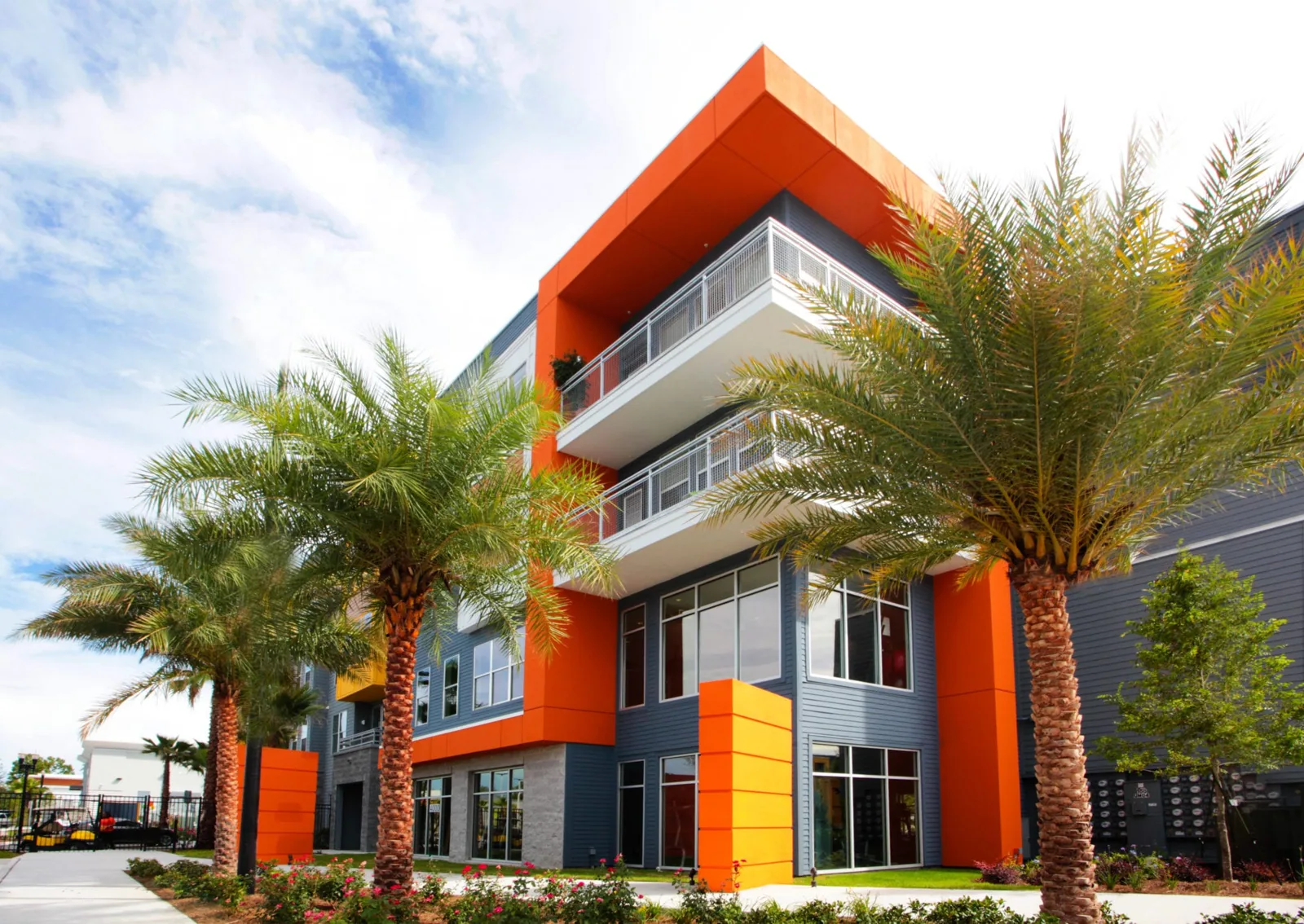
Apartment Roof Leaks and Resident Access Coordination
Read the full page
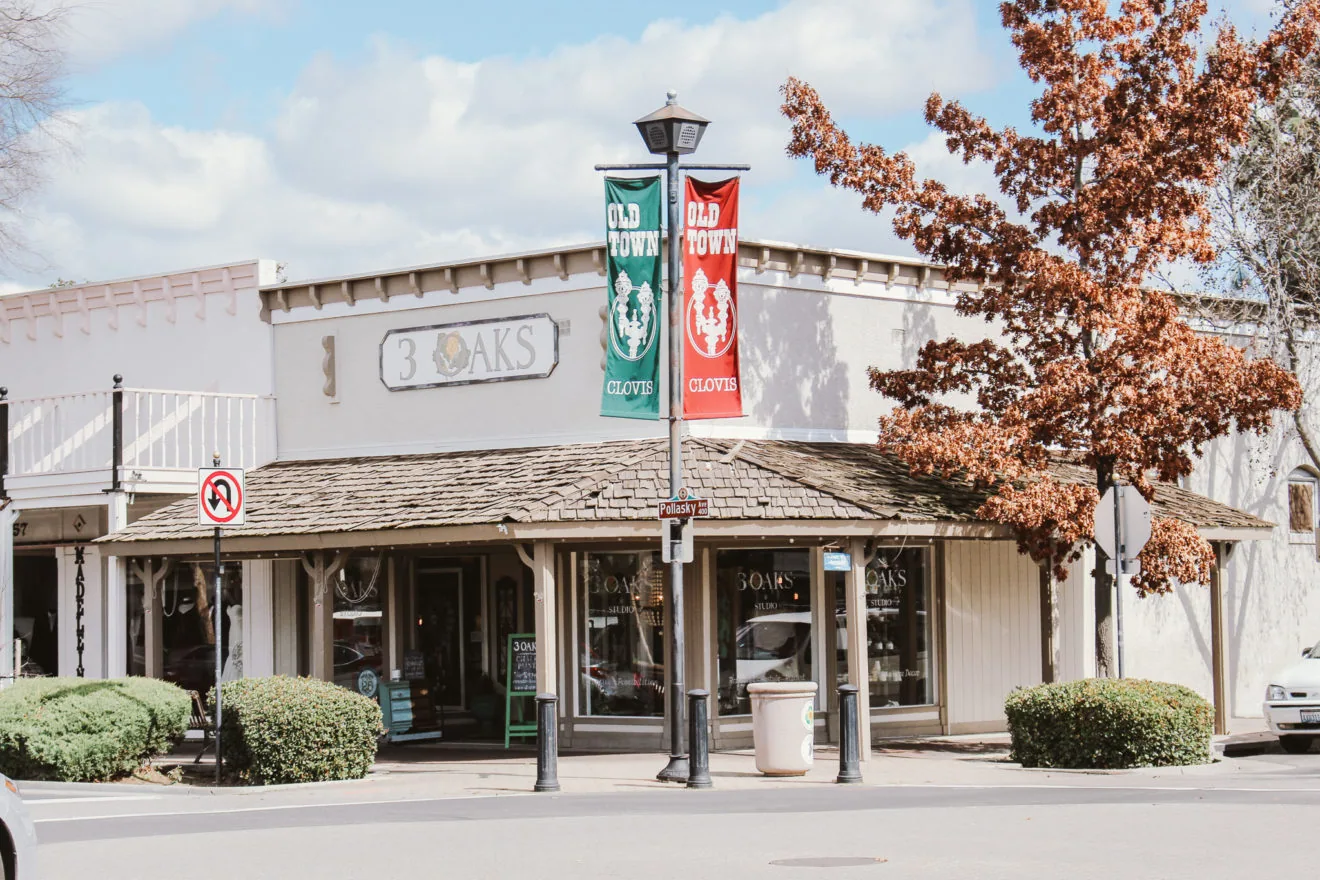
Clovis
See how we handle it
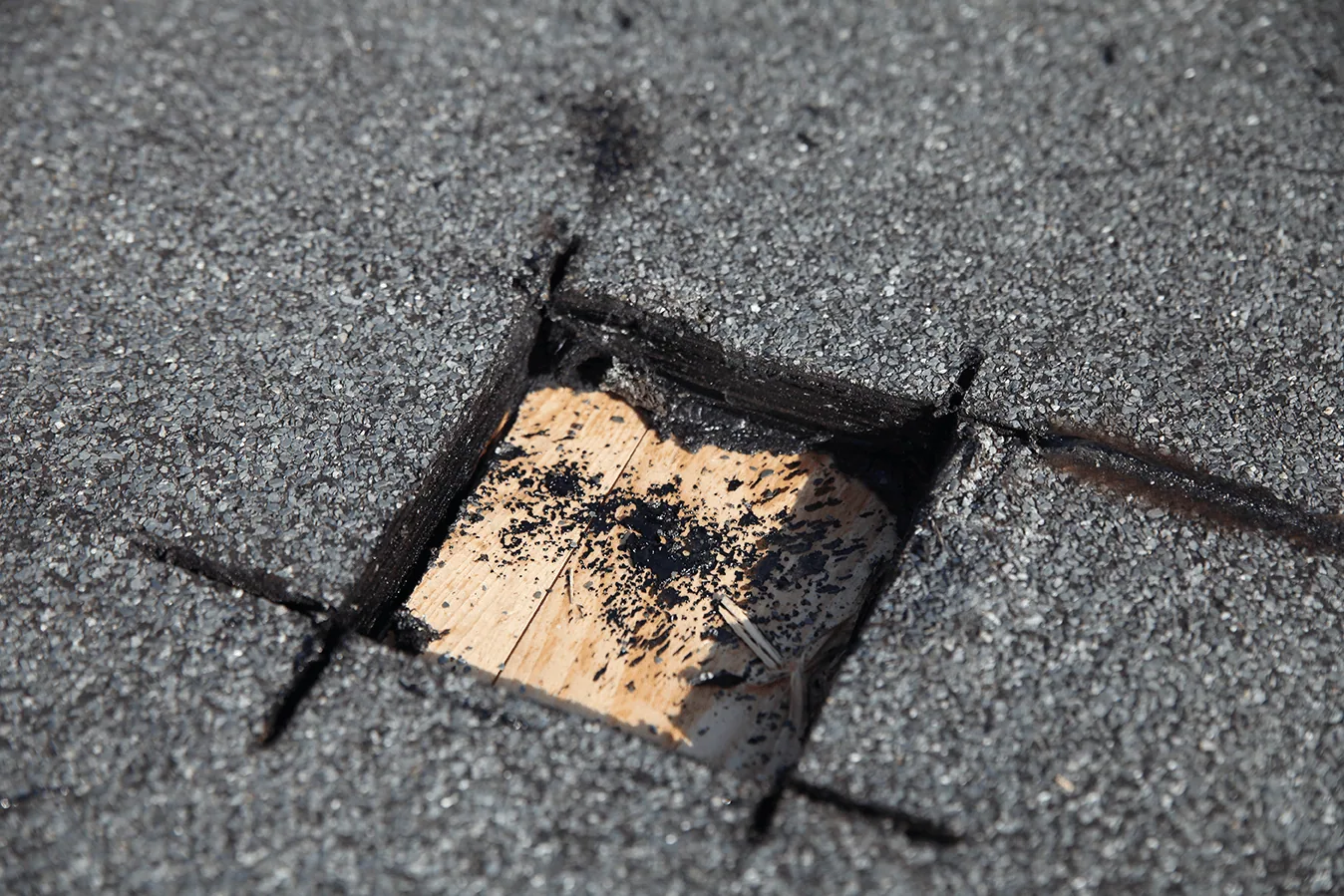
Infrared Roof Moisture Survey
Scope, sequence and repair notes