
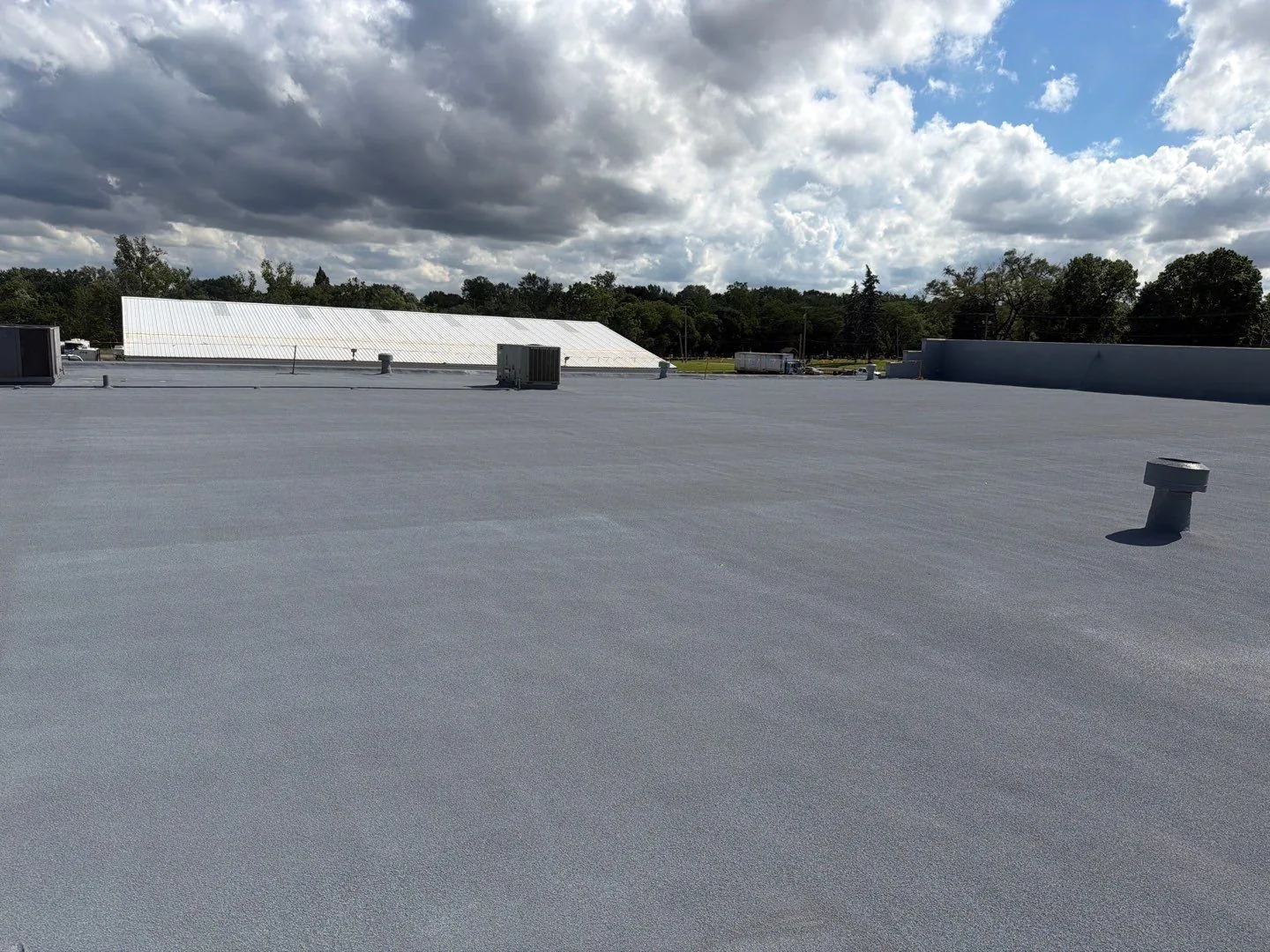
Roof Insulation and Cover Board in Clovis, CA
Commercial Roofing Services
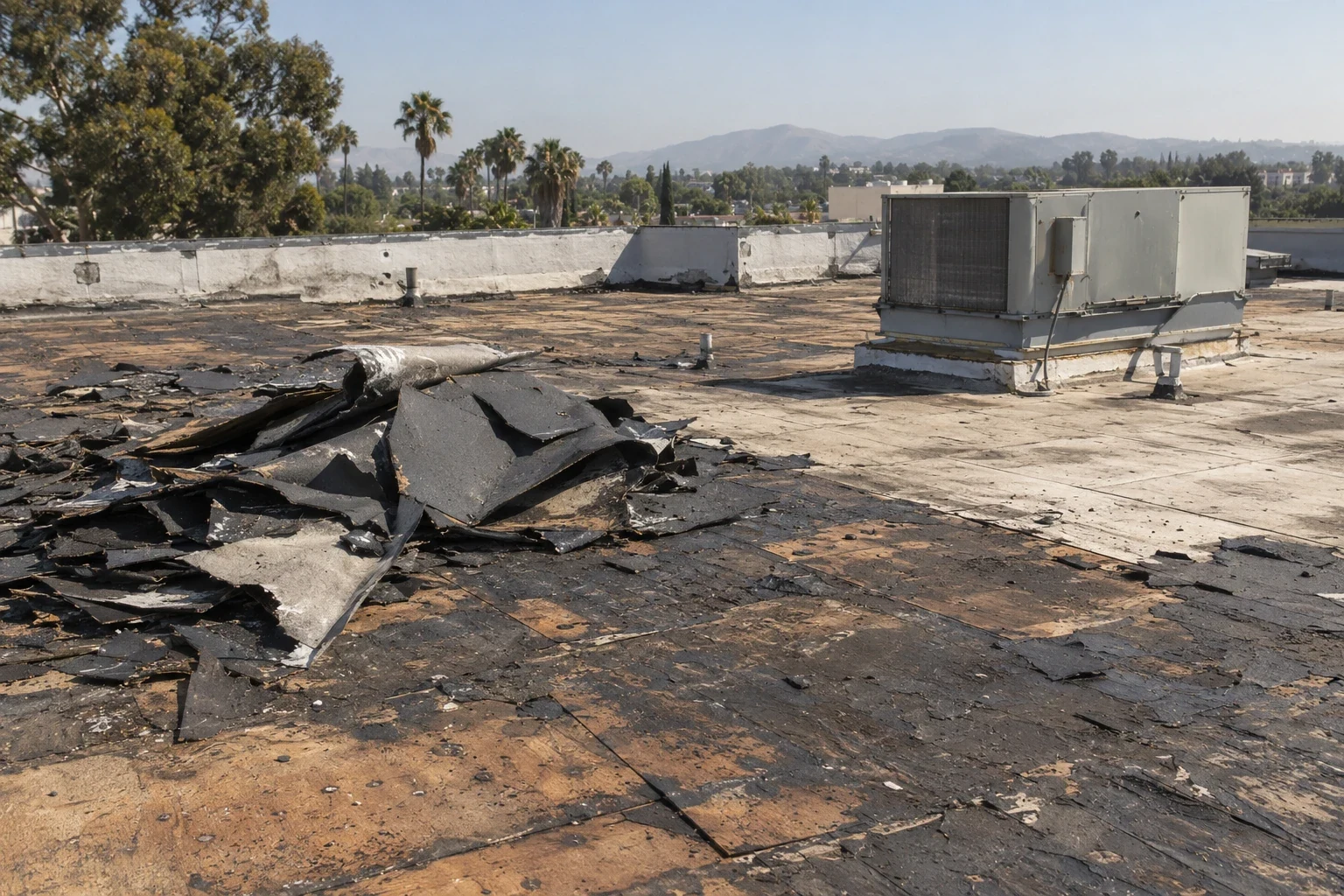
A soft area discovered beside a repaired leak could indicate wet insulation, a damaged cover board or a deeper deck problem, and the layers need to be identified before another membrane patch is placed. Roof insulation and cover board work in Clovis, CA starts beneath the visible surface. We assess moisture, compression and support, then explain which components can remain and which must be removed so the repaired roof has a sound base rather than a fresh finish over weakened material.
A hot interior during summer does not by itself establish that insulation has failed. Fresno's record July heat in 2024 provides regional context for thermal exposure, while equipment performance, air leakage and the roof assembly may each contribute to a building complaint. We use assembly-focused roof examination to establish the roofing condition before assigning a cause. Where the concern includes concealed moisture, investigation needs to distinguish a screening result from confirmed damage in the retained layers.
Wet insulation and the removal boundary
Water entering through a small membrane opening can move into insulation joints and travel beyond the visible defect. We examine the affected area with methods appropriate to the system, then use selected openings when needed to confirm material condition. The repair boundary should follow the extent that can no longer be retained, rather than stopping at a convenient line around the stain. A deck concern discovered below the insulation requires its own assessment before the assembly is closed.
An infrared moisture investigation can identify areas with different thermal behavior during an appropriate survey period. Its readings still require interpretation because they do not directly measure every wet component or establish the roof's complete construction. We correlate the findings with physical checks and record their limits. Once the removal area is defined, the work sequence includes temporary weather protection, removal of affected layers and preparation of the supporting surface. The owner can then see how concealed damage changes a repair that initially appeared limited to the membrane.
The board beneath the weather surface
A cover board can provide a suitable layer beneath the membrane and contribute to protection against certain service stresses, but its role depends on the selected assembly. Material type, thickness, attachment and compatibility must match the roof system and project requirements. We examine what is present before recommending a replacement, including whether damage is localized or reflects a broader support problem. A generic board substitution can change how the roof performs at its joints and attachment points.
For a TPO membrane assembly, the substrate and selected attachment method affect the preparation of the new layers. Other membranes or coating systems may require different arrangements. We explain the complete proposed assembly instead of presenting cover board as a universal cure for punctures or soft areas. Service paths and equipment supports also need attention, because concentrated loads can continue to damage the roof if their contact with the new surface is left unchanged.
Slope within the rebuilt area
Replacing insulation creates a point at which existing drainage needs to be examined. Flat replacement layers may reproduce a low area, while a proposed tapered arrangement must connect to the surrounding roof and outlet elevations. We assess the water route and identify whether the repair is maintaining the existing geometry or changing it. A drainage alteration needs appropriate review rather than an improvised rise that redirects water toward another vulnerable detail.
The connection with drains and wall outlets must remain workable after the new layers are installed. Raising the surface can affect flashing heights, curbs and perimeter transitions, so those details enter the repair scope before material is ordered. We explain any resulting work at adjoining components. The cost of rebuilding an area therefore follows both the material removed and the connections that must change, not simply the size of the exposed insulation.
Thermal decisions and building operations
A roof replacement or larger repair can create an opportunity to review thermal performance, but the required assembly must come from the building condition and project requirements. We identify the existing layers where they can be confirmed and explain the proposed insulation arrangement. Changes to equipment, deck capacity or fire-related assembly requirements need the appropriate professional and product review. We do not assign a standard insulation value to every building because it sits in the same market.
For cold storage roof decisions, moisture movement and temperature differences deserve careful evaluation with the building's actual operation established. Clovis Community Medical Center on Herndon Avenue is another local reference for the need to coordinate overhead work and uninterrupted activity. At any property, the operator supplies the room-use and protection requirements. Work in Clovis should account for those conditions before the roof is opened, with each area protected and closed according to the agreed sequence.
The dry installation and retained layers
Central Valley winter tule fog can leave surfaces damp and complicate an installation planned for early morning. We check the deck and material conditions, protect stored components and follow the selected assembly's requirements before installing or bonding new layers. Moisture introduced during work can undermine the reason the affected insulation was removed. The planned work area therefore needs a practical closure method if conditions change before the membrane is complete.
Where the owner is considering retaining the existing roof beneath a recover, insulation condition becomes part of the eligibility decision. A new layer should not conceal unresolved saturation, weak attachment or unsuitable support. We document retained components, removed areas and the assembly installed so later inspections can interpret the roof correctly. That record also identifies where further investigation or a larger replacement remains necessary, rather than treating a localized rebuild as a statement about the entire roof.
Stored insulation also needs protection before it enters the assembly. We plan staging and handling so exposed packaging or prolonged roof storage does not introduce moisture or damage. Material that arrives unsuitable for installation should be addressed before placement, with the operator informed if that changes the sequence of opening and closing the roof.
Insulation and cover-board replacement requires a defined limit around wet or damaged material. We compare the exposed layers, note changes in thickness or attachment and record where a roof opening reaches dry, stable conditions. A moisture reading can guide investigation but does not alone determine how far removal should extend. The assembly designer or owner may need to resolve vapor control, fastening or structural questions before closure. Include temporary weather protection and the approved daily stopping point in the sequence, then document the materials installed so later service can distinguish the repaired area from the retained roof.
Commercial Roofing Questions
Can wet insulation dry beneath a new membrane?
Material condition and the confirmed moisture extent govern retention. We do not rely on an unconfirmed drying assumption inside a sealed assembly. Affected components are investigated and addressed before the new weather barrier is installed.
Does cover board replace insulation?
The function of each layer determines the arrangement. Cover board and insulation serve different roles within the selected roof assembly, and the proposed construction must satisfy the project requirements. We explain which component provides support, thermal resistance and the membrane substrate.
Why do curb and outlet repairs appear in an insulation proposal?
The finished roof elevation controls those connections. New or tapered layers can change how the membrane meets a curb, drain or perimeter. We identify the related detail work so the rebuilt area drains and connects properly rather than leaving an incomplete transition.
Will a warm indoor area prove that the roof needs more insulation?
The cause of the temperature complaint must be established. Roofing condition can contribute, but equipment operation and air leakage may also matter. We examine the roof assembly and coordinate the information needed before recommending a thermal change.
The assembly decision beneath the surface
Describe soft areas, previous leaks and the operation below the roof. We investigate the retained layers and drainage connections, then explain the removal boundary and the insulation and cover board arrangement proposed.
Related Pages
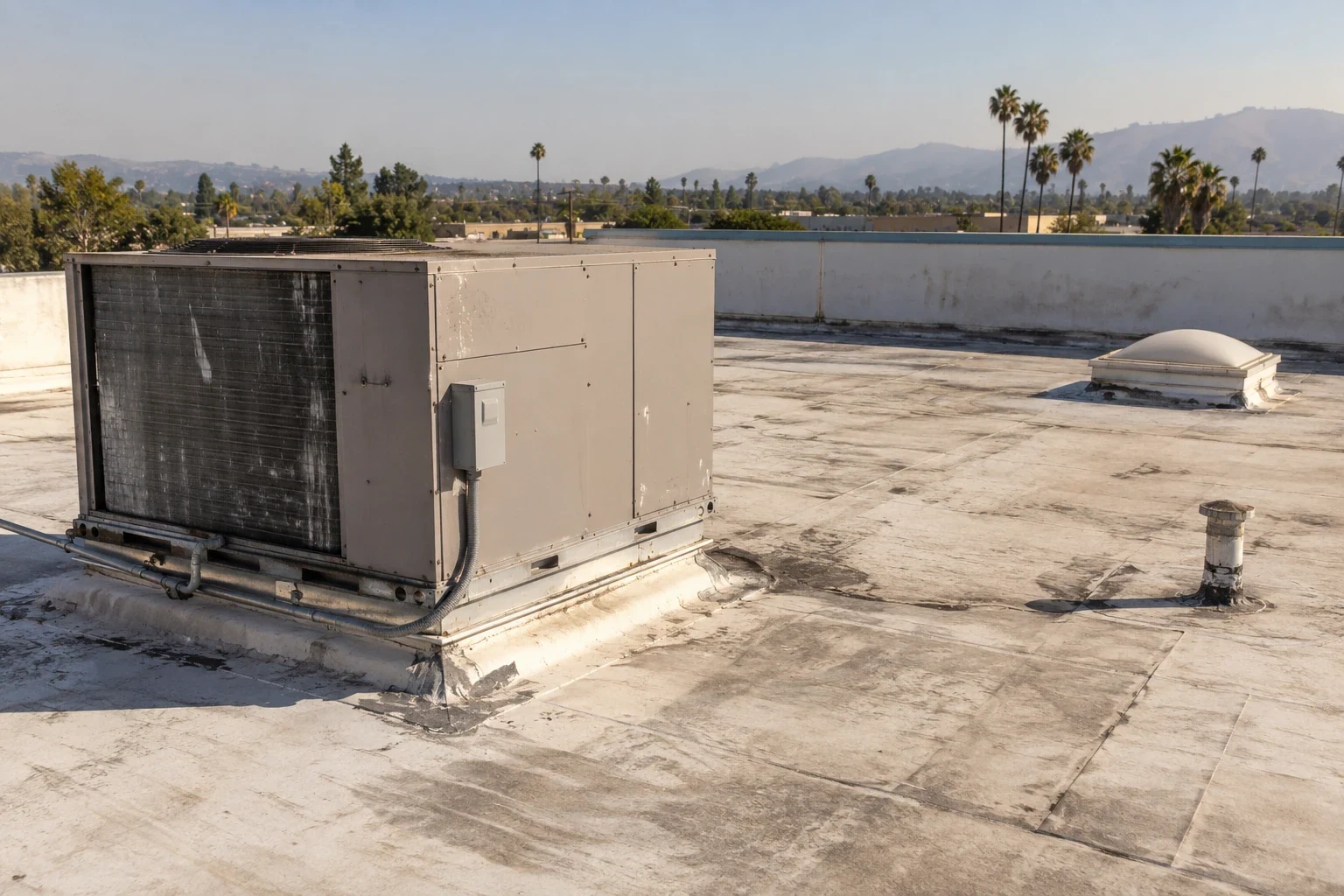
Commercial Roof Inspection
Read the full page
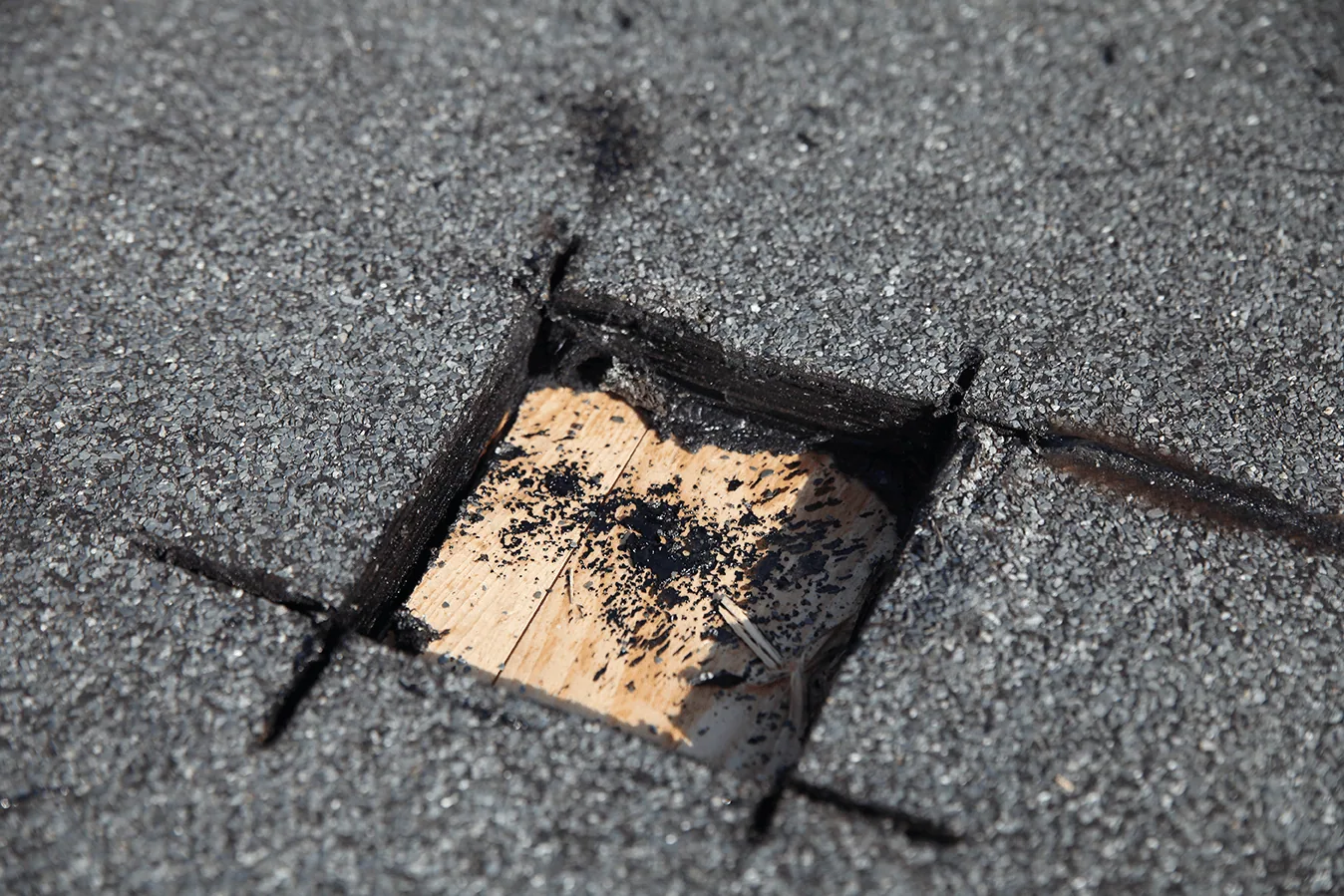
Infrared Roof Moisture Survey
See how we handle it
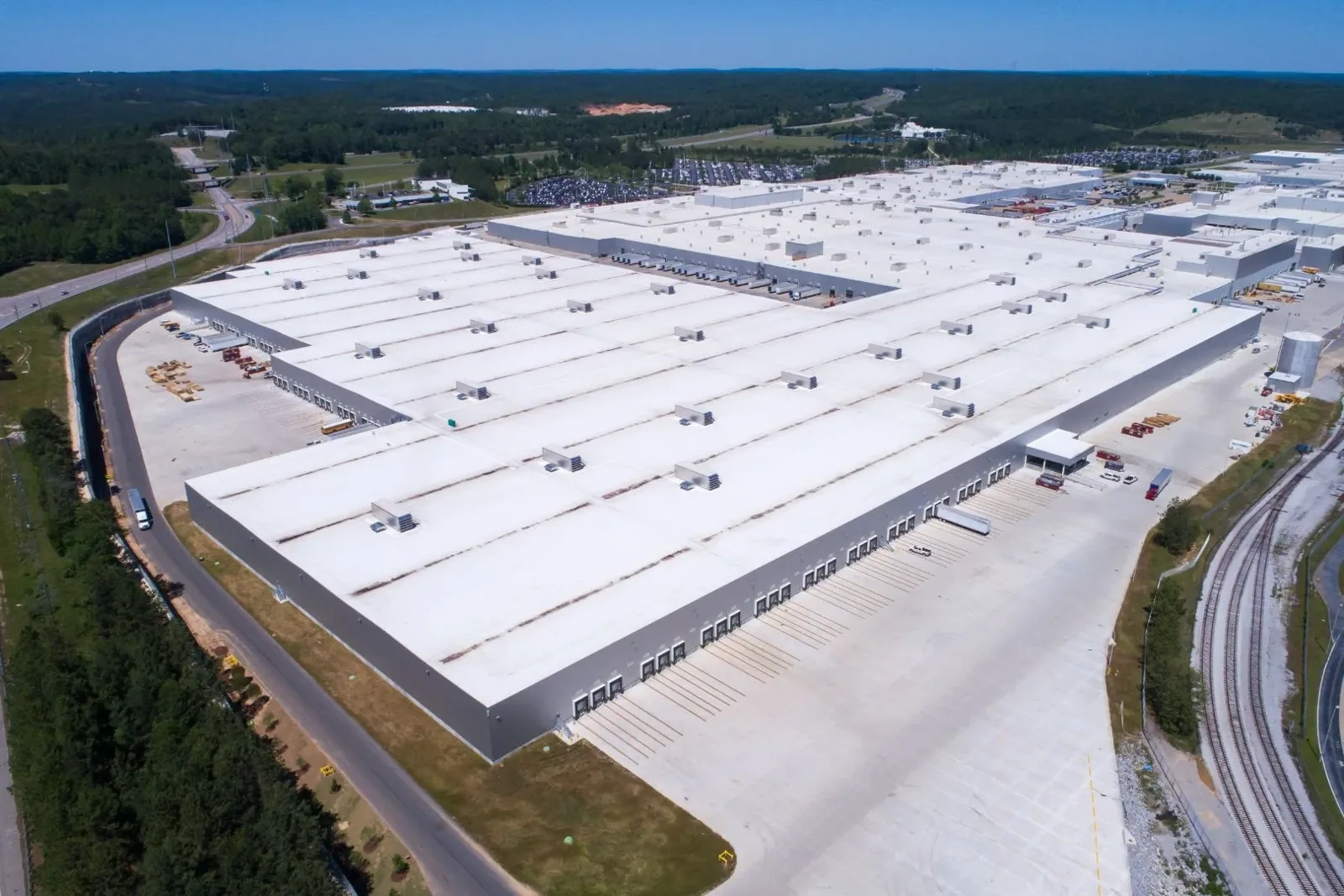
TPO Roof Repair in Clovis After a New Drip
Scope, sequence and repair notes
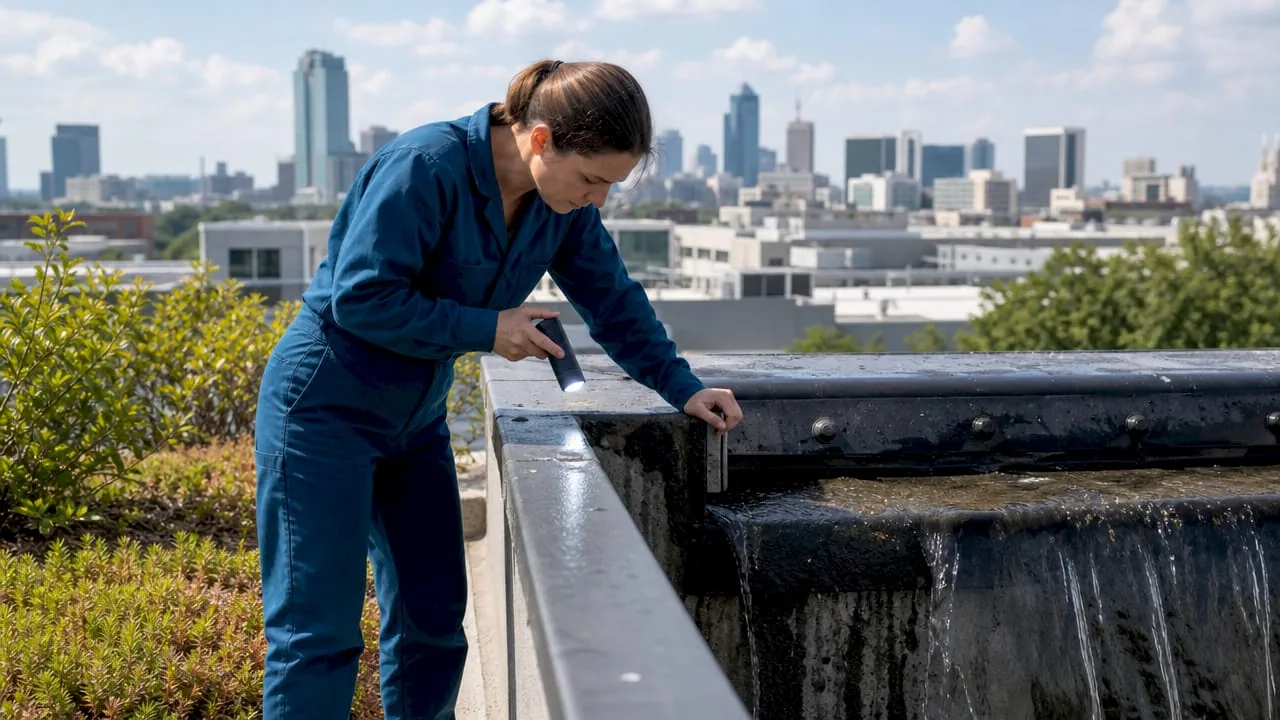
Roof Drains and Scuppers
Read the full page
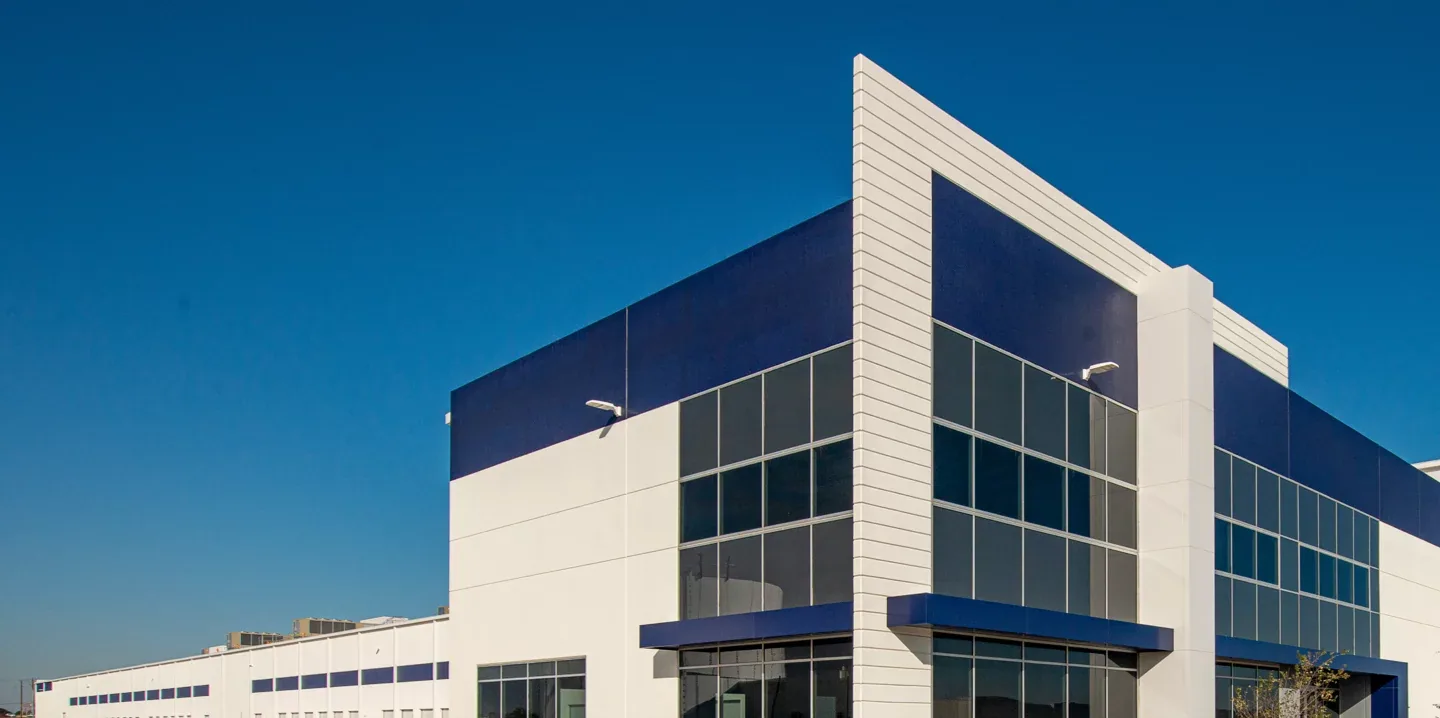
Cold Storage Roof Investigation Before Assembly Repair
See how we handle it
Clovis
Scope, sequence and repair notes