
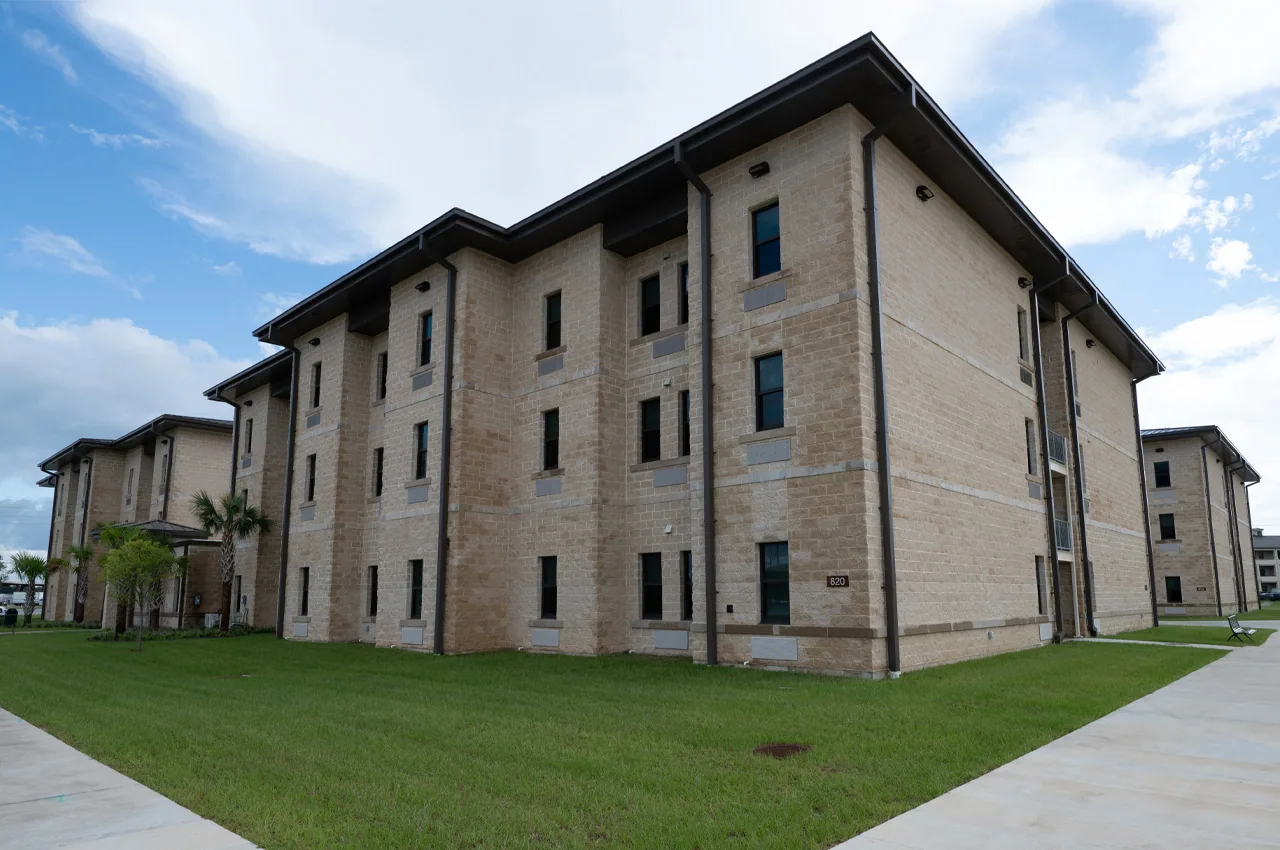
Air Force Base Roofing in Clovis, CA
Property Types We Roof
A drip appearing above an equipment room during the first winter rain can turn a quiet shift into a roof investigation, particularly when the room has no convenient place to move its contents. For an air installation project near Clovis, CA, we begin with the affected room and the reported timing, then work outward to the roof covering, penetrations and drainage. Fresno Air National Guard Base is home to the 144th Fighter Wing, giving the area a real air installation context. The assigned building and its roof still determine the investigation. A membrane opening, loose perimeter connection and equipment discharge can produce similar indoor complaints while requiring very different corrections.
The perimeter connection
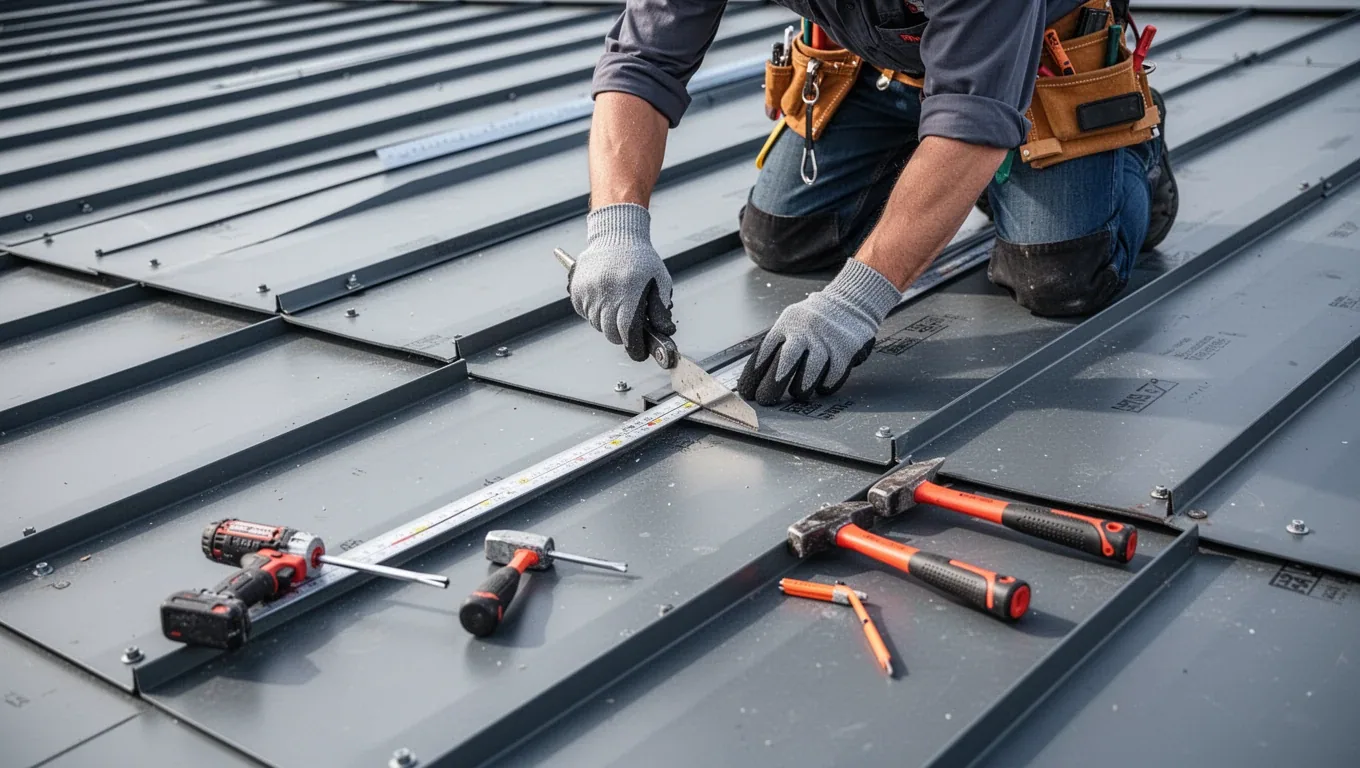
A lifted strip of edge metal deserves attention even when the roof field looks unbroken. Wind pressure can load the roof covering through the perimeter, and a loose termination can let rain enter beneath a surface that sheds water elsewhere. We inspect the attachment, underlying blocking and adjacent membrane before deciding how much needs opening. The purpose is to identify a continuous load path and a sound waterproof connection, rather than merely tighten the visibly loose piece. Perimeter metal repairs need to match the existing wall and roof detail. Any evidence of displaced decking or a damaged supporting member goes to the appropriate design professional before the roofing correction proceeds.
The area beneath the loose edge matters too. We trace possible travel along the wall, insulation and roof deck, compare the interior complaint with the exterior defect and photograph the connection before covering it. Water staining alone cannot establish the condition of a concealed fastener or wood blocking. Selective opening, with permission and a closure method prepared, may be necessary to distinguish an isolated metal problem from deterioration that extends along the edge.
The initial response
A report of active water entering an electrical room calls for coordination with the facility contact before anyone treats the space as a normal inspection route. The operator manages electrical isolation and interior restrictions; we address roof access and the waterproofing problem within the approved work area. Our emergency line takes calls through nights, weekends and holidays. During that conversation we establish where water is appearing, whether it is increasing and which access arrangements must be completed. A same-day repair is considered only after access, conditions and compatible materials are established.
Temporary protection should resist the conditions expected before the return visit and remain identifiable when permanent work starts. We avoid burying an uncertain edge under layers of unrelated sealant, because that obscures the actual attachment and makes the next inspection harder. Where a localized patch is appropriate, its substrate needs enough strength and dryness for the chosen material. We record any part of the suspect connection that remains inaccessible so an apparently dry interior does not become the only measure of completion.
Heat movement and fasteners
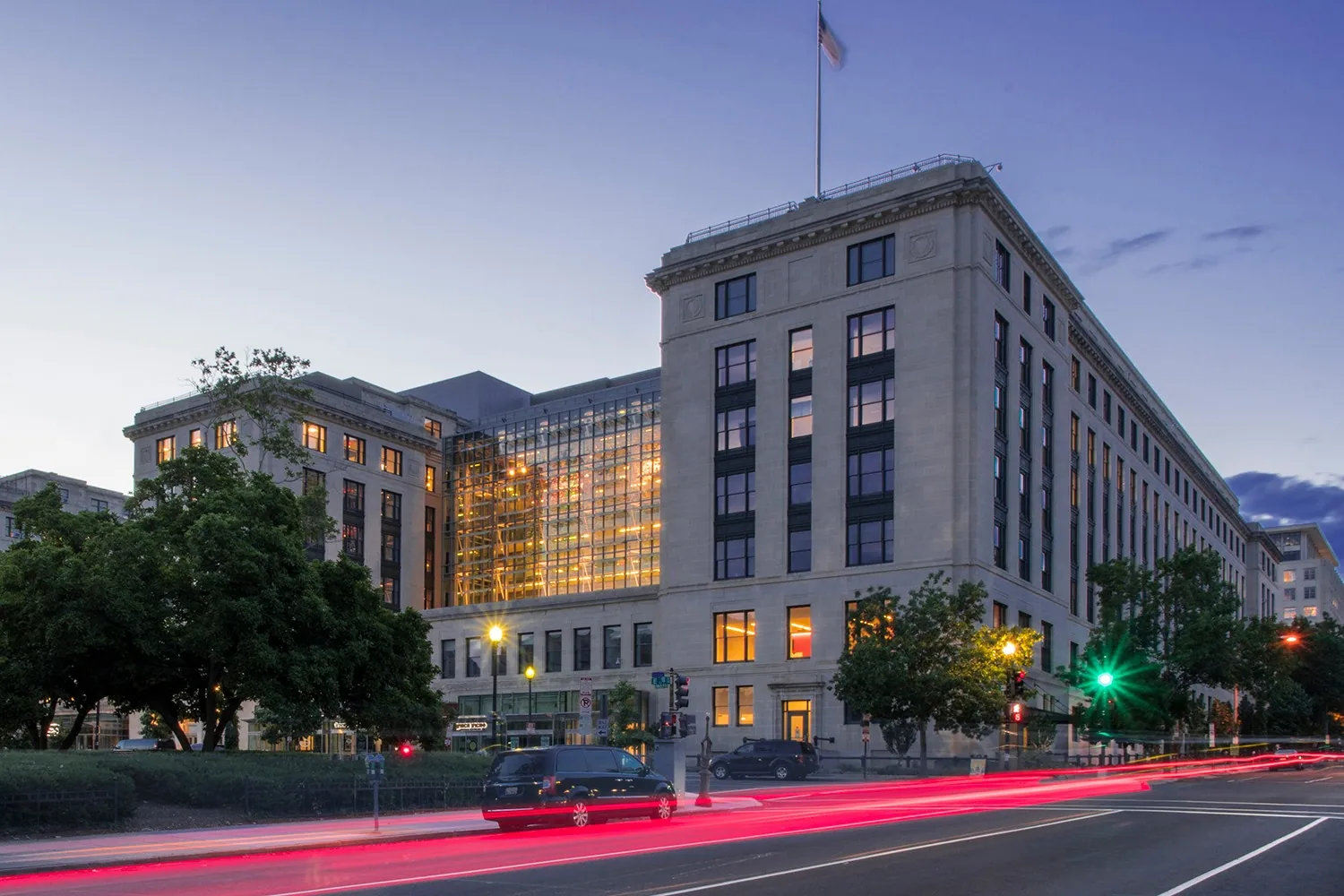
During July 2024, the mean temperature reported for Fresno was 90.0 F. That regional heat history makes thermal movement a useful consideration during an air base roof review, without establishing that a particular roof moved or failed. Metal edges expand and contract, while roof membranes and supporting components respond differently. We examine the allowances for movement, joint locations and attachment condition instead of assuming that extra fasteners will cure an opening. A detail that cannot move as intended may split its seal or distort the metal after the patch is complete.
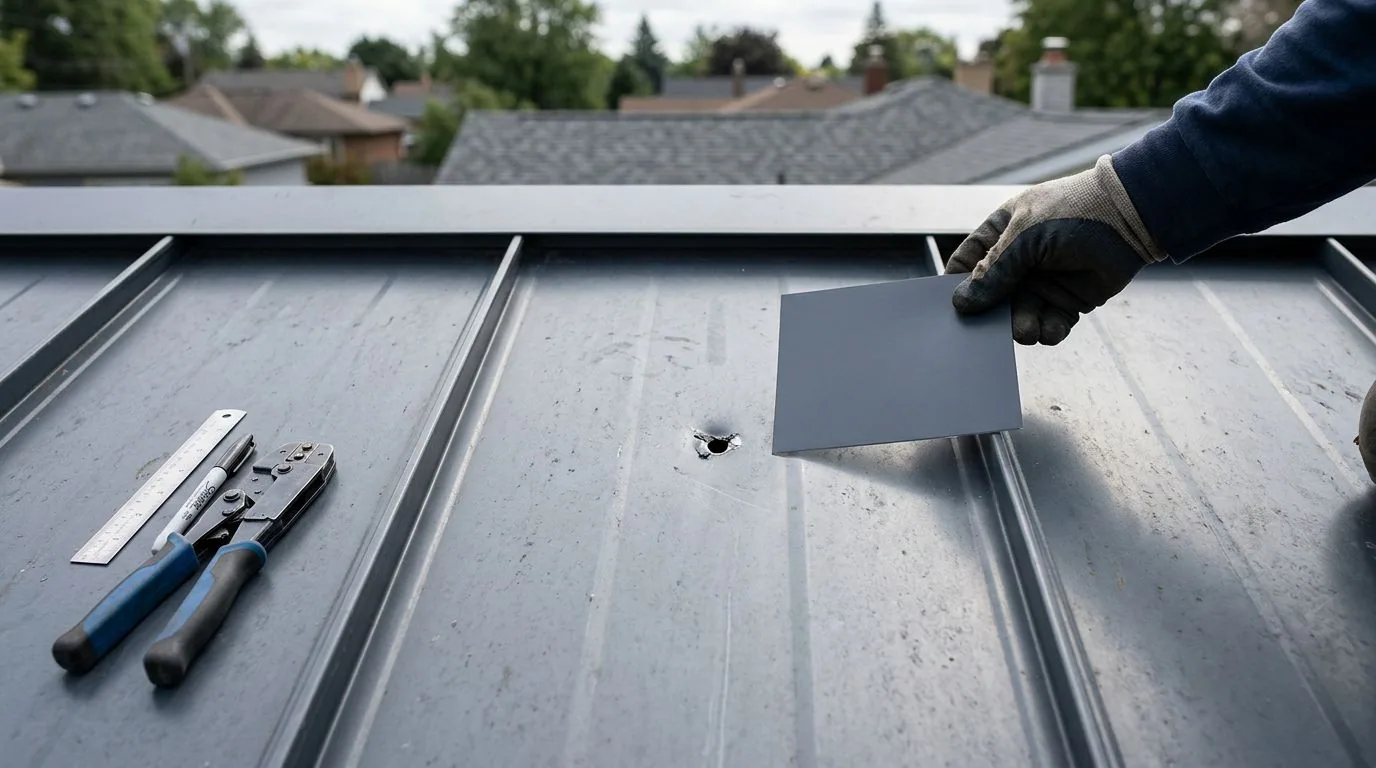
The roof assembly may involve standing seam metal connections, a membrane or another covering, and material identification precedes the repair choice. On a building with a broad aircraft opening, we also examine the roof transition above that opening as a distinct detail. Aircraft hangar roof work requires attention to the opening and structure rather than an assumption that the whole installation shares one roof type.
The approved work area
An escort requirement or a restricted staging location can change the order of work more than the patch size. The installation representative establishes entry, escort and operational rules for the assignment. We coordinate delivery, approved routes and the boundary of the roofing activity with that representative before placing materials. A maintenance building deserves its own review of exhaust, equipment access and roof penetrations, as in military maintenance facility roofing. The building function informs protection arrangements, but it does not establish a clearance, access right or contract award.
For a federal project, the applicable design criteria and acceptance requirements need to be identified in the project documents. We review those requirements against the proposed roof detail and submit questions where the existing construction cannot be reconciled with the intended correction. Scheduling a temporary patch is separate from authorizing a permanent assembly change. A material substitution that affects attachment, fire performance or drainage must follow the project's approval process.
The return visit
Central Valley tule fog can be thickest before dawn, so the start time on a calendar does not establish a dry substrate. We inspect the actual work surface and follow the selected material's temperature and moisture requirements before finishing the edge. The return visit includes a check of the temporary repair, the exposed support and the nearby drainage route. Work in Fresno needs that practical distinction between weather history and today's roof condition.
The final record explains the defect corrected, materials used and any remaining inspection limitation. For a connection extending beyond the opened area, we identify what was examined and what still needs investigation. A written roof condition report can distinguish a completed edge correction from a broader attachment concern, helping the owner plan the next authorized step without treating one successful patch as approval of the entire roof.
Roofing within an Air Force-controlled property requires the project contact to confirm installation access, escort rules, approved work hours and any limits on devices or photography. Requirements can vary by facility and mission, so verify the actual release before bringing people or materials through a gate. The roofing plan should identify the authorized entry, staging location and secured daily stopping point, with time allowed for checks that are outside the contractor’s control. Keep roof observations tied to the released structure and route questions about operations or mission equipment to the installation authority.
Commercial Roofing Questions
Does a loose edge require replacement of the whole roof?
The condition beneath the termination is the deciding evidence. An isolated loose component over sound support may permit a limited repair. Deteriorated blocking, wet insulation or repeated attachment failure extends the work. We explain the exposed findings before proposing removal beyond the immediate defect.
Can the temporary patch stay until the next scheduled shutdown?
We set the return interval after reviewing the remaining condition and exposure. We assess the patch material, the unresolved connection and the forecast before agreeing to a return date. A temporary repair needs a defined follow-up, particularly if it conceals a component that must be opened for the final detail.
Who establishes roof access for the inspection?
The installation's designated contact sets access and escort arrangements. We provide the roofing task, intended equipment and proposed work area for that coordination. Inspection timing remains conditional on those arrangements, so an emergency call does not by itself create permission to enter.
What finding changes an edge repair into an engineering review?
Movement or deterioration in the supporting construction can change the task. We stop short of assigning capacity from a visual roof examination and bring the affected detail to the project design team. Roofing work then follows the accepted correction rather than covering a structural question.
The room and the edge
Describe the room receiving water, any loose metal and the access contact when you call. We review immediate containment and the available inspection route that day, then establish the work that can proceed.
Related Pages
Edge Metal, Coping and Gutters
Read the full page
Standing-Seam Metal Roof Corrections
See how we handle it
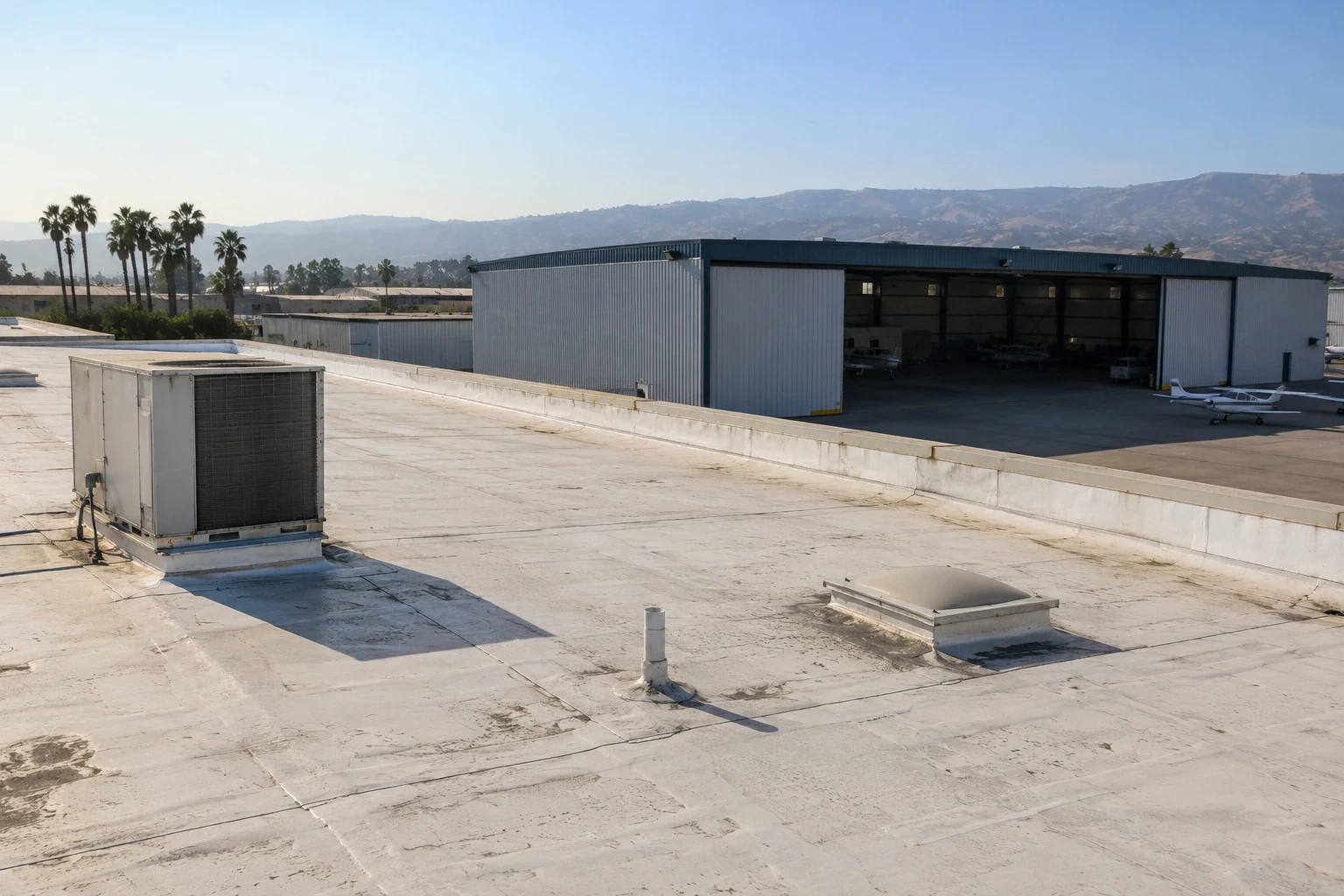
Aircraft Hangar Roofing
Scope, sequence and repair notes
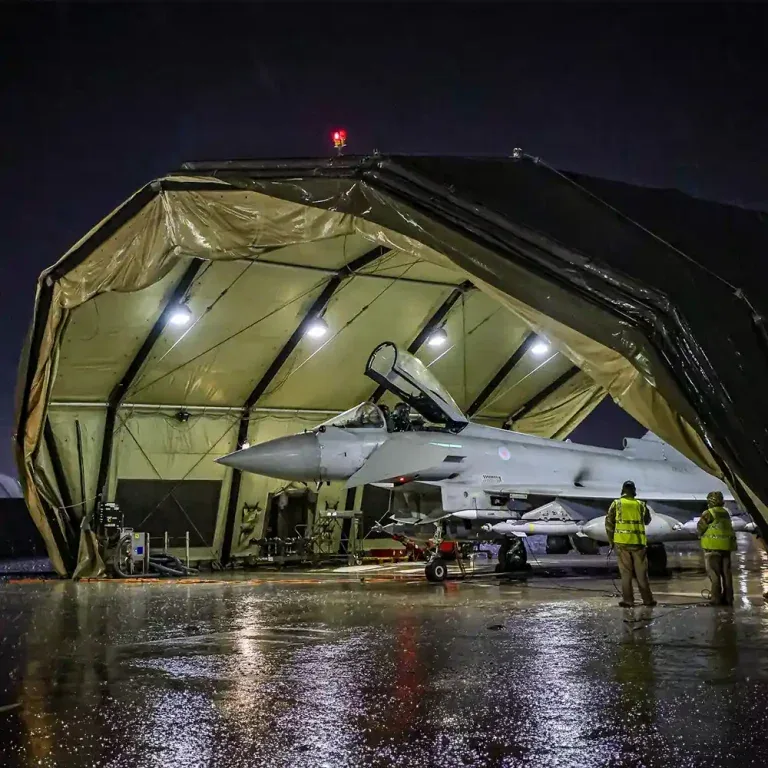
Military Hangar and Maintenance Roofing
Read the full page
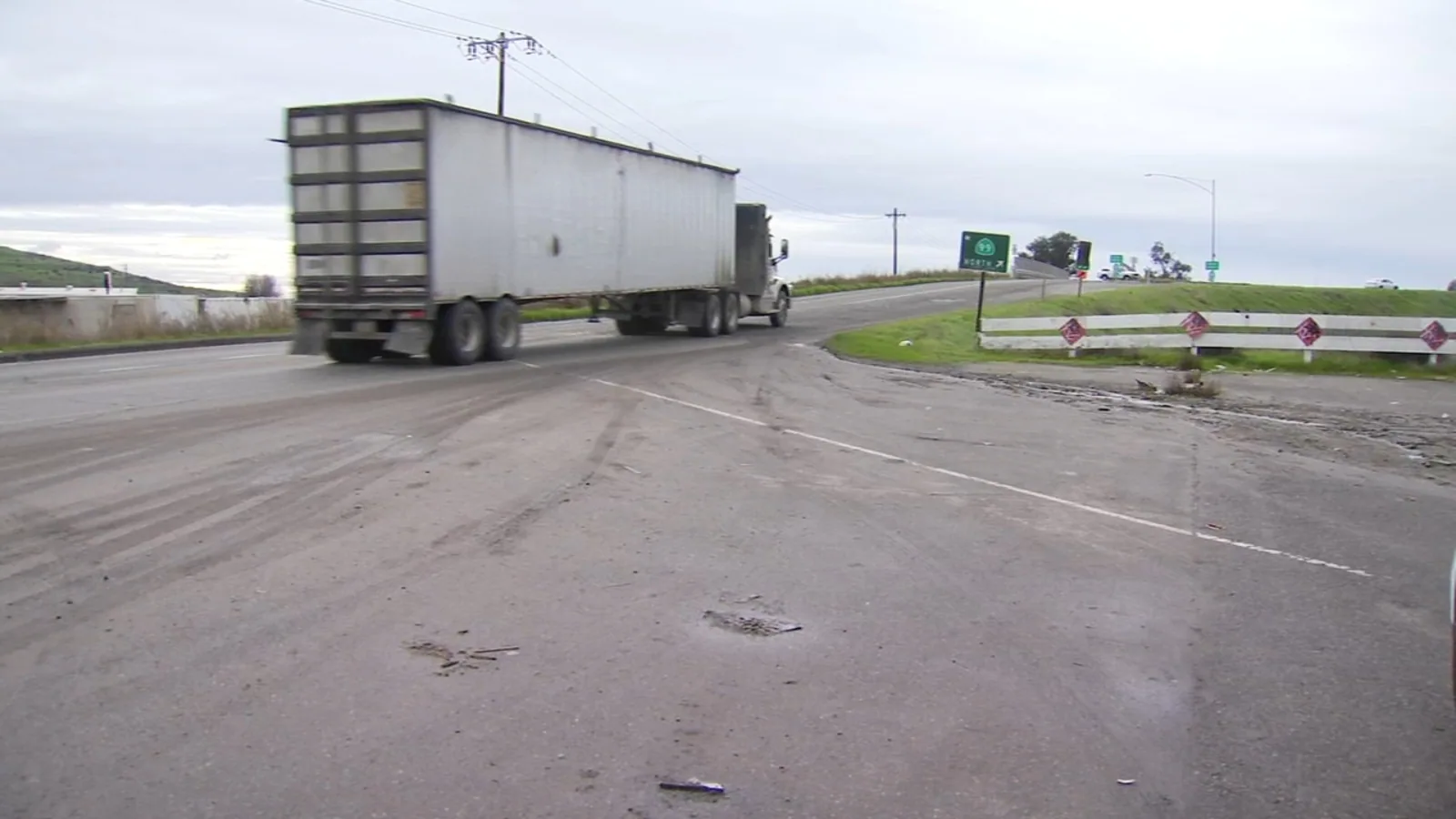
Fresno
See how we handle it
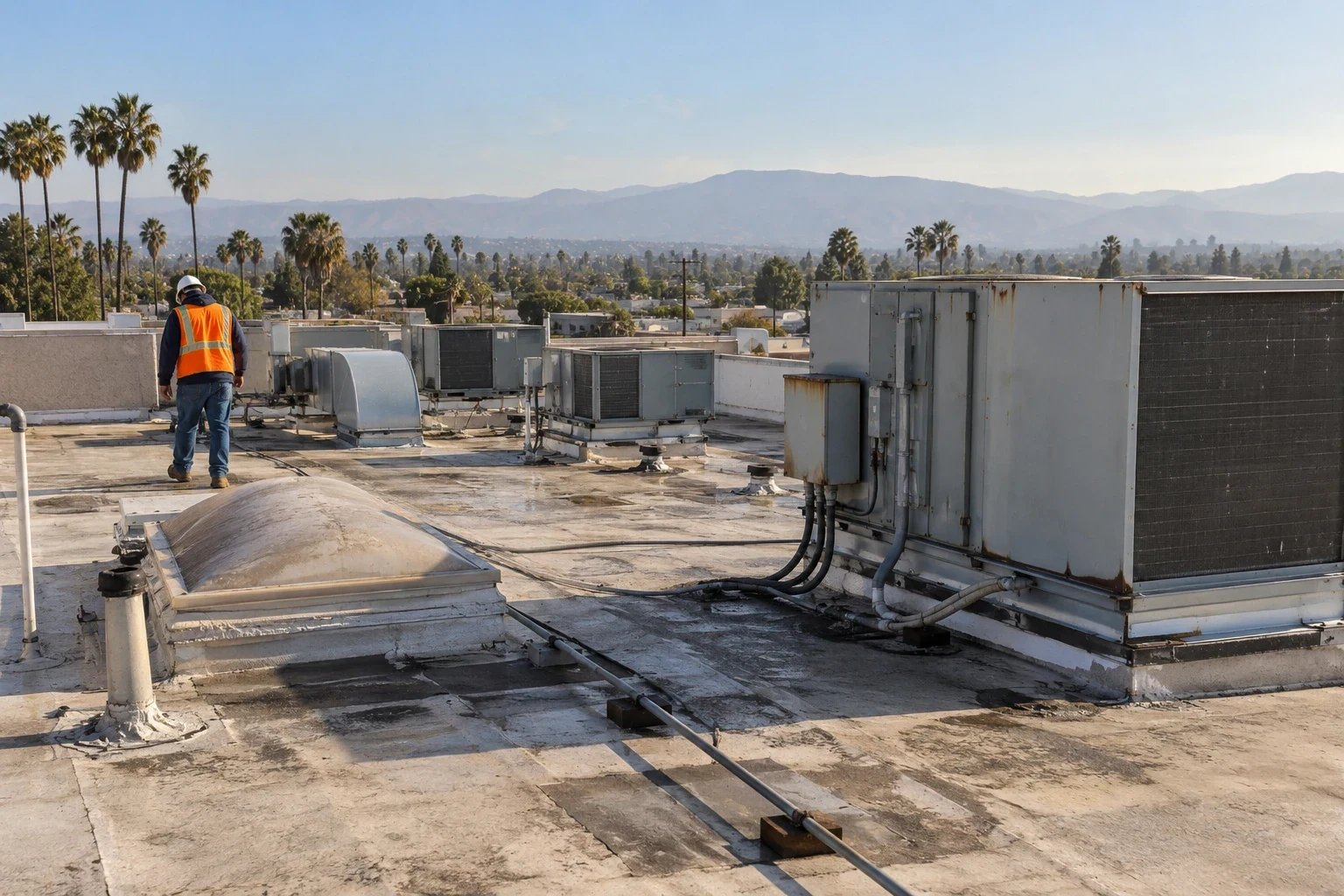
Roof Condition Records and Repair Planning
Scope, sequence and repair notes