
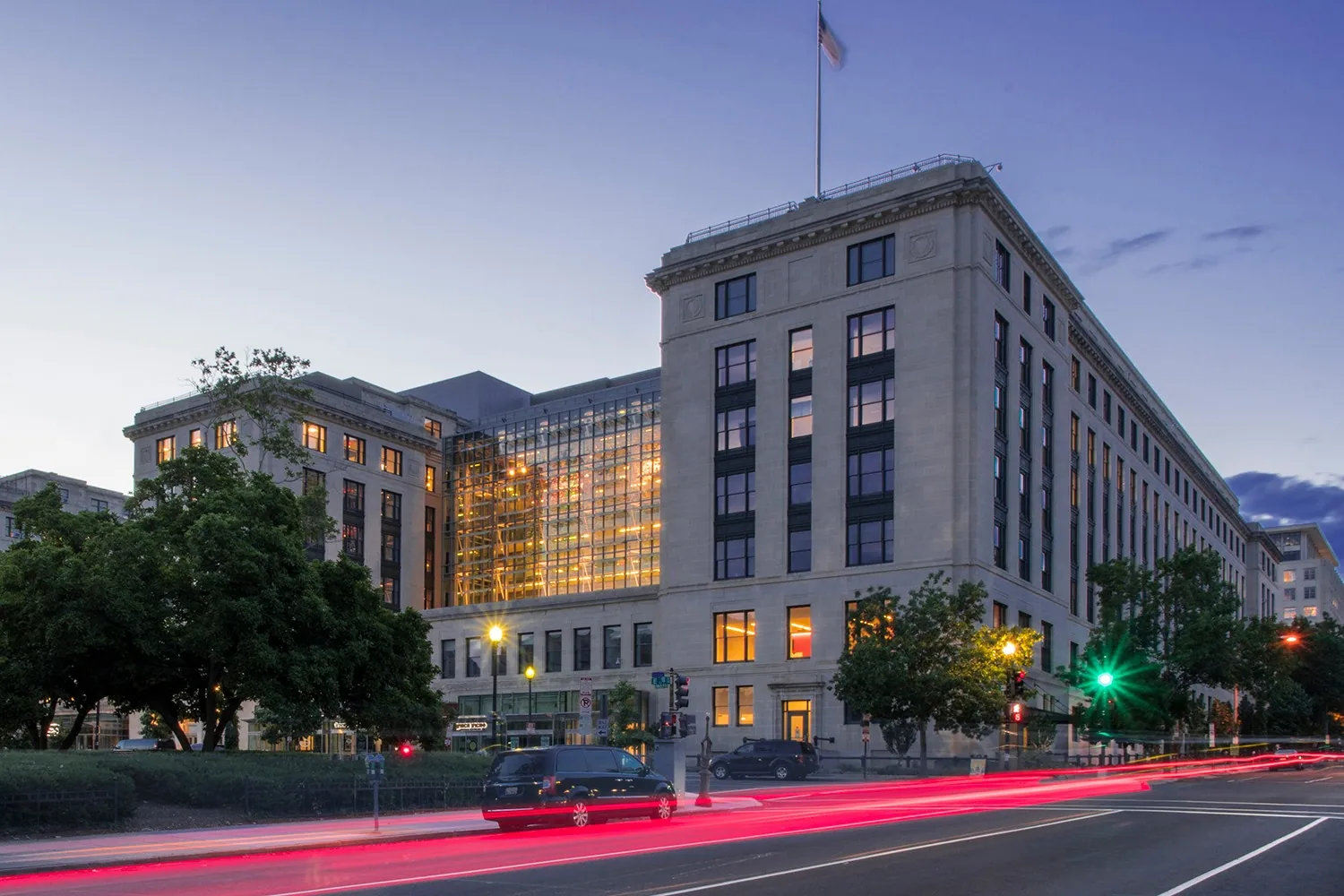
Army Installation Roofing in Clovis, CA
Property Types We Roof
Water gathering beneath a ceiling joint after the first winter downpour can interrupt a storage room before the roof shows an obvious hole. An Army facility manager near Clovis, CA, needs the drain path examined alongside the roof covering, because a low area can hold water long enough to expose a weak seam or wall transition. Fresno was identified as an Army Reserve location in 2025. That regional presence is useful context for an authorized facility assignment, while the actual building, operating restrictions and roof assembly must be established at the project. We begin with the water's timing and extent, then identify the exterior area feeding the complaint.
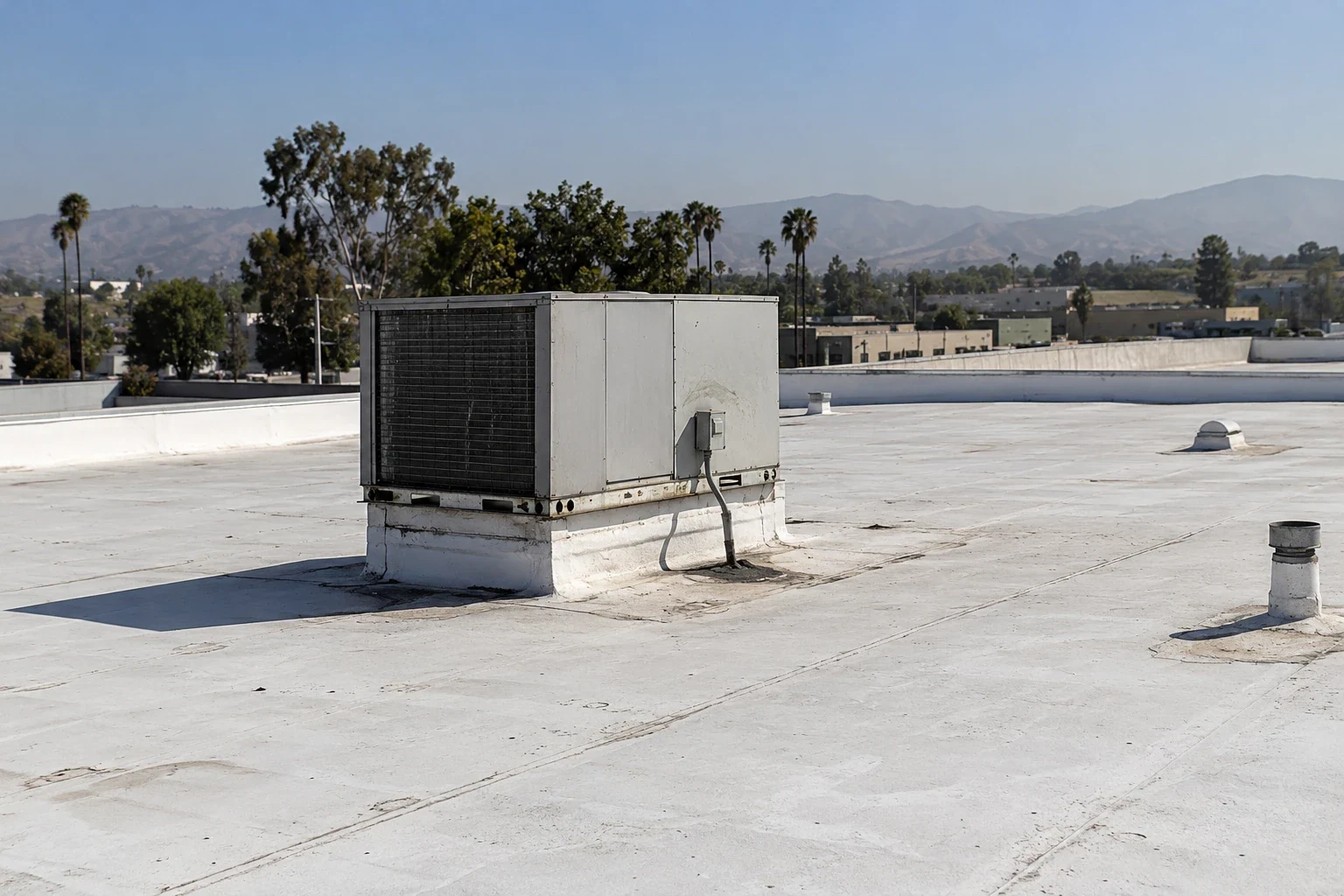
The outlet and its catchment
A drain basket containing debris is a visible finding, but clearing it does not explain whether the roof can move water to the outlet. We examine the surrounding slope, depressions in the covering and the connection between drain body and roof membrane. Water remaining uphill of a clear drain may point to settled insulation, an uneven deck or a poorly formed transition. Drain and scupper corrections therefore start with the drainage route, not simply the size of the opening. Any plumbing restriction downstream requires coordination with the appropriate trade.
The investigation also considers the overflow route where one is provided. A blocked primary outlet can place water at elevations the roof detail was not intended to tolerate. We check visible conditions and compare the arrangement with available drawings, keeping roof observations separate from a drainage design calculation. Changes to outlet locations, roof slope or overflow provisions may need design review. Adding a surface patch to a low corner leaves that question unresolved if standing water continues to reach the repaired joint.
The room beneath the low point
Damp packaging or water beside stored equipment calls for an interior protection decision while the roof investigation is still developing. The facility operator directs movement of contents, restricted areas and any electrical precautions. We coordinate the roofing work with those decisions and avoid assuming that a storage label means the room can be emptied quickly. Warehouse roof protection requires the work area to account for what sits below the suspected entry point. An adjacent administrative space may have a different access route and a separate ceiling inspection.
The roof repair boundary should also account for water moving sideways within the assembly. We compare the interior evidence with surface details and use targeted examination where the condition remains uncertain. Photographs show the discovered defect and the area opened, while descriptions record inaccessible construction. Moisture testing can support that boundary, but a scan alone cannot prove that every hidden layer is dry. Where the roof cannot be safely examined during rain, interim containment and a scheduled investigation remain separate tasks.
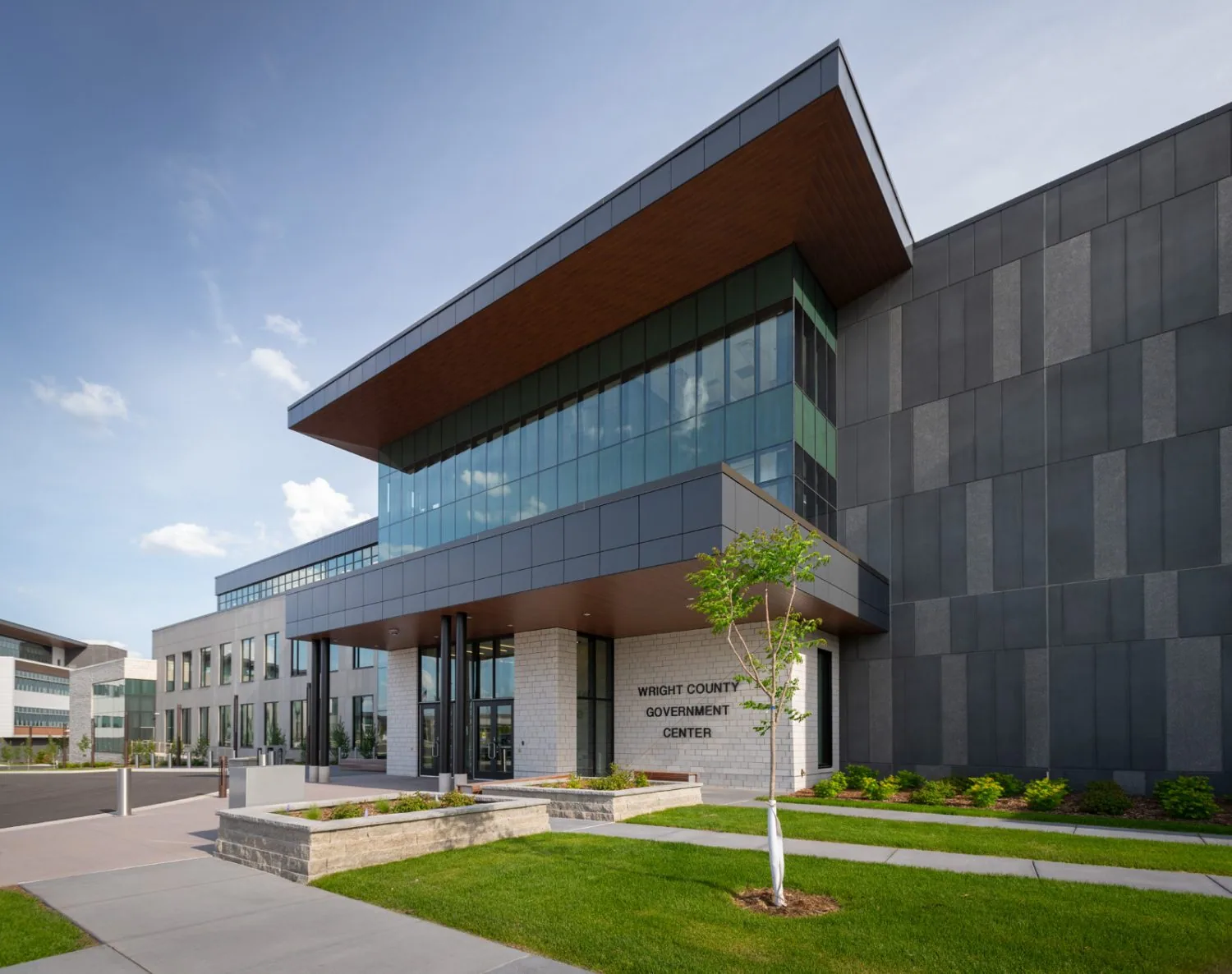
The wet insulation boundary
A compressible area beside a drain can indicate deterioration, although softness needs investigation rather than a diagnosis from one footstep. We examine the covering and support, then plan approved sampling or opening if the repair depends on knowing the insulation condition. Infrared moisture investigation can help locate suspect areas under suitable conditions, followed by confirmation where appropriate. Wet insulation should not be enclosed beneath a repair simply because the upper membrane has dried.
Removal limits affect cost and timing because saturated material may extend beyond the indoor leak. We identify the sound substrate available for the repair connection, any damaged deck requiring further assessment and the sequence for closing each opened area. A permanent correction may combine insulation replacement, a rebuilt drain detail and membrane work. The proposal explains those tasks individually, so clearing the outlet does not hide the separate cost of restoring the damaged roof assembly.
The Army project sequence
A delivery route passing through a controlled area can limit how much roof material is brought in at one time. The project representative establishes entry arrangements and operational constraints, then we align the roofing phases with the approved staging and removal routes. Equipment or materials should not obstruct drainage while waiting for installation. At a building adjoining government administrative space, we also coordinate the occupied side of the work boundary, including ceiling access and the reporting route for a new leak.
The governing documents determine the applicable criteria for the permanent work, including federal roofing requirements where specified. We compare the intended drain detail and assembly with those documents before changing the design. The project's inspection and acceptance process may require checks before a connection is covered. That sequence belongs in the work plan, along with any limits on noise, interior access or equipment operation established by the facility.
The nearby Fresno Air National Guard Base represents a separate military operator, so an Army facility assignment requires its own contact and project arrangements. We confirm the assigned building and the permitted work area directly with the Army project representative before interpreting a regional location as a ready inspection destination.
Seasonal closure and follow-up
July 2024 brought Fresno a reported mean temperature of 90.0 F, a regional reminder that a repaired membrane will face substantial summer heating after the wet season. We select a compatible connection with the actual covering and account for its movement, rather than rely on a thick smear across the drain flange. In Clovis, the useful question is whether the assembly and outlet will perform together through the next period of exposure. The surface color alone does not answer that question.
A follow-up check after drainage correction looks at the outlet, repaired connection and any previously retained water. We explain the remaining observations needed and record limitations where a rainfall check or concealed-layer examination has not occurred. Drainage findings in a condition report give the operator a defined basis for maintenance. Our phone remains available at all hours, including holiday periods, for an active leak report; roof attendance and the repair method depend on access and safe working conditions.
On an Army installation, access sponsorship, escort coverage, vehicle inspection and material delivery procedures should be confirmed with the responsible project office before mobilization. A gate approval does not automatically release a roof, interior space or adjoining facility. Identify each building and work zone covered by the authorization, then follow the required daily sign-in and closeout process. If a concealed condition requires added access or photography, stop and obtain the proper approval before expanding the scope. This keeps the roofing record specific to the authorized work and avoids assumptions about installation-wide permissions.
Commercial Roofing Questions
Will cleaning the drain end the leak?
The drain connection and retained moisture decide whether cleaning is sufficient. Debris removal may restore flow while a split flashing still admits water. We inspect both conditions and distinguish the maintenance task from repair of the waterproof connection or damaged insulation.
Can new insulation be placed over a damp area?
Enclosing moisture requires a different evaluation from laying material on a dry roof. We establish the affected layers and removal boundary before proposing the assembly. Saturated insulation or a damaged deck can prevent a sound repair even where the visible membrane has stopped dripping.
What information helps identify the drainage area?
The room location and the time water appeared give the investigation a starting point. Tell us whether water continued after rainfall stopped and whether the outlet overflowed. We relate those observations to the roof layout rather than assume the nearest visible drain serves that room.
Does an Army assignment change the roof detail?
The project's accepted design requirements govern the detail. Existing materials, drainage needs and facility restrictions still require examination. We review the specified criteria and approval steps before proposing a change, so an operationally convenient patch does not become an unapproved permanent assembly.
The low area and the leak
Call with the affected room, the rainfall timing and the facility access representative. We discuss immediate loss control that day and arrange the drainage investigation within the approved entry and work conditions.
Related Pages
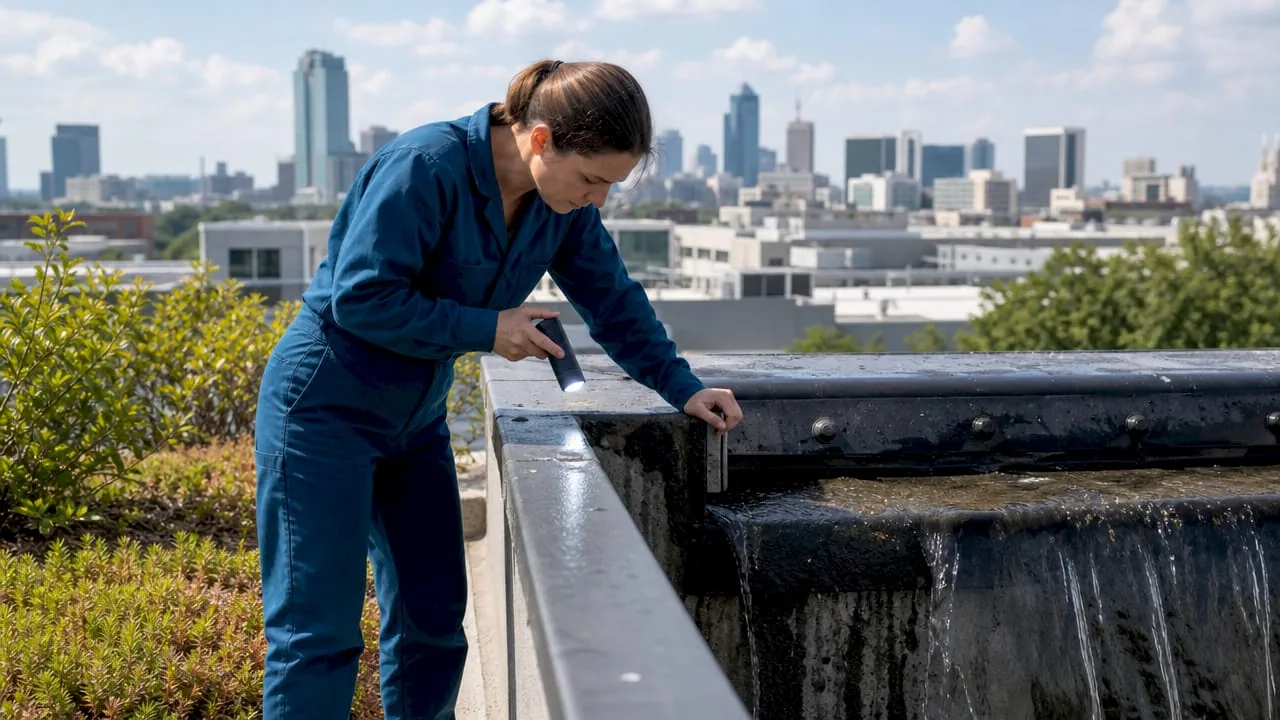
Roof Drains and Scuppers
Read the full page
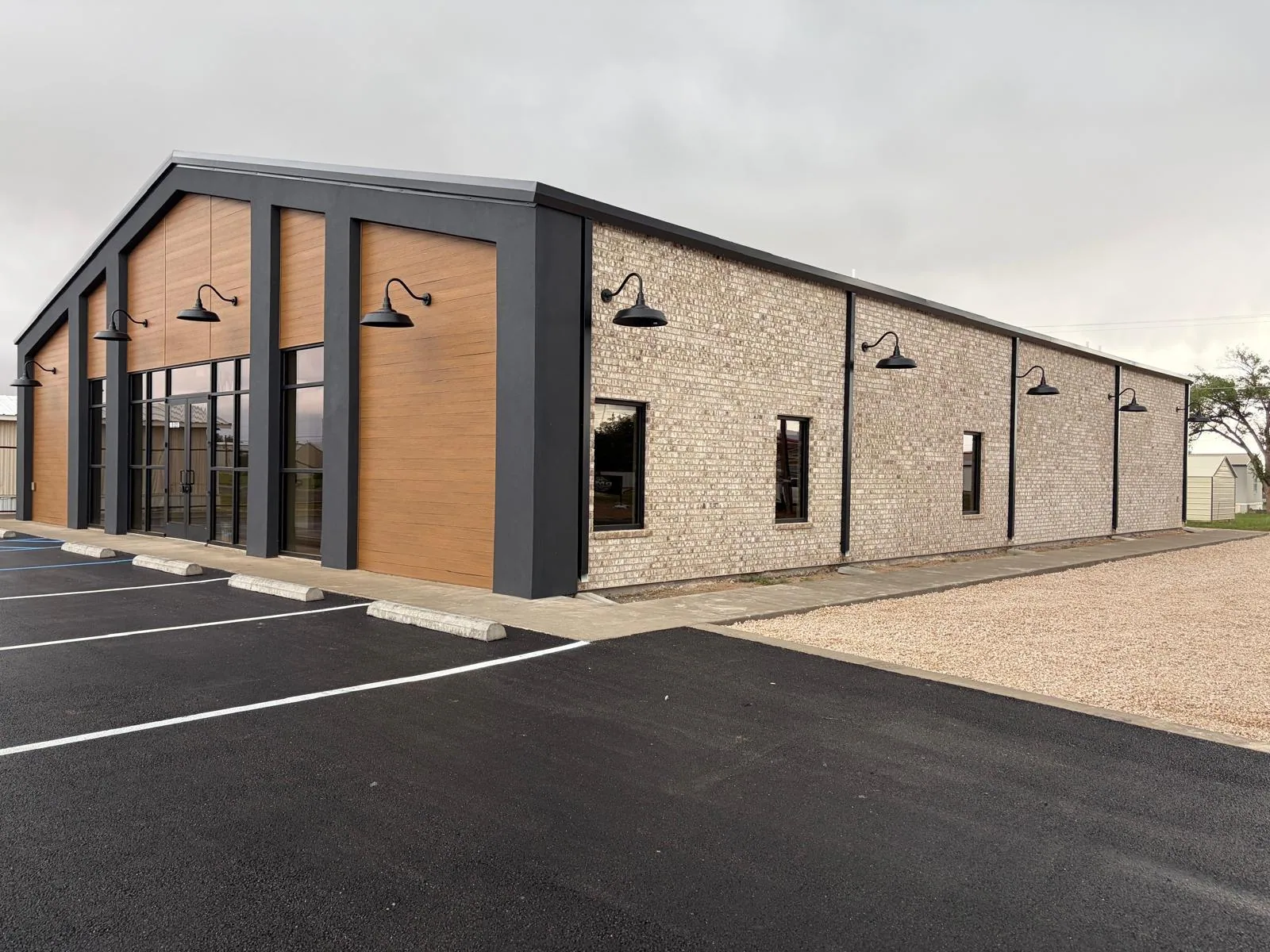
Warehouse Roof Leaks and Repair Sequencing
See how we handle it
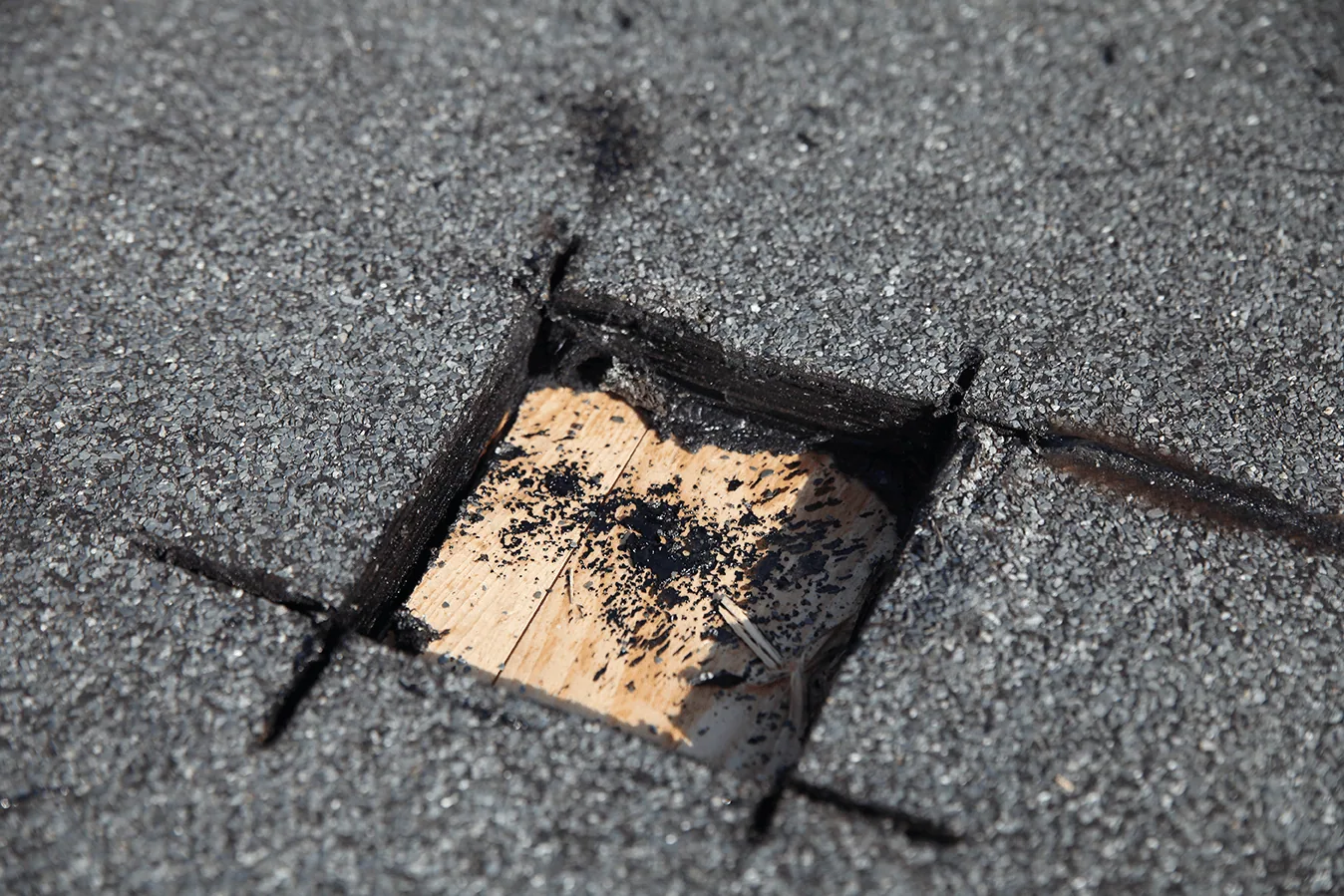
Infrared Roof Moisture Survey
Scope, sequence and repair notes
Government Building Roofing
Read the full page
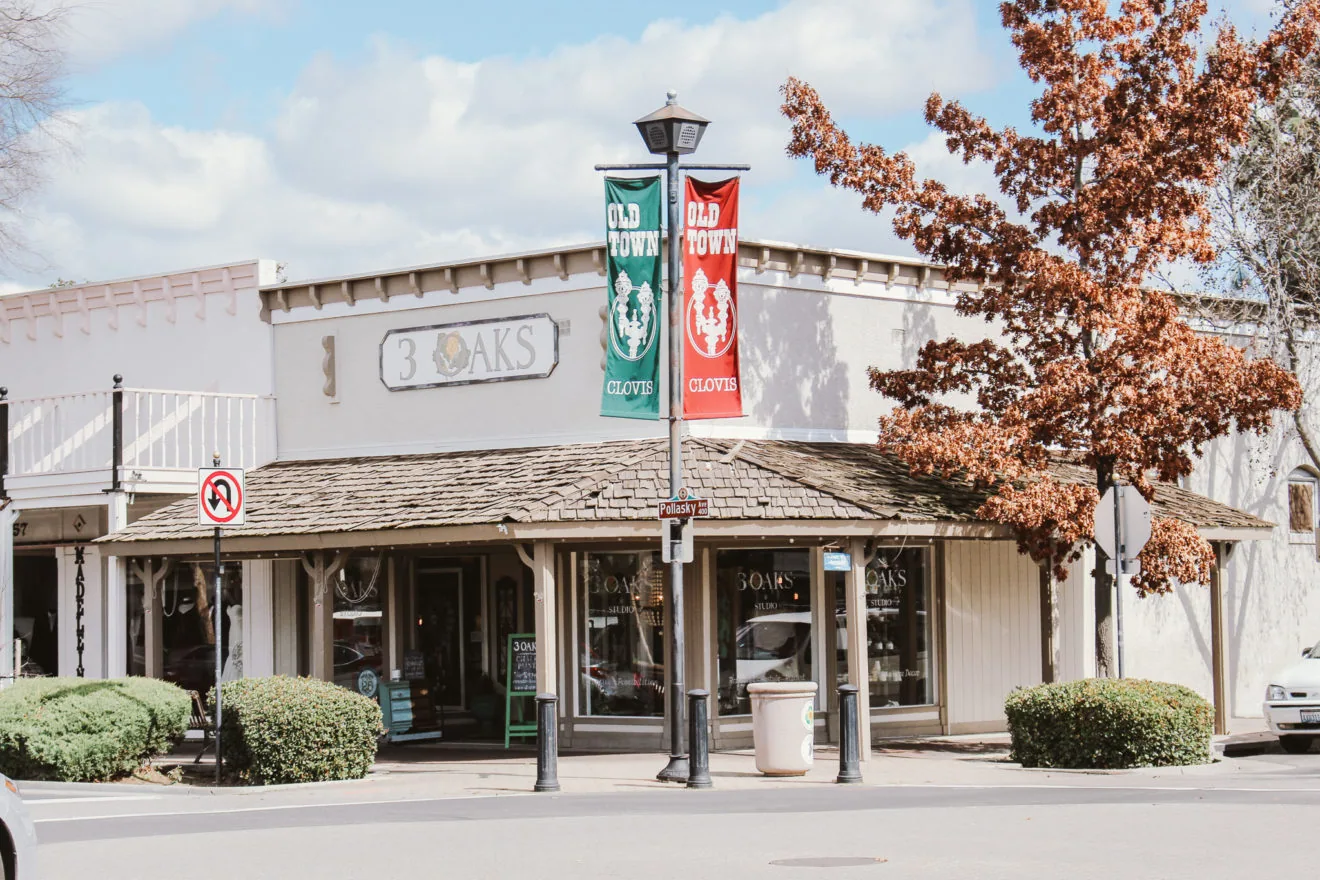
Clovis
See how we handle it
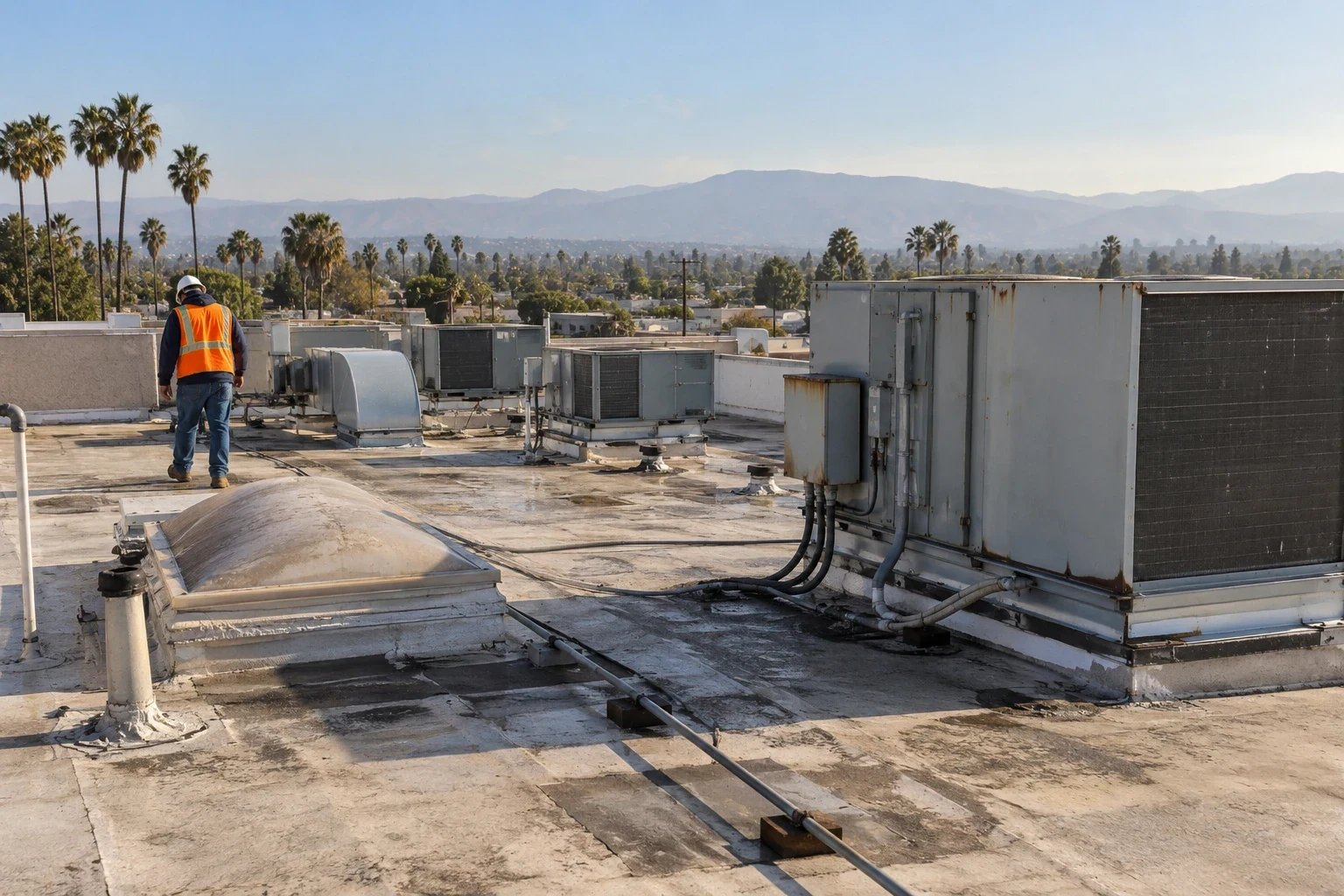
Roof Condition Records and Repair Planning
Scope, sequence and repair notes