Grocery Roof Repairs Above Protected Stock Areas
Property Types We Roof
Rainwater landing near grocery stock can make product protection urgent while leaving the roof entry uncertain. We ask where the water reaches, what the operator must isolate and which roof route can be released, then examine the possible source without treating the ceiling mark as the repair boundary. Grocery store roofing in Clovis, CA, needs a defined protective task followed by a compatible permanent connection, with food handling and equipment decisions kept with the authorized store personnel.
Clovis retail activity along Shaw Avenue includes different store layouts and operating schedules. Grocery roofs can include refrigeration equipment, kitchen exhaust and service routes that need separate coordination. The store operator identifies food-handling areas and receiving hours; the mechanical trade confirms any shutdown or line work. We connect the roofing recommendation to the drains, curbs and membrane inspected at the actual store.
The protected goods and examination route
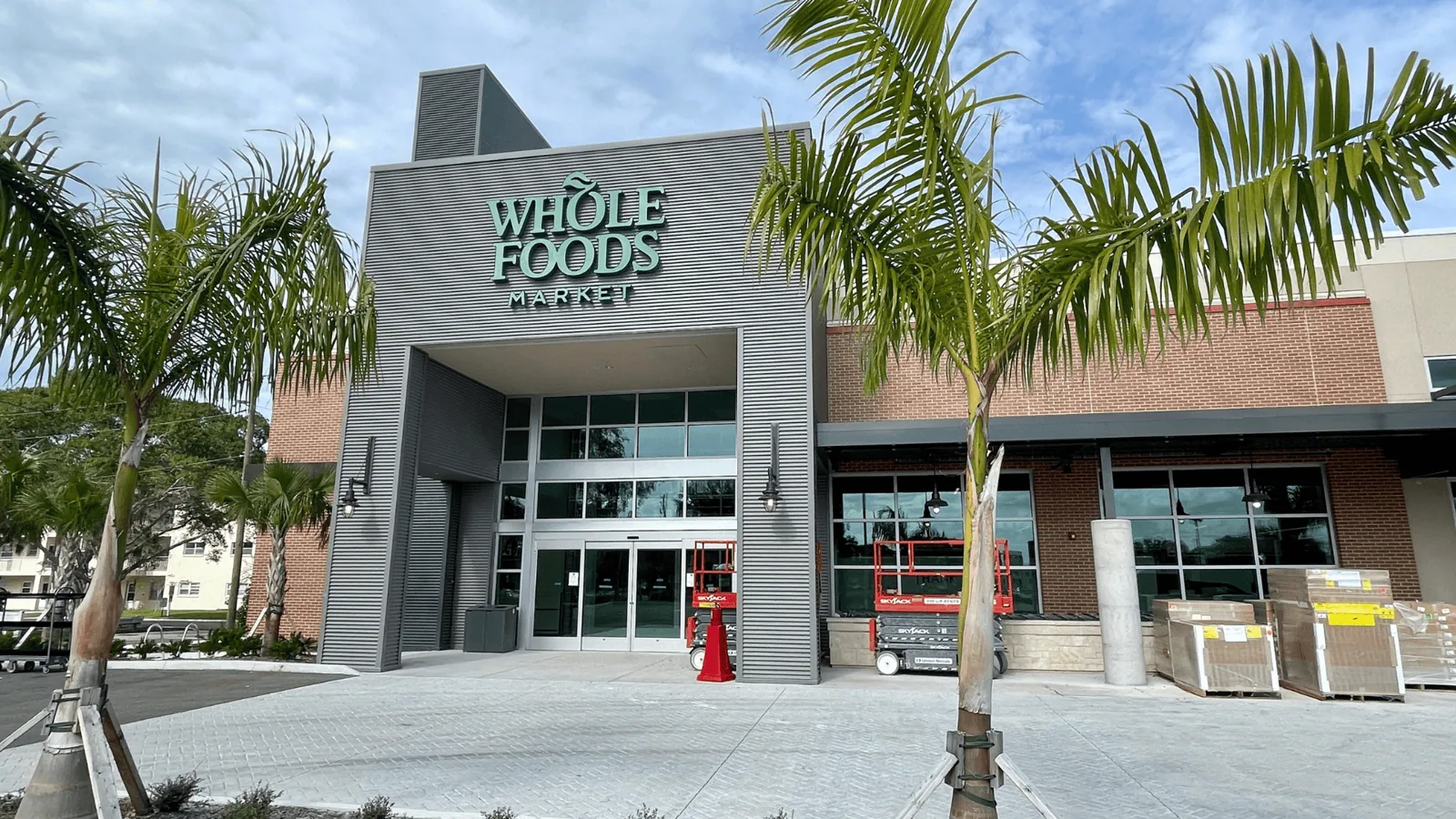
The store operator decides how to protect, isolate or move affected goods and whether a receiving area remains usable. Our roofing task begins with a description of the reported water contact and the area beneath the intended opening. A protected stock route can restrict waste movement or delivery access, and those restrictions need confirmation before selecting equipment. The examination should fit the permitted route rather than assume that a service entrance is available throughout construction.
For roofing over an operating grocery space, align each removal zone with preparation and dependable daily closure. Include any repeated setup needed when the operator releases only part of the area. A price for unrestricted access cannot be compared fairly with one that includes these operating obligations unless the difference is visible. The owner should know which protection is a roofing responsibility and which must be arranged by the store before material is opened above goods or an occupied room.
The penetration detail and equipment responsibility
A pipe, curb or other penetration can have a roofing connection that needs correction, if the examination finds a defect there. Water near equipment may also originate from a separate system. We compare the reported timing and accessible details before treating it as rain entry. The qualified equipment personnel control isolation and any work on their system, while the roof scope identifies the flashing or membrane connection that roofing can examine and repair under the authorized release.
With grocery roof curb and support work, establish the actual curb, receiving material and any connection that another trade must provide. A new flashing detail cannot correct an unresolved equipment drain or unsupported movement. If equipment cannot be released, record the limitation and select a permitted temporary intervention where appropriate. Permanent work should retain that dependency in its sequence and price, so a small roofing allowance does not imply completion of a separate mechanical task that remains unapproved or unexamined.
A grocery operator on Shaw Avenue Commercial Corridor can use a roof-zone map to coordinate stock protection with deliveries and refrigeration work. A Blackstone Avenue store should receive a separate map and repair scope, since each building has its own equipment, tenant boundary and drainage path.
The stock room and wider retail roof
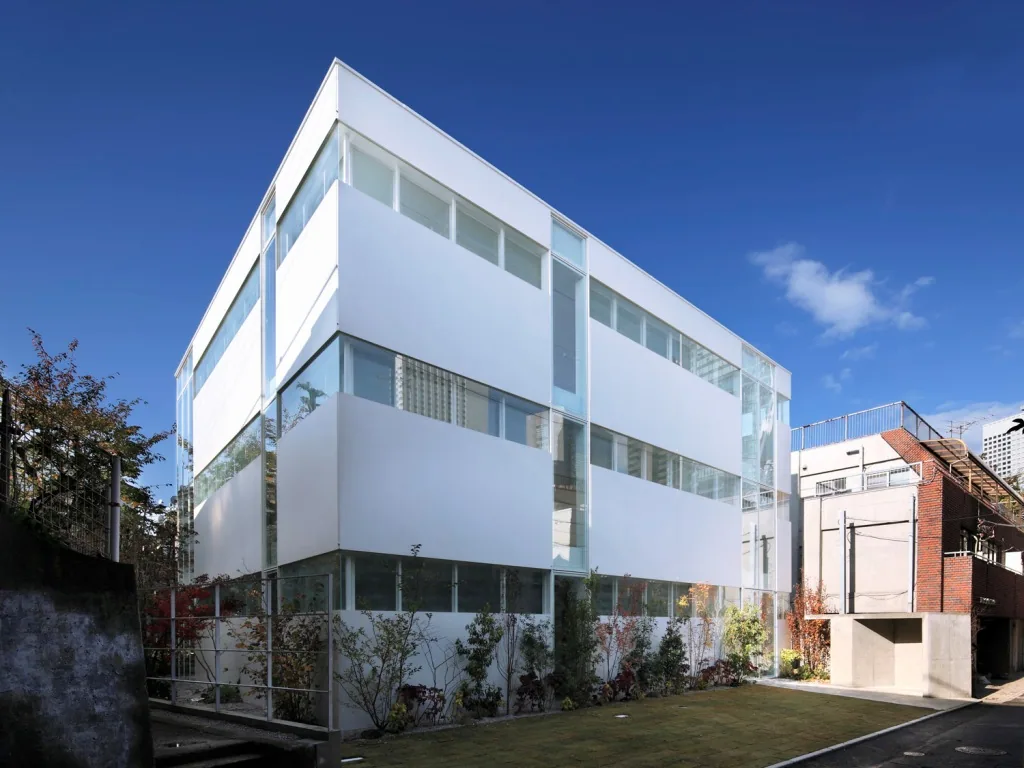
An interior complaint may occur beneath a roof area that also serves another use. The lease arrangement or store name alone does not identify its drainage boundary. We locate the roof level and accessible connections, including changes in height and outlets that may affect the path. If examination extends beyond the store's released zone, obtain the responsible owner's permission rather than transfer the tenant's access approval to the whole building or adjoining space.
Similar shared retail roof complaints and large store roof repair zones require their own supported boundaries. A common owner can coordinate routes while keeping actual assembly findings separate. The price should identify whether the correction treats one penetration, a connected flashing run or a larger receiving area. This makes the proposed extent reviewable and gives additional concealed findings a measurement and approval process instead of permitting the construction quantity to expand solely because another room has reported water.
The concealed layer and permanent receiving surface
The membrane surface may look serviceable around a defect while a concealed layer changes the preparation needed for a permanent patch. Where that condition matters to the proposed work, obtain a suitable authorized investigation and include closure of its opening. A single observation supports its located finding, not the condition beneath every stocked room. We identify the retained layer and selected detail before turning an urgent protection allowance into a fixed permanent repair price.
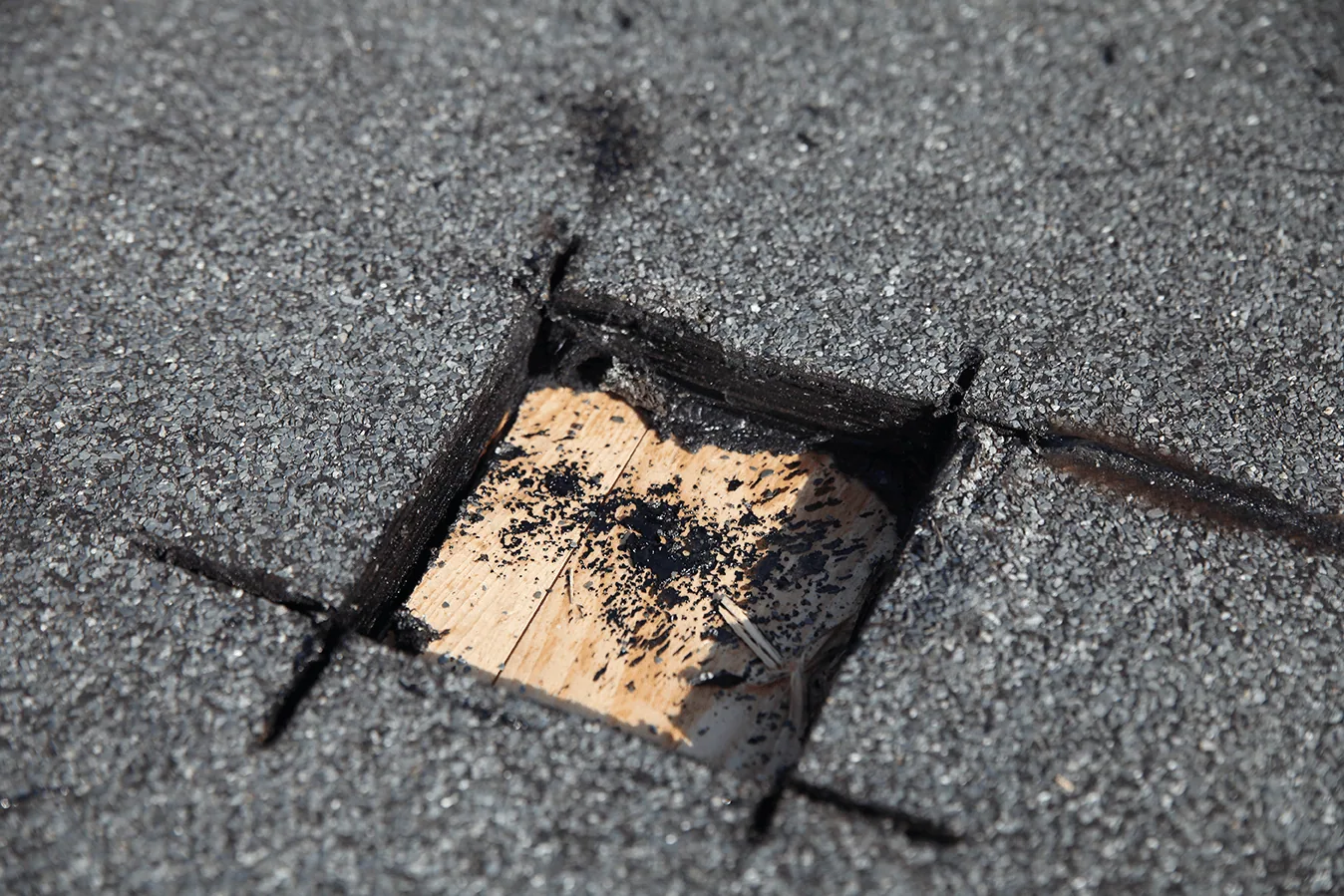
A grocery roof moisture examination can help direct confirmation when conditions suit the method. Keep the thermal indication separate from the confirmed material findings. Price disposal, drying or replacement preparation according to the supported condition and actual system requirements. If access prevents confirmation, state the uncertainty and next method. The owner can then compare the immediate task and permanent follow-up without assuming that a coating or patch can bond reliably to a receiving assembly that has not yet been established.
The fog season and temporary closing detail
Winter tule fog in the Central Valley can be thickest before dawn and thin with daytime warmth. That regional context helps explain why preparation must follow actual conditions, but it does not establish moisture on this store's roof. Inspect the surface and follow the chosen material's requirements. A planned hour is not proof of application suitability, and temporary protection should meet compatible receiving material rather than conceal a preparation problem that the permanent task will still need to resolve.
For grocery roofing requests in Clovis, we review the exposure and available release before arranging intervention. Urgent response extends through nights, weekends and holidays, with safe access and conditions controlling the work that can be performed. Mark the temporary correction and record the remaining permanent task. The owner should know whether further examination, surface preparation or an equipment release is required, particularly when the store needs a short-term protective measure while the permanent detail cannot yet be accepted.
The roofing closeout and operator release
At completion, inspect the repaired connections and any outlets affected by the task, then link the finished work to the original complaint and roof markings. The store operator controls stock disposition, room reopening and equipment return where applicable. Those releases do not replace acceptance of the roof detail, and completed roofing does not establish that separate interior or equipment work is finished. Keep inaccessible zones and unresolved water sources visible in the closeout rather than absorb them into a general completion statement.
A grocery roof repair record should explain the examination, supported quantity and remaining responsibilities in usable terms. Confirm any warranty notice or alteration approval against the actual property and agreement. Required repair, optional upgrades and operator obligations belong in distinguishable parts of the proposal. The next visit can then address a recorded task without repeating the whole complaint or reopening a pricing assumption, while the owner retains a clear account of what was actually authorized and completed above the affected area.
For an owner with both a Shaw Avenue Commercial Corridor location and a Blackstone Avenue Commercial Corridor location, we keep the repair maps separate and verify each store’s own equipment and access rules.
Commercial Roofing Questions
Who releases goods beneath the proposed roof opening?
The store operator controls stock protection and disposition. Roofing exposure must be coordinated with that release before removal.
Does water near equipment establish rain entry?
The source and confirmed connection are the deciding factors. A separate equipment system may need qualified investigation.
Can a tenant authorize examination of every adjoining roof?
Seek the responsible owner’s permission for the actual route and zone. A store release does not automatically extend across lease boundaries.
What should a permanent grocery repair price include?
Show supported removal, receiving-layer preparation, compatible closure and access duties. Record unresolved equipment or concealed conditions separately.
The grocery water-contact request
Describe the affected stock area, water timing and operator who can release the work. We assess urgency that day and arrange a suitable roof examination or temporary intervention under the available conditions.
Related Pages
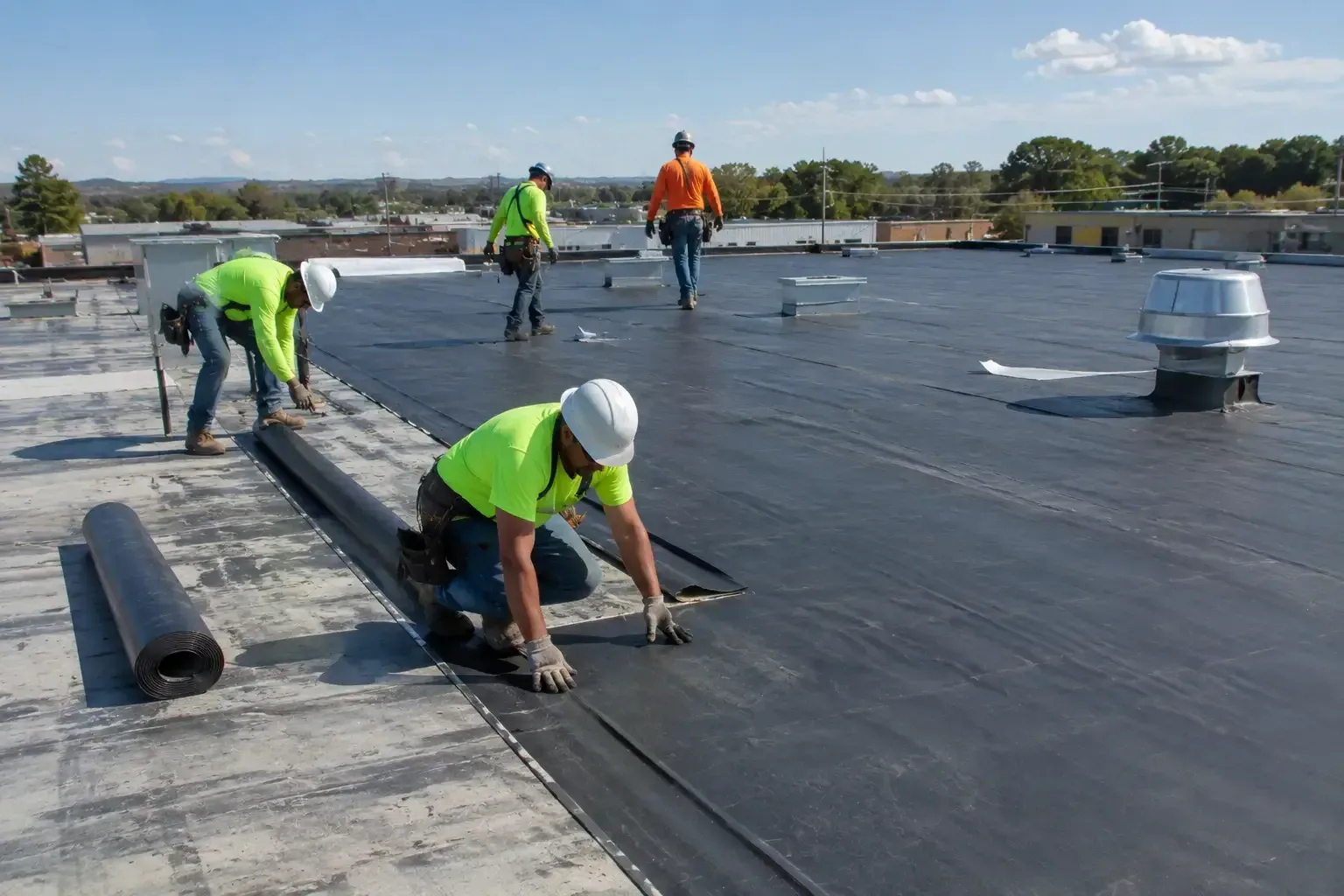
Occupied Building Reroofing
Read the full page
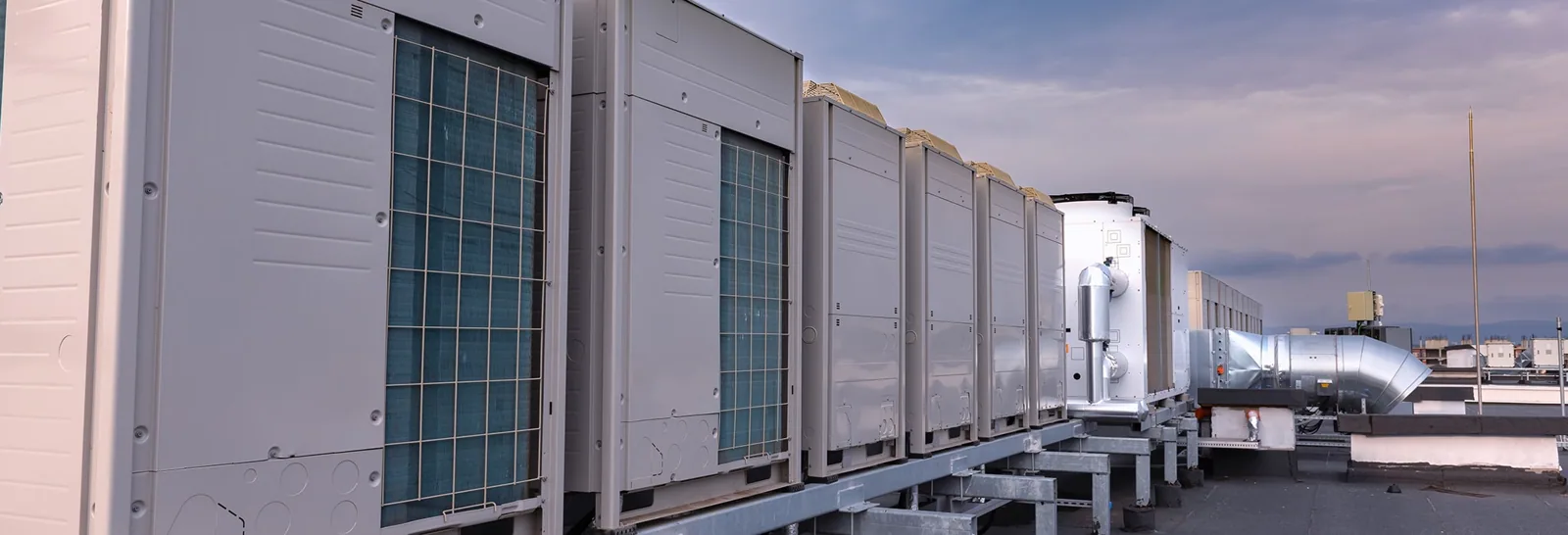
Rooftop Equipment Curbs and Supports
See how we handle it
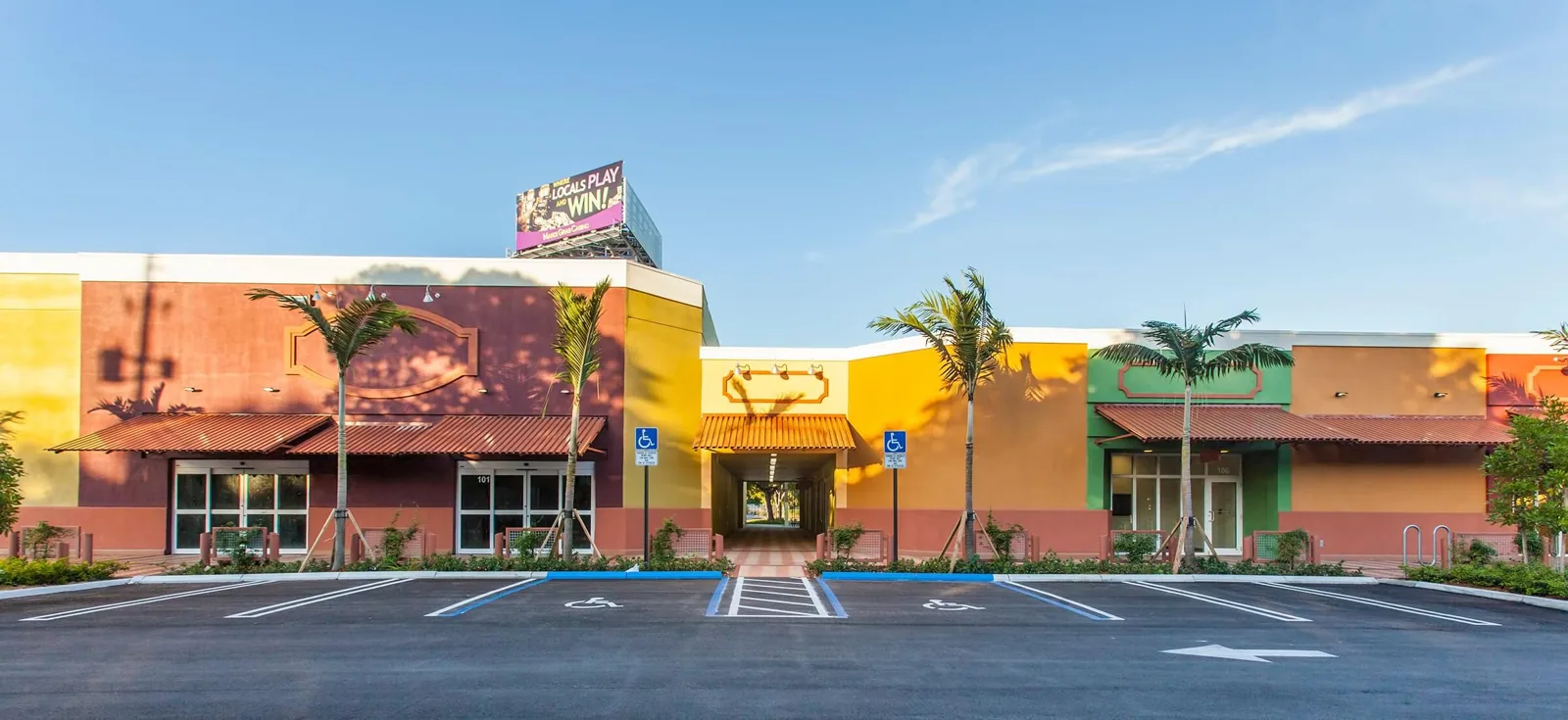
Shopping Center Roof Repairs Across Lease Boundaries
Scope, sequence and repair notes
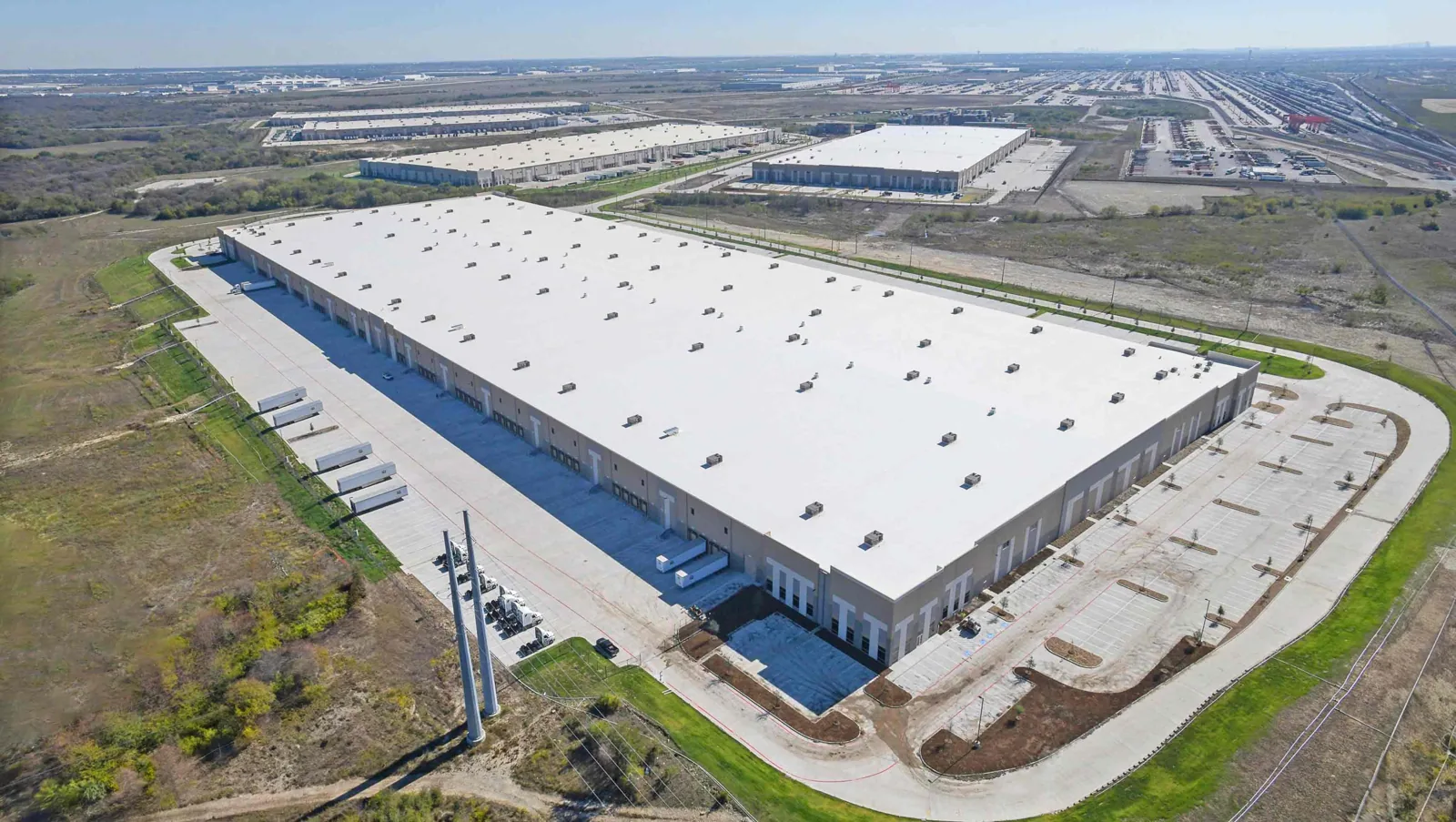
Large Retail Roof Leaks and Supported Removal Zones
Read the full page
Infrared Roof Moisture Survey
See how we handle it
Clovis
Scope, sequence and repair notes