
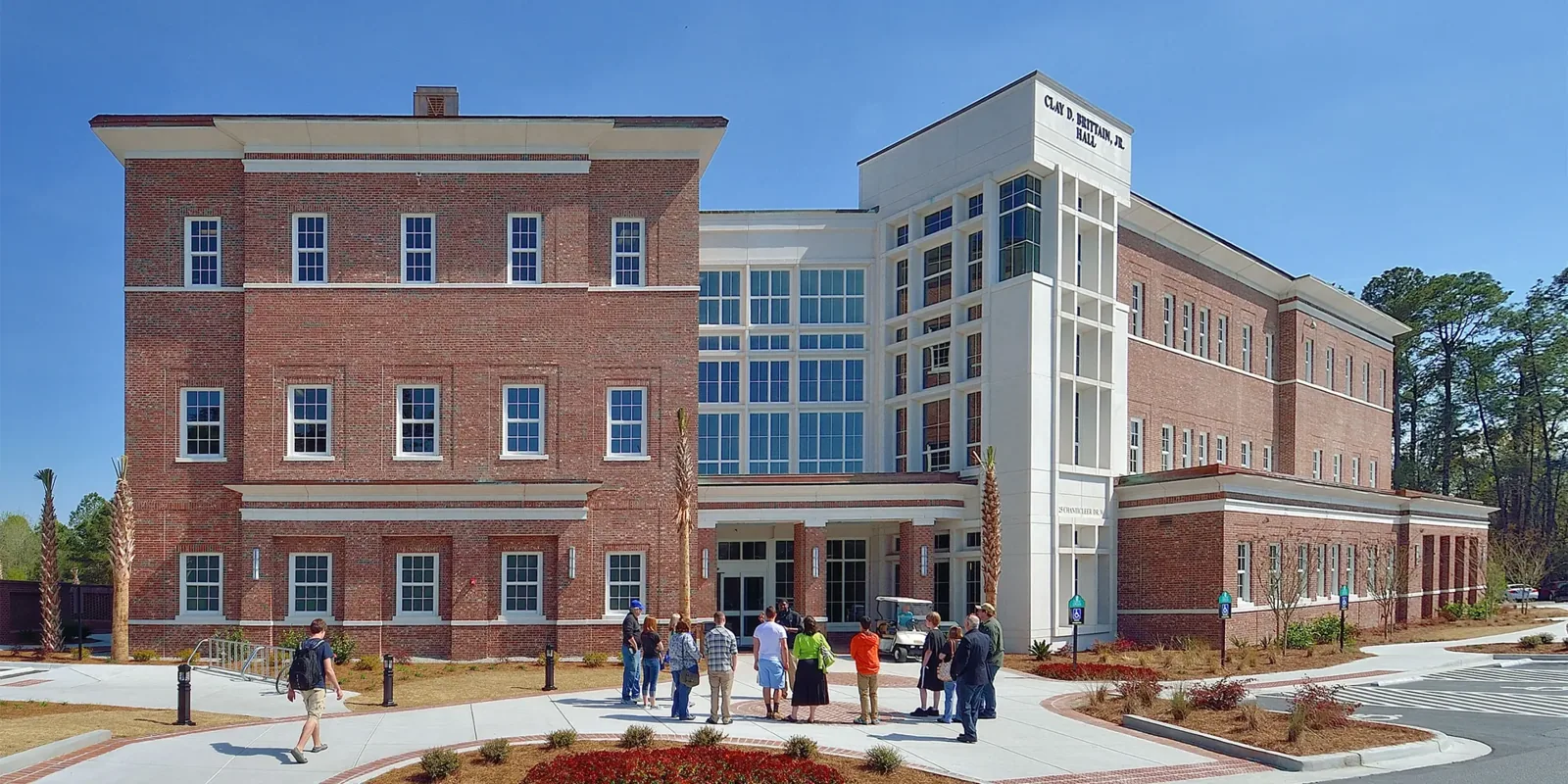
College Roof Repairs With Building-Specific Releases
Property Types We Roof
A new drip beside teaching equipment during winter rain can turn a college owner's attention to the room below before the roof detail is known. We establish the affected building, operator requirements and permitted examination, then follow the possible water route through the assembly. For college and university roofing serving Clovis, CA, a temporary measure should reduce the immediate exposure while leaving a clearly identified permanent task, rather than a repair assumption extended across the campus.
Clovis Community College serves students across the region. State Route 168 and State Route 180 connect Clovis with the Fresno region, but those travel corridors do not determine which campus operator can release a roof area or approve an access plan.
The room use and examination sequence
A college building may contain teaching, office or other protected uses, but the operator's current room information establishes what sits below the work. We ask for the affected space and timing of the complaint before choosing an investigation route. If equipment or a room must be isolated, authorized personnel handle that release. A break in classroom activity does not automatically permit roof removal, public-route closure or delivery access elsewhere on the property.
For roofing above active campus space, describe the exposure and daily closing method for operator review. The opening quantity must fit the allowed period, including setup, preparation and acceptance. A restricted route can change access equipment and mobilization, which need recognition in the price. Where an area cannot be released, keep its examination unresolved rather than imply that a convenient survey of another roof level establishes the condition above the reported room.
The junction between different roof levels
A roof meeting a wall or another roof level can receive water from more than one surface, depending on the actual arrangement. We examine the transition, flashing and discharge path before assigning a patch location. An upper surface may direct water toward a lower connection, while concealed wall entry may require a different investigation. The complaint's interior location should guide examination without being treated as evidence for every adjoining detail.
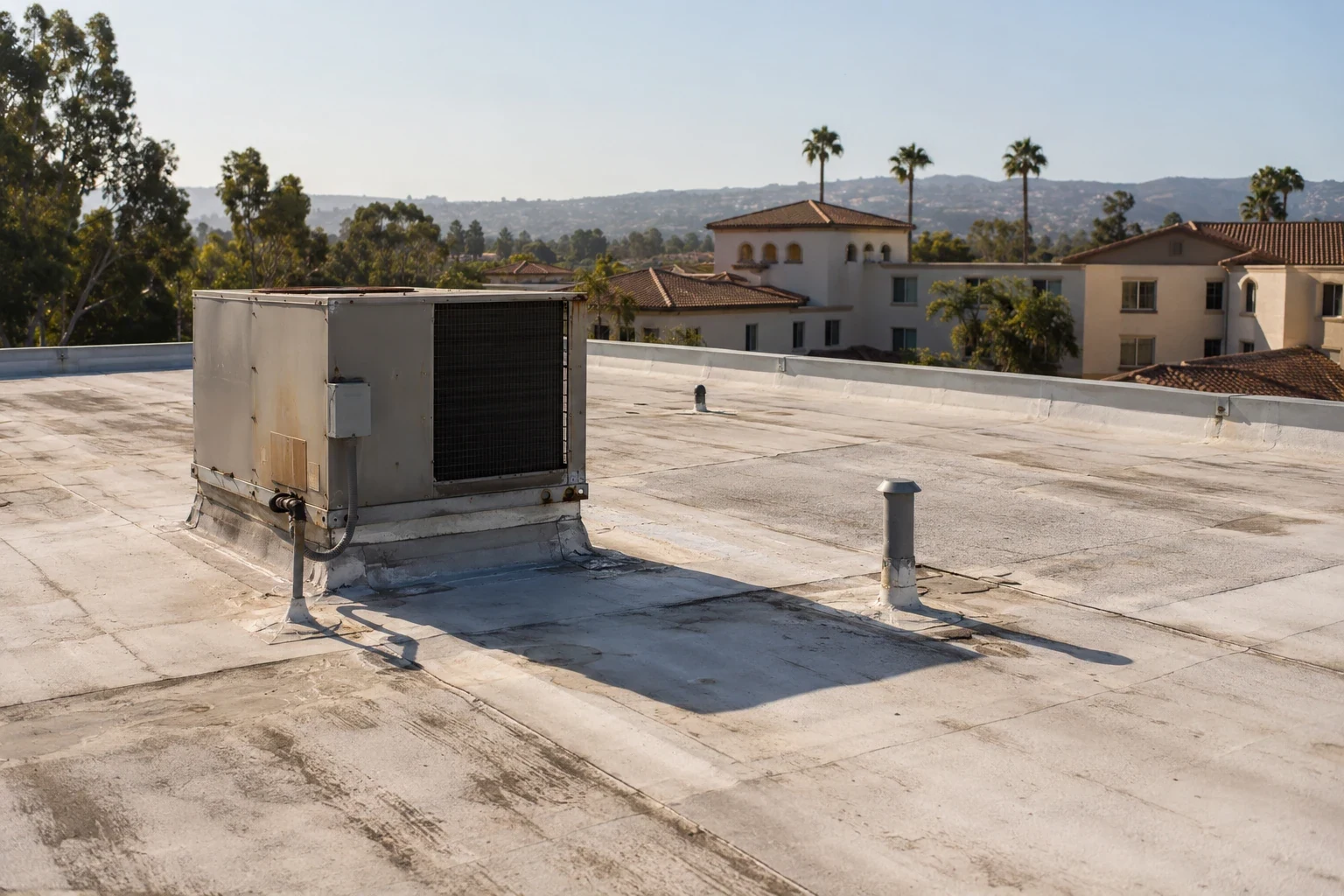
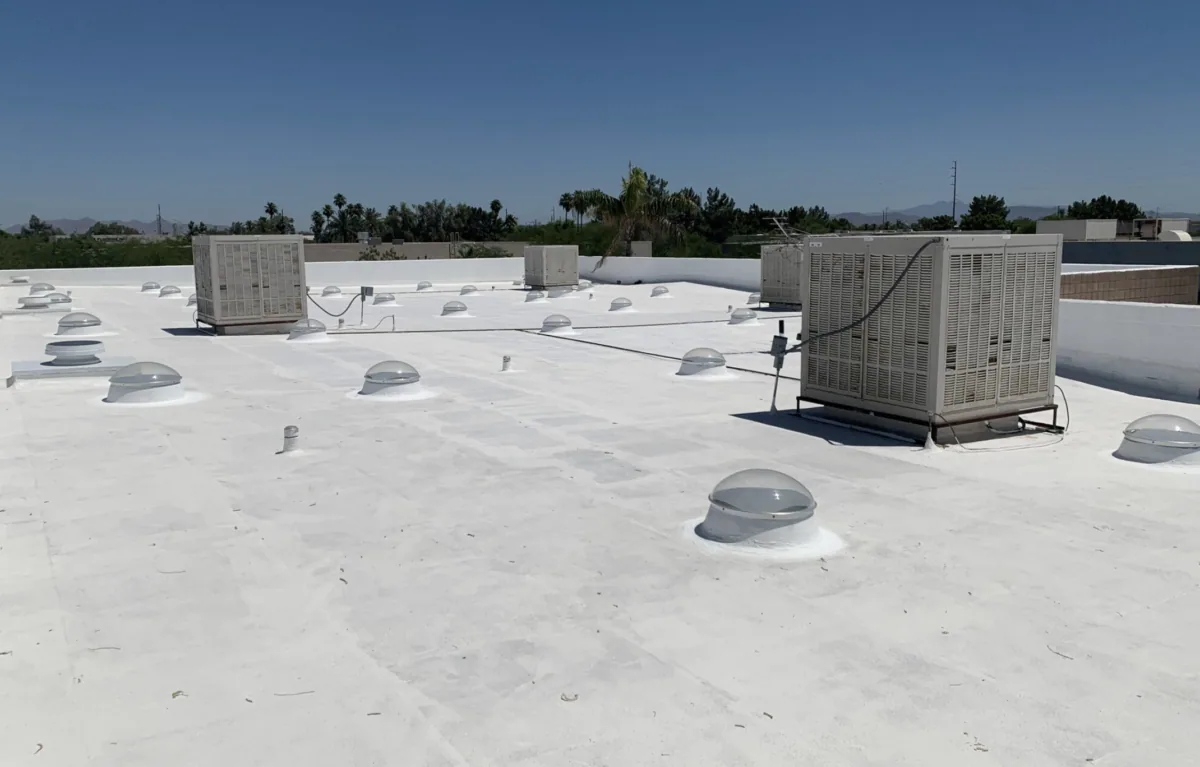
Our campus penetration and skylight repairs identify the actual receiving material and attachment. A compatible surface patch can be appropriate for a located opening, but a weak support or unsuitable concealed transition may require more preparation. Before opening a detail, obtain permission and plan its protection and closure. The owner can then compare a complete local correction with a broader proposal using the same findings, rather than choose between a small undefined patch and an unexplained assembly replacement.
The institutional name and actual jurisdiction
Clovis High School is a separate educational property. Its assembly and access permissions do not establish those of a college building. For a campus roof request, identify the affected room, academic activities and equipment that cannot be interrupted. The facilities contact should confirm who can release the space and whether testing, laboratory work or events change the work window. Before selecting a repair, examine the roof layers, drainage and penetrations above the reported area; a thermal pattern can guide test locations but does not set a removal boundary. Record accessible findings and any concealed condition that needs an opening or design review. Coordinate permit requirements with the authority responsible for the actual campus and alteration, then include a secure daily closure and room-protection plan in the bid scope. That lets the college compare alternatives using its own buildings and operating calendar, rather than conditions from a nearby school.
The distinction also applies to school roofing and administrative office repairs coordinated by the same owner. Their roof materials, room protections and working releases need separate examination. For a request in Fresno, mark the work area and retain any inaccessible zones in the condition record. A shared inspection date can be useful when operators approve it, but it should not turn separate buildings' uncertainties into one apparently fixed construction quantity.
The moisture question beneath the visible surface
A patch can meet retained material whose condition is not apparent from the exterior finish. If the proposed repair depends on insulation, cover board or deck condition, select a suitable investigation and obtain authorization for any opening. Thermal patterns may help direct confirmation under appropriate conditions, but they do not establish all concealed layers. An opening should answer a stated question, and its compatible closure belongs in the inspection task rather than becoming an unspecified later charge.
For a campus roof moisture investigation, record the indication separately from the sampled condition and its limit. The proposed removal extent needs evidence supporting the layers under review. If the protected room or equipment prevents confirmation, preserve that uncertainty and identify the next permitted method. This gives the owner a supported repair boundary and a clear adjustment process if further exposure changes the finding, instead of converting one sample into an assumption that all campus roof material needs removal.
The regional season and repair preparation
Fresno's July 2024 conditions provide heat context for planning examinations and material work, without proving a failure on the college building being repaired. In winter, Central Valley tule fog can thicken before dawn and thin with daytime warmth, but the actual roof surface still needs assessment. We follow the repair material's application requirements and current safety conditions rather than assume that a particular hour will provide suitable preparation throughout the work area.
Where permanent installation cannot proceed, a compatible temporary intervention may be useful if the located defect and access allow it. Our urgent roofing response extends through nights and holidays, with conditions and authorization controlling what can be performed. Record the temporary location and the follow-up detail required. The owner should be able to distinguish protective work from the finished connection, especially if dry preparation, another trade's release or further layer examination is still needed before the permanent correction can be accepted.
The final repair and the remaining campus tasks
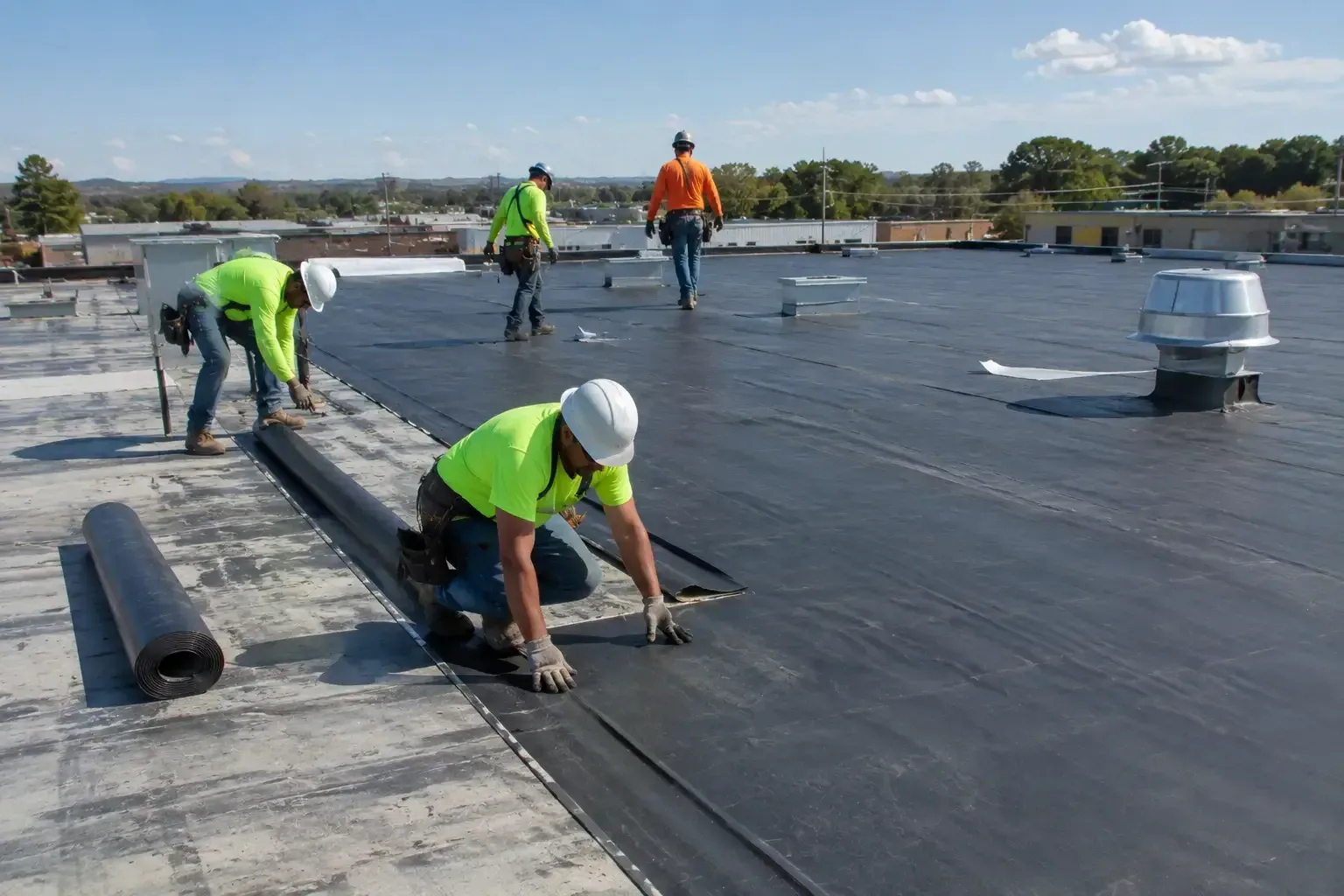
A complete proposal identifies receiving-layer preparation, removal handling and the closing detail, together with access obligations and any review dependency. Required work should remain distinguishable from optional improvements. If concealed exposure changes the quantity, document the actual finding and obtain the stated approval. Equipment isolation or room protection remains with the authorized operator personnel, while the roofing crew addresses its defined assembly connection and permitted daily work zone.
A college roof condition record links the reported symptom, examination and completed repair to the same building marks. At closeout, inspect affected outlets and transitions and identify remaining limitations. Warranty or permit requirements follow the actual agreement, property and alteration. The next visit can then address the recorded unresolved task without repeating an unmeasured repair allowance, and the owner can distinguish accepted roofing from any room or equipment responsibility that still needs separate operator action.
College facilities often include classrooms, laboratories, dining areas and event spaces with different calendars and access controls. Confirm which department can release the roof and the room below, and ask whether ventilation intakes or sensitive equipment affect the proposed work zone. A campus event may change the route or schedule without changing the roofing diagnosis, so keep operational adjustments separate from assembly findings. State the daily closure point and identify the contact who can approve a concealed-condition opening. The resulting record should show what was inspected, what was repaired and what remains inaccessible.
Commercial Roofing Questions
Does the college name establish a Clovis permit basis?
The actual property and proposed alteration are the deciding factors. Confirm the responsible authority before applying an approval path.
Can an academic break release all campus roof work?
Obtain the operator’s building-specific permission. Equipment, offices and public routes may have separate restrictions.
Should one roof sample price every campus building?
Each quantity needs relevant assembly evidence. A sample at one location cannot establish unexamined construction elsewhere.
What should follow a temporary campus roof repair?
Record the remaining detail, preparation and authorized access required. The permanent task should be identifiable before the protection visit closes.
The campus repair request
Give us the building, affected room and operator who can release the work. We assess the exposure that day and arrange appropriate roof examination or temporary correction within the permitted conditions.
Related Pages
Occupied Building Reroofing
Read the full page
Skylight and Penetration Flashing
See how we handle it
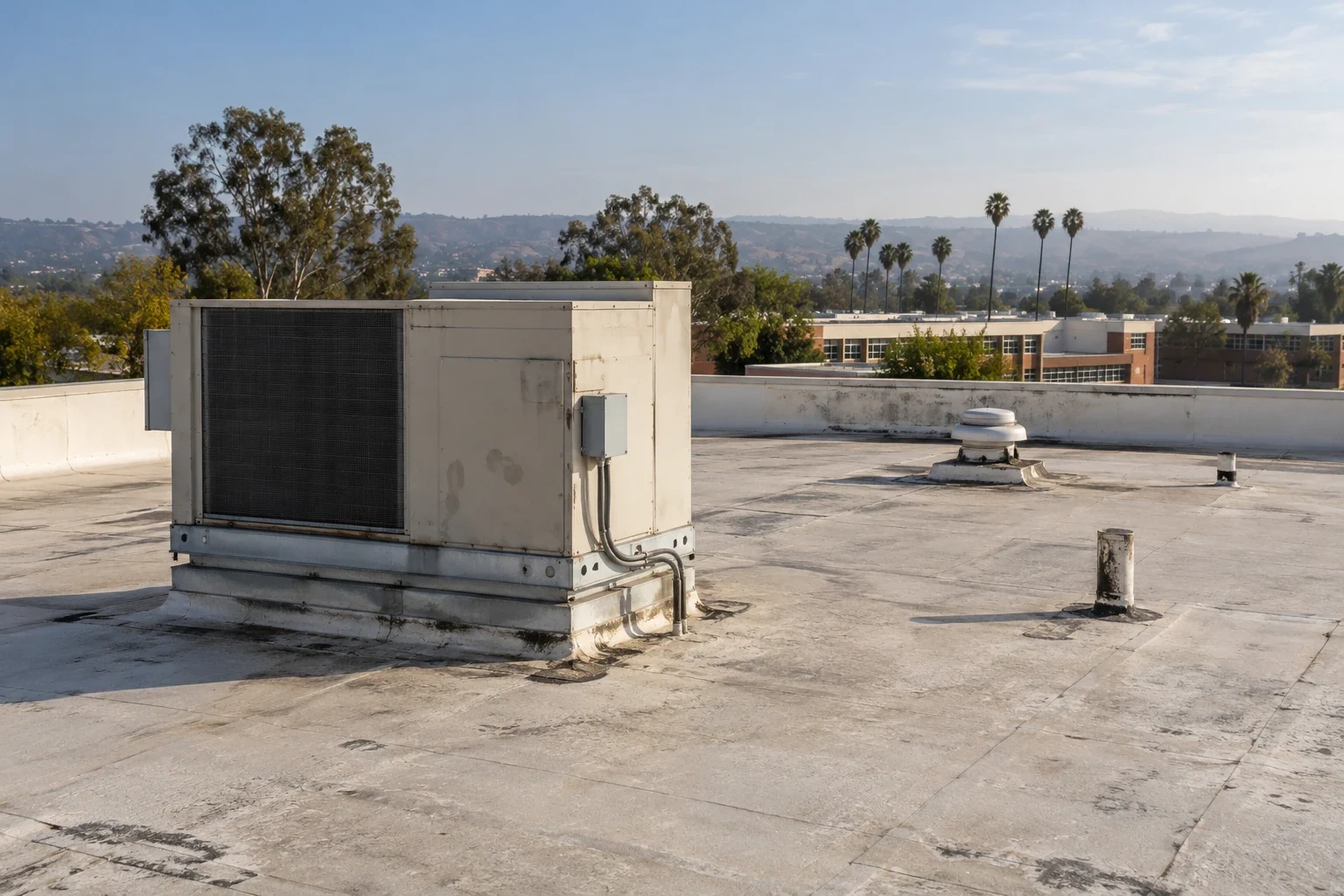
School Roof Leaks and Classroom Work Boundaries
Scope, sequence and repair notes
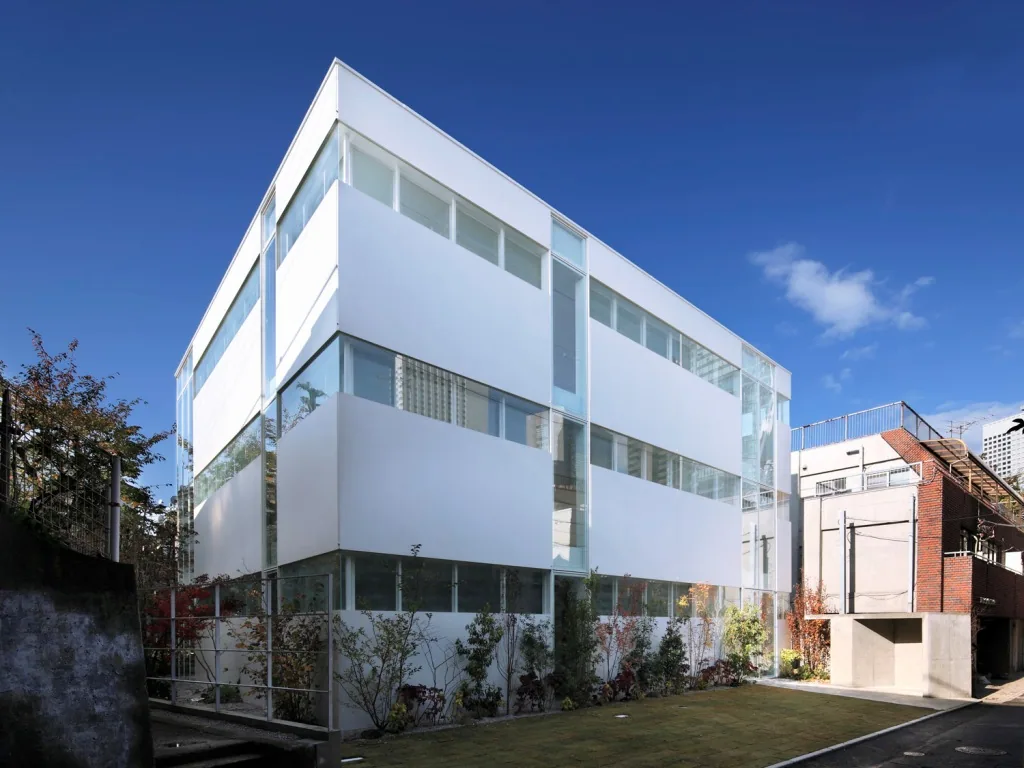
Office Roof Leaks and Tenant Protection
Read the full page
Fresno
See how we handle it
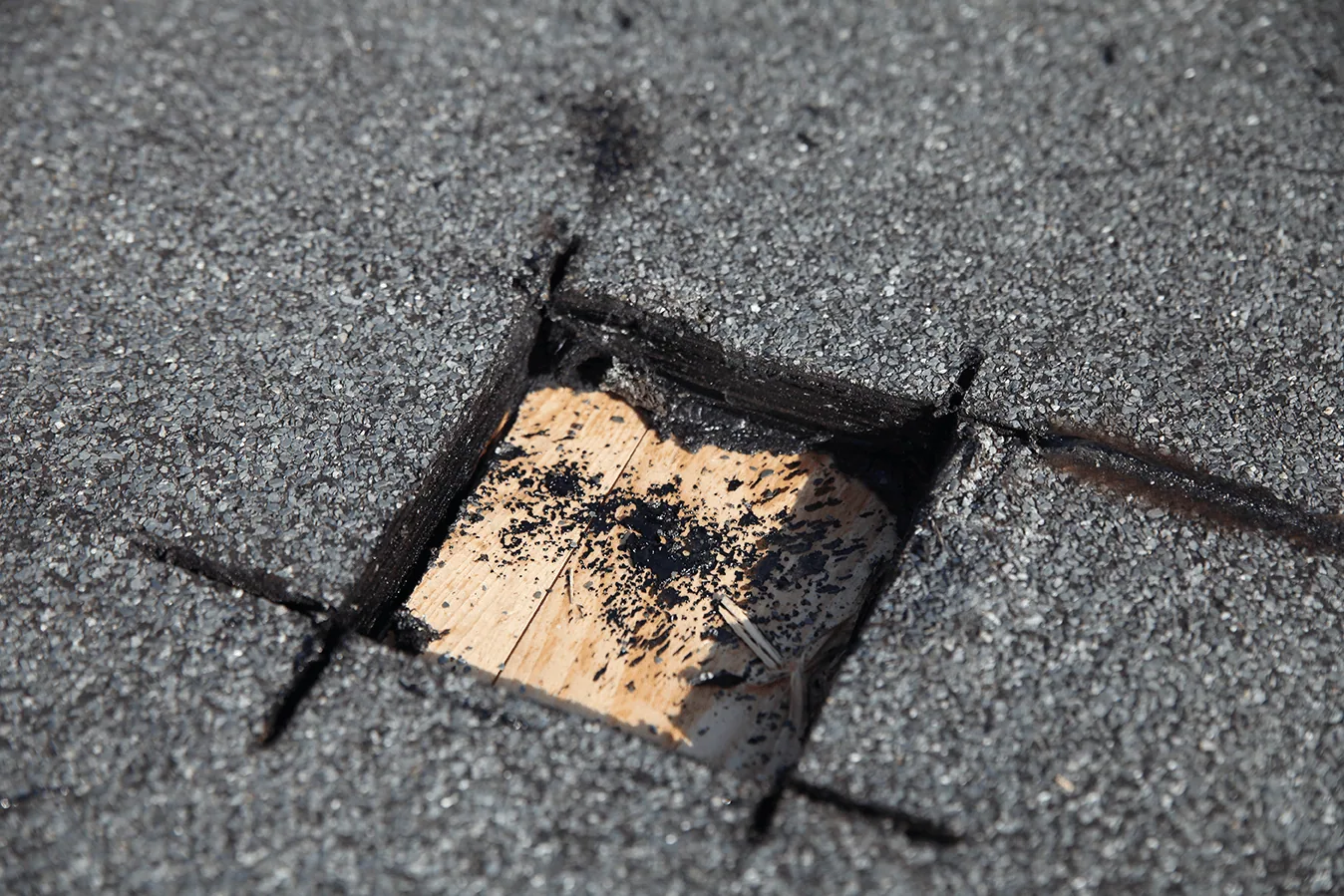
Infrared Roof Moisture Survey
Scope, sequence and repair notes