
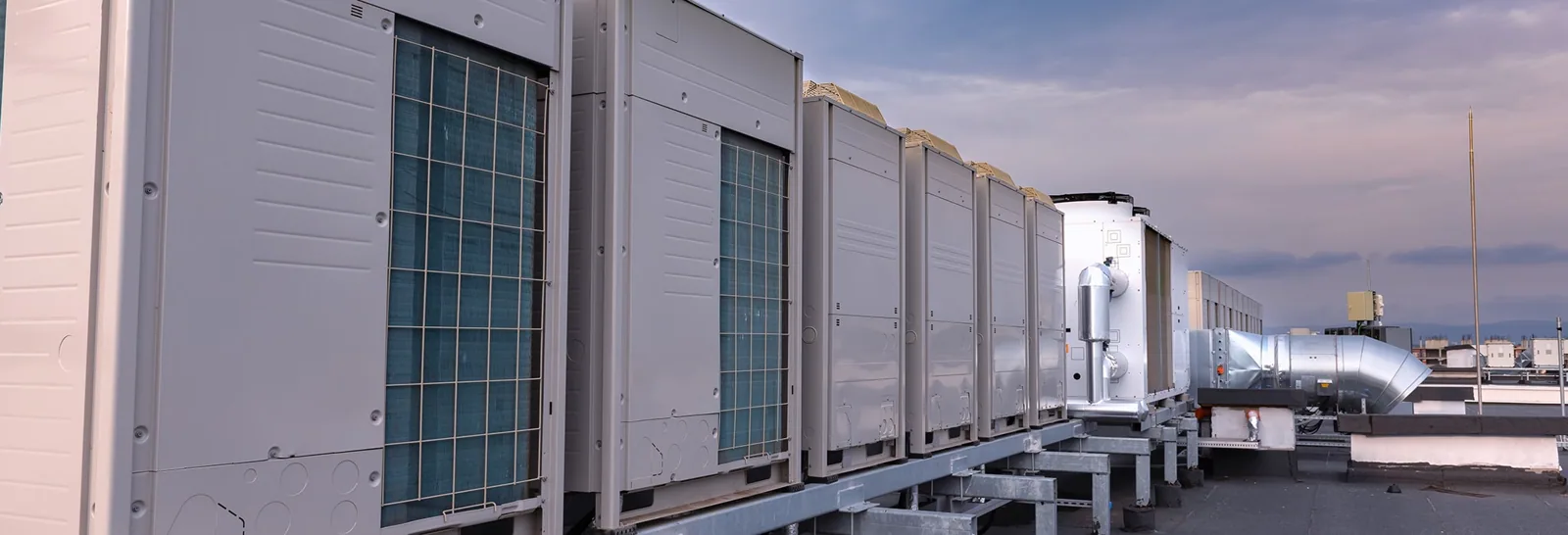
Data Center Roof Repairs With Controlled Equipment Access
Property Types We Roof
An alarm about water near a protected equipment room during winter rain can make a data-center owner focus on the loss below before the roof path is known. The response should establish the affected zone and authorized protection immediately, then investigate the assembly without creating an unapproved equipment interruption. In Clovis, CA, we examine the roof within the operator's release and distinguish temporary roofing measures from the permanent connection that the findings support.
Fresno's July 2024 heat conditions provide regional scheduling context for roof examinations around operating equipment, but they do not establish a cooling failure at your facility. The operator's current equipment requirements control access and isolation. A roofing investigation may find a local flashing defect or a wider receiving-layer problem; either needs evidence before the owner accepts a removal quantity. We keep the roof task, equipment release and room acceptance visible as separate parts of the work.

The protected room and the initial exposure
A report of water near electrical or computing equipment needs the operator's description of the actual exposure and response responsibilities. Qualified personnel handle the affected equipment, and the operator identifies which spaces can be released for inspection. We examine available roof and interior information without assuming that a ceiling location identifies the entry point. Where safe roof access is delayed, the immediate interior-protection responsibility and next examination need to be clear.
Our urgent roofing service operates through overnight periods and holidays, with the available access and conditions governing the initial intervention. A located opening may support compatible temporary correction, while an uncertain path may require further investigation. We identify the intervention's boundary and retained limitations. That lets the owner understand which exposure has been addressed without confusing a response visit with acceptance of the entire roof, equipment system or occupied space.
The equipment enclosure and the roof interface
A curb or screened equipment area may restrict the view of a flashing connection if those features are present. We record inaccessible areas and establish what access is needed for examination. Removing a screen panel, isolating equipment or moving a support may require qualified personnel and separate authorization. A proposal should not assume that the roof crew controls those tasks merely because the damaged connection lies inside the equipment zone.
For roof work at equipment interfaces, identify the roofing tie-in, permitted movement and accepted closing detail. The existing attachment and receiving material control the repair method. A process alarm or heat event cannot establish the condition of that connection. We inspect it and identify any necessary confirmation before setting the quantity. The bid should show each release point, including the equipment work outside the roofing obligation, so a completion date does not depend on an unapproved shutdown.
The local request and the actual facility
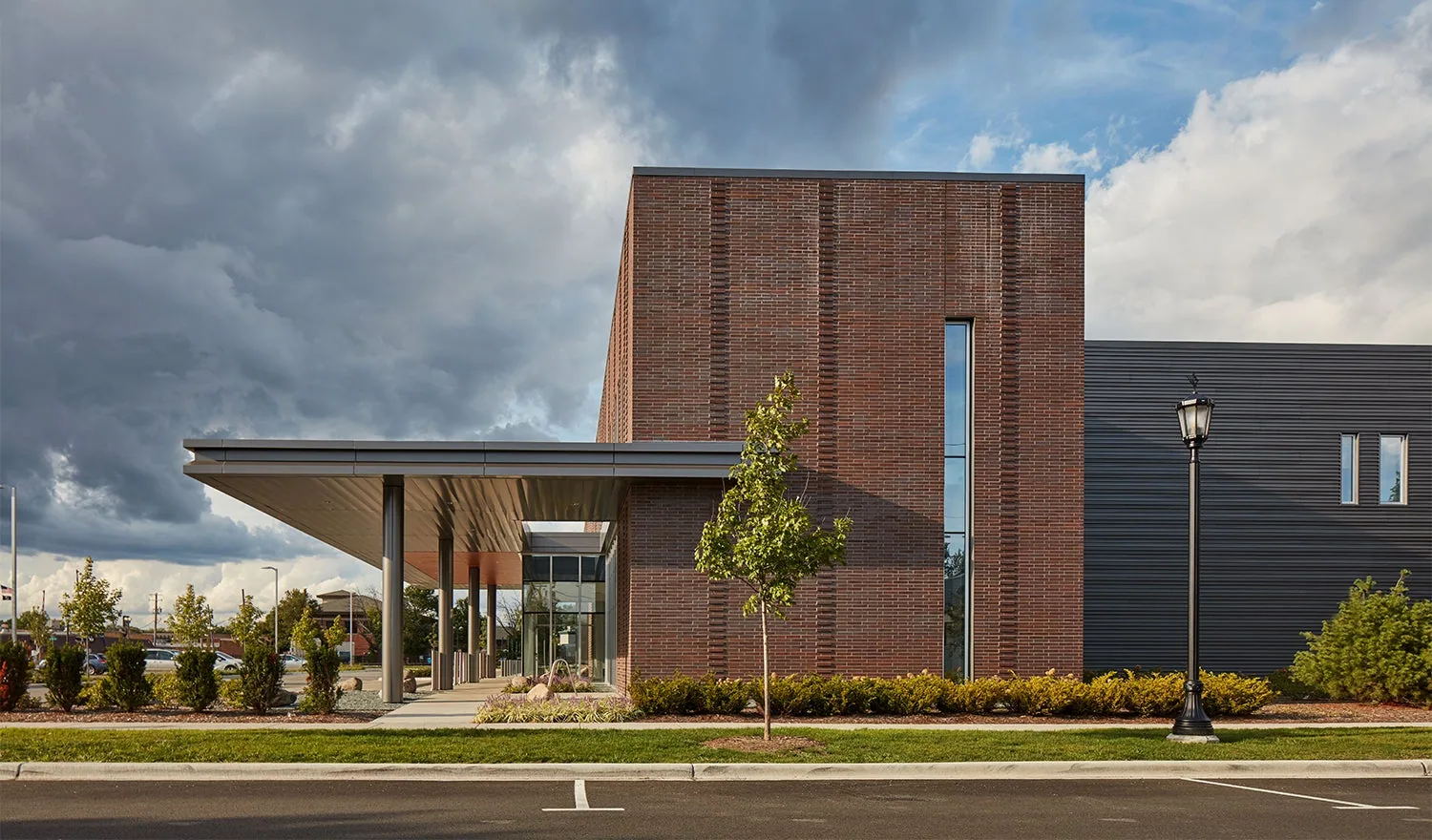
Temperance Avenue and Nees Avenue locate the historic proposed Research and Technology Park expansion, whose proposed uses included research and business services. That planning context does not establish a present data-center roof inventory. A request in the Research and Technology Park area needs the actual facility, roof designation and authorized contact. Construction records and examination establish the assembly rather than a district's proposed development use.
Related work on an office building or a manufacturing plant may share ownership but have different operator releases. We preserve those differences in the task description and condition record. A common purchase order does not supply shared access rights or identical cooling restrictions. The particular property and alteration also establish the reviewing authority and permit requirements. Confirm those dependencies before assigning a single repair approach or construction schedule across unexamined buildings.
The moisture indication and confirmation boundary
Concealed moisture can affect a repair or recovery decision, but its investigation has to fit the actual roof and purpose. A thermal survey may identify temperature patterns under suitable conditions. Those patterns require interpretation and appropriate confirmation; they do not identify every wet layer or measure its full extent. The proposal should distinguish the indication from the condition established at an authorized sample, including the limitation of that examination.
A roof moisture survey should explain the confirmation task needed to support the proposed removal boundary. Before an opening, establish operator permission, interior protection and compatible closure. If equipment or protected rooms prevent sampling in an area, keep that question visible rather than label the entire roof dry or wet. The owner receives a supported repair quantity and a defined process for unresolved concealed conditions. Additional exposure can then be measured and approved without turning the first indication into an unrestricted replacement allowance.
The drain connection above sensitive space
A drain or penetration can admit water through its flashing while the outlet appears clear, which is why surface cleaning and connection repair require separate findings. We inspect accessible fastening, membrane continuity and the roof approach to the opening. If downstream piping is implicated, the next investigation belongs to the appropriate qualified trade. A roof-side test should not proceed without a suitable method and protection for the receiving area.
For roof drainage corrections, record the specific connection and receiving-layer preparation. A proposal to change slope or outlet placement needs review of the actual design and retained construction. Keep that alteration distinct from a localized repair. Costs may change with access inside equipment enclosures, permitted hours and repeated protection steps, and those obligations should be visible when the owner compares bids. The price needs to describe the completed task rather than imply that an accessible outlet inspection establishes all concealed piping conditions.
The permanent work and operator acceptance
The selected permanent repair must fit the material, receiving condition and detail geometry found during examination. If a broader intervention is appropriate, explain which retained layers are unsuitable and what correction is proposed. A coating or overlay should not be chosen before those conditions are established. Daily removal also needs a closing sequence consistent with the operator's allowed exposure, rather than a production quantity that assumes unlimited time or access.
Our data-center roof findings connect the initial concern, investigation and finished roofing detail. At closeout, examine repaired transitions and affected outlets and record unfinished investigation or temporary material needing follow-up. Authorized operator personnel accept equipment and room release where required. The owner can then distinguish completed roofing from remaining operational responsibilities. This keeps the repair decision focused on the examined defect and preserves a usable record for the next visit without presenting a roof repair as proof of facility-wide continuity.
A roof repair above a data center should be planned with the facility team that controls access, alarms and any restrictions around critical rooms. Identify the exterior work zone and the interior area that may need monitoring, but leave decisions about equipment status and redundancy to the authorized operator. Coordinate lifts, temporary power isolation and any movement of rooftop units with the responsible trades. The roofing proposal can then define its membrane or flashing work, the protection at shutdown and the evidence required at closeout without implying that the repair certifies cooling, power or uninterrupted service.
Commercial Roofing Questions
Can the roofing crew authorize cooling isolation?
The operator assigns that release to qualified equipment personnel. We specify the roofing task and access needed for their review.
Does a thermal pattern establish the entire wet area?
Confirmation evidence is the deciding factor. Interpret the pattern and investigate the layers and boundary proposed for removal.
Should a protected room prevent every inspection?
Suitable methods and locations may be released by the operator. Record the limits where access or exposure remains unavailable.
What closes the roofing task near sensitive equipment?
The agreed roof-detail checks and completed quantity support roofing acceptance. Equipment or room release remains a separate operator responsibility.
The protected-space roofing report
Describe the water exposure, equipment restrictions and authorized operator contact. We assess the request that day and arrange the permitted examination or immediate roofing measure as conditions allow.
Related Pages
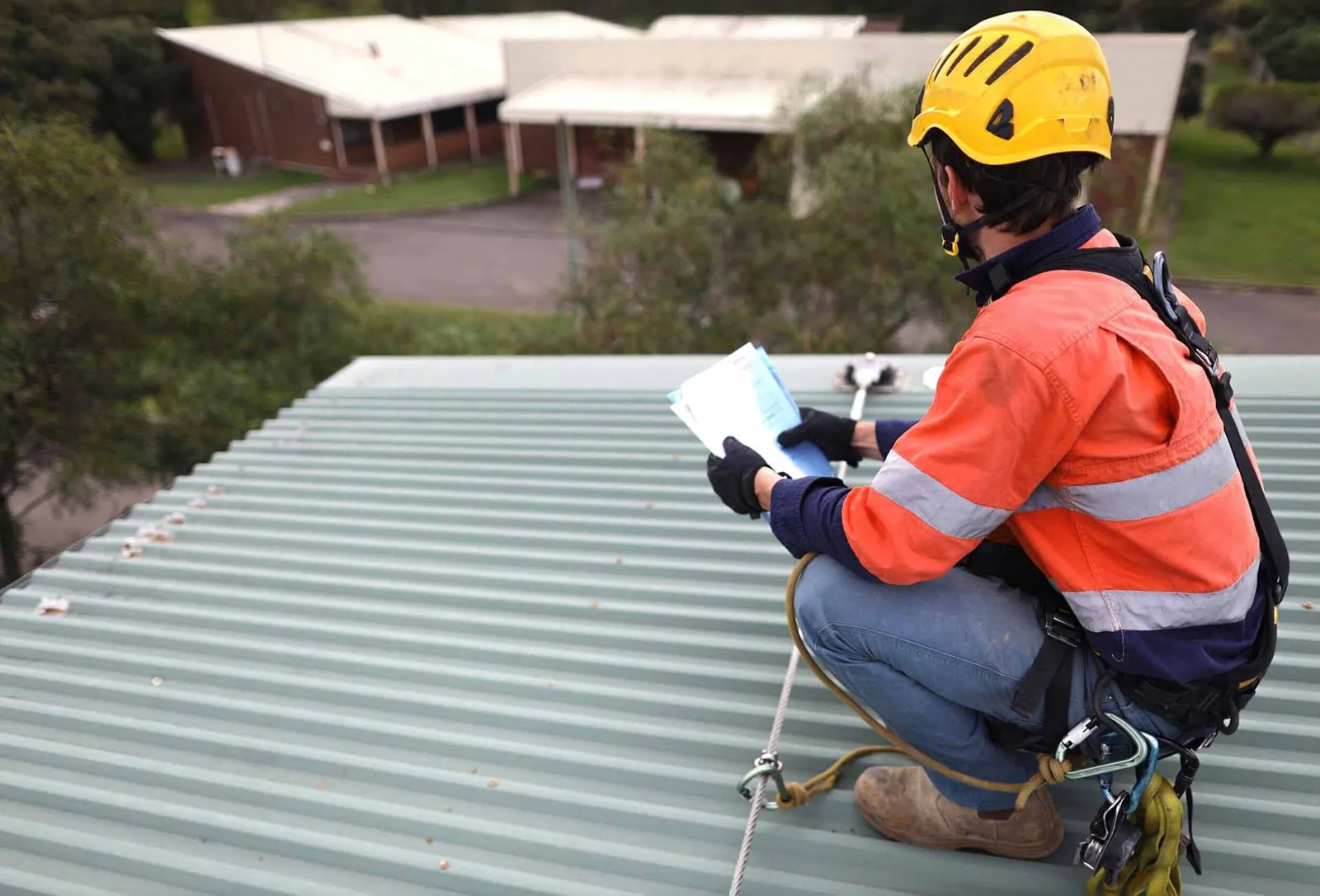
Emergency Commercial Roof Repair
Read the full page
Rooftop Equipment Curbs and Supports
See how we handle it
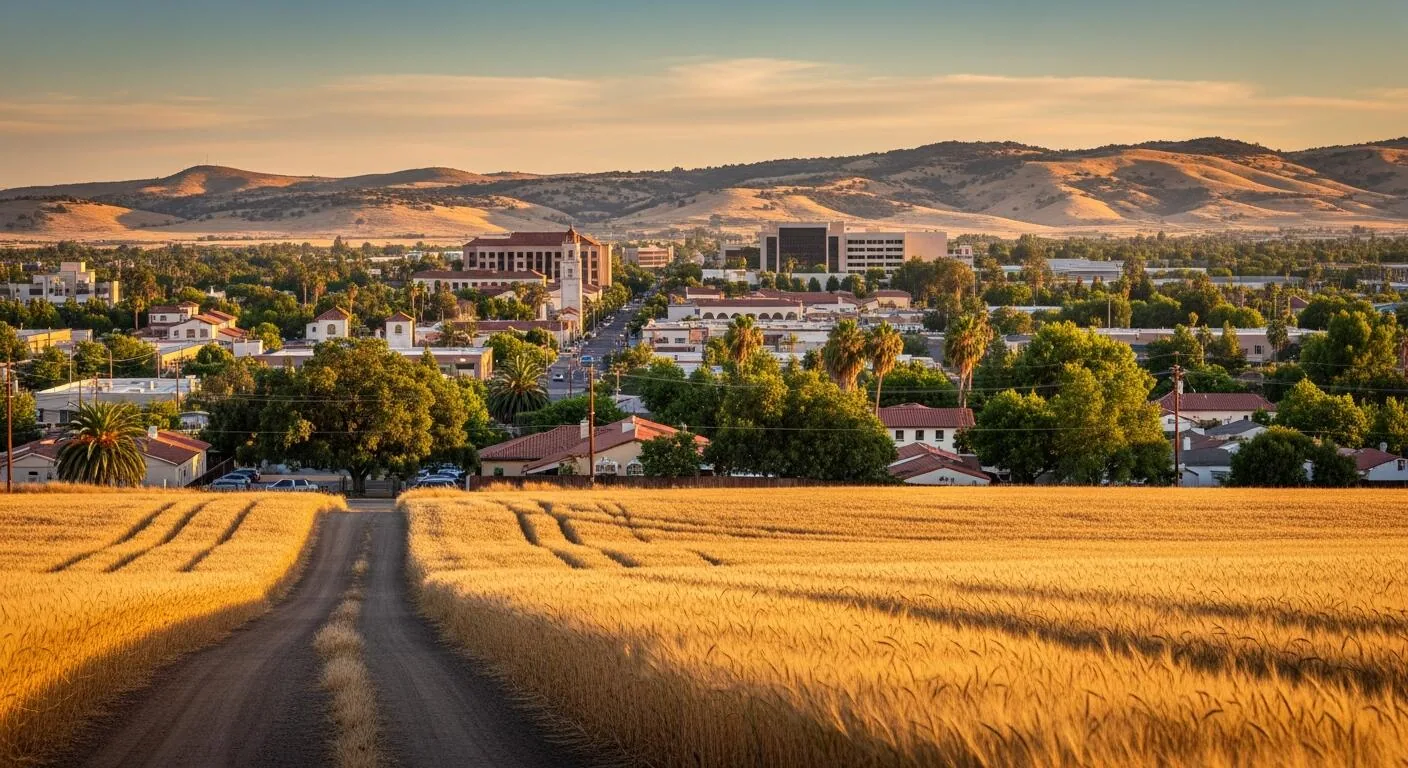
Clovis Research and Technology Park
Scope, sequence and repair notes
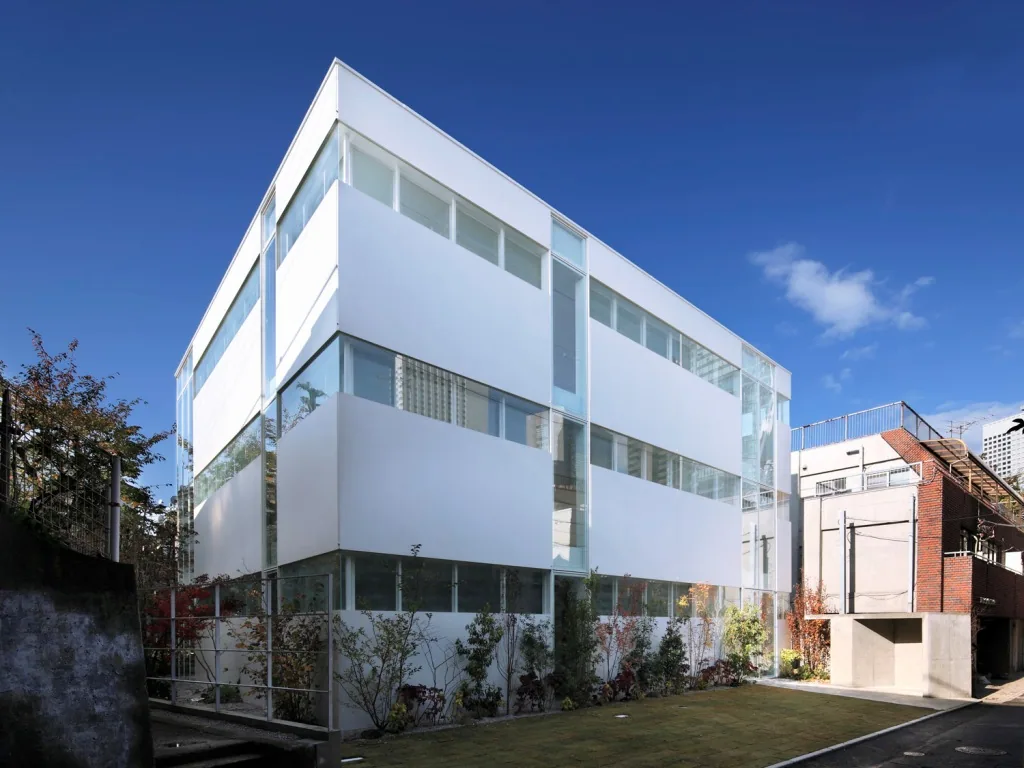
Office Roof Leaks and Tenant Protection
Read the full page
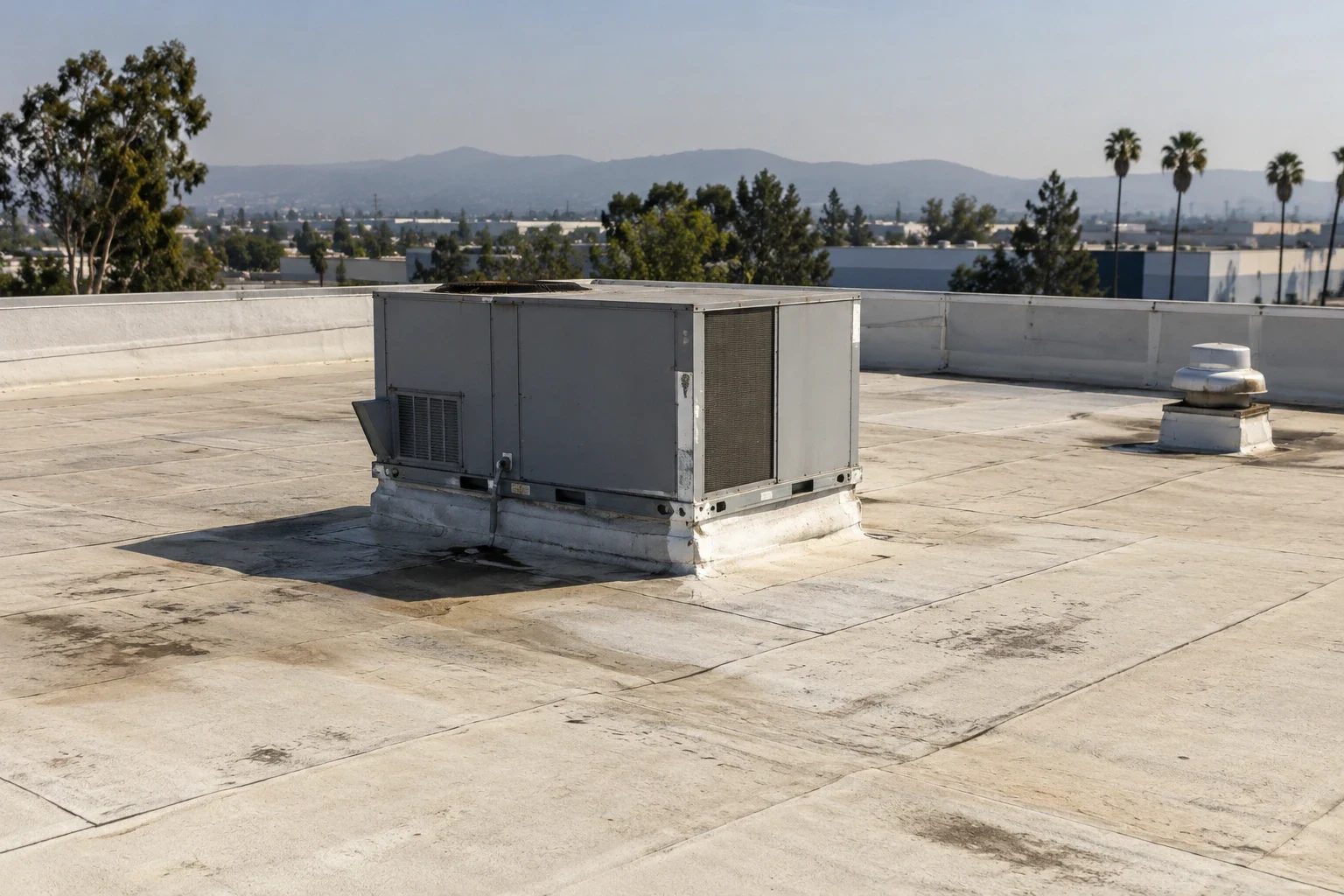
Manufacturing Roof Repairs With a Defined Work Release
See how we handle it
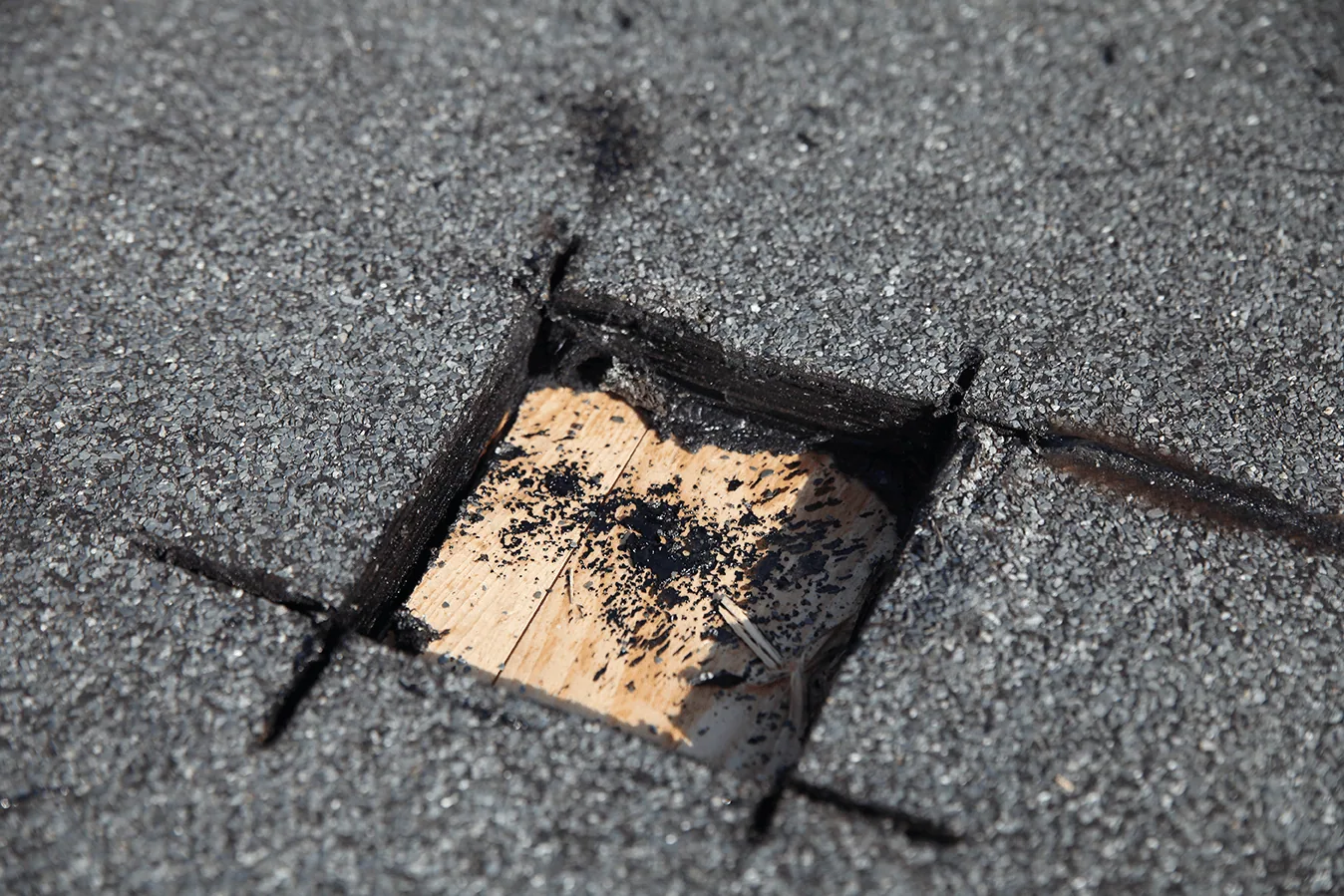
Infrared Roof Moisture Survey
Scope, sequence and repair notes