
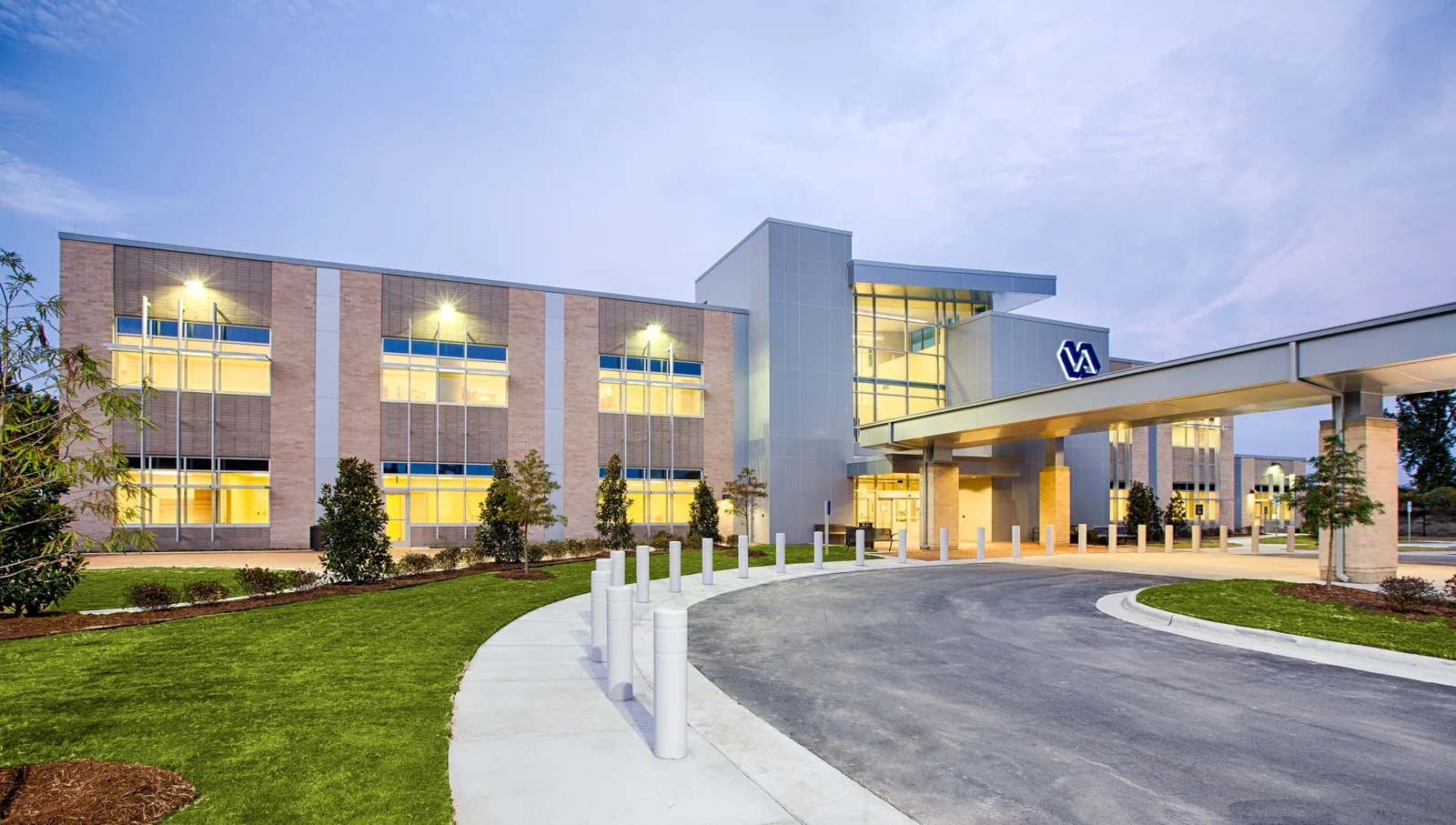
VA Medical Center Roofing in Clovis, CA
Property Types We Roof
The Fresno VA Medical Center serves the region with primary and specialty care, while its facilities team controls roof access and operational requirements. Identify the actual building and roof zone, then coordinate patient routes, ventilation, equipment and any required construction review with authorized staff. The roofing scope should describe protection and closure without making claims about clinical readiness or interior restoration. Keep any concealed condition separate until it is examined and approved.

The intake beside the repair
A roof defect beside an air intake requires more than selecting a compatible patch. The operator's facilities and clinical representatives need to assess how roofing activities could affect air movement into occupied space. We describe the intended work, materials and removal area so they can establish appropriate controls before the roof is disturbed. Roof replacement over occupied care areas may need a sequence that changes with those controls, rather than a fixed demolition area chosen only for production speed.
An intake is not a convenient place to store materials or stage dusty removal. We coordinate the approved routes and work boundary, then keep the roofing task within the agreed arrangement. The relevant equipment trade manages equipment shutdowns or adjustments. If an unexpected opening or material condition changes the activity, we notify the designated contact before extending it. The roof method and interior protection need to remain coordinated throughout the work, especially where the operator has established sensitive-room restrictions.
The route of the indoor water
Water above a corridor may originate at a curb, drain connection or damaged membrane some distance from the indoor mark. We compare roof features with the room layout and inspect the accessible assembly before concluding that the nearest equipment is responsible. Clinical-area roof leak tracing distinguishes the discovered entry from the location where water finally appears. The record identifies any room or roof area that could not be examined under the approved access arrangements.
The operator directs interior isolation, contents protection and any decision about continued room use. We report the roof findings for that coordination and explain which temporary exterior correction is feasible. A ceiling that stops dripping does not prove concealed material is dry or settle a facilities decision about reopening the area. Roof containment, moisture removal and interior restoration remain connected work, but each needs its own completion finding. The permanent roofing proposal describes the layers opened and the sound assembly available for reconnection.
We also record whether the interior complaint can be compared with an earlier leak in the same area. That comparison can guide the next roof inspection, but a previous patch location does not establish that the current water follows the same route through the assembly.
The moisture under the covering
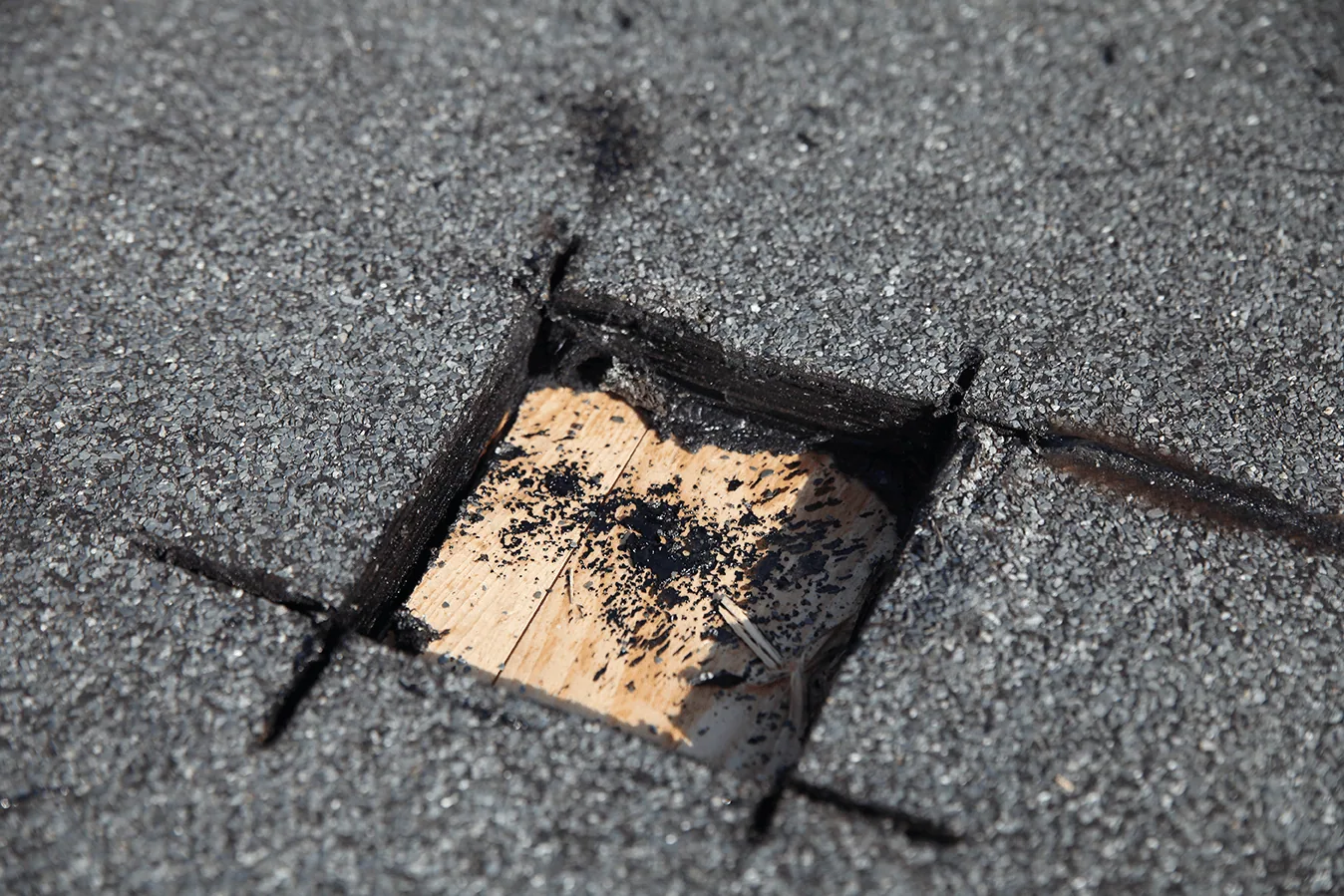
A blister or soft area near the suspected entry needs a careful examination before opening. Heat, trapped moisture and loss of adhesion can leave different conditions beneath a similar surface shape. We identify the roof covering and plan suitable investigation, including approved sampling where needed to establish removal limits. A roof moisture survey can help target suspect areas under appropriate conditions, with confirmation of the assembly where necessary. A scan result is not permission to enclose damp layers.
The repair boundary may include insulation replacement and preparation of a damaged substrate, not just the upper covering. We distinguish those items in the proposed work and coordinate any structural finding with the appropriate professional. Material removal above a restricted care area requires a closure plan prepared before the opening is made. The next phase should not proceed simply because the visible membrane has dried if the underlying layers remain unsuitable for a lasting connection.
The seasonal preparation
Central Valley tule fog forms after sunset and can be thickest before dawn. That regional pattern makes actual surface checks important before applying a repair material, even if an early work interval has already been approved. We follow the identified material's preparation, temperature and moisture requirements. A damp substrate may require postponing the permanent bond while maintaining suitable temporary protection and informing the facility contact of the revised sequence.
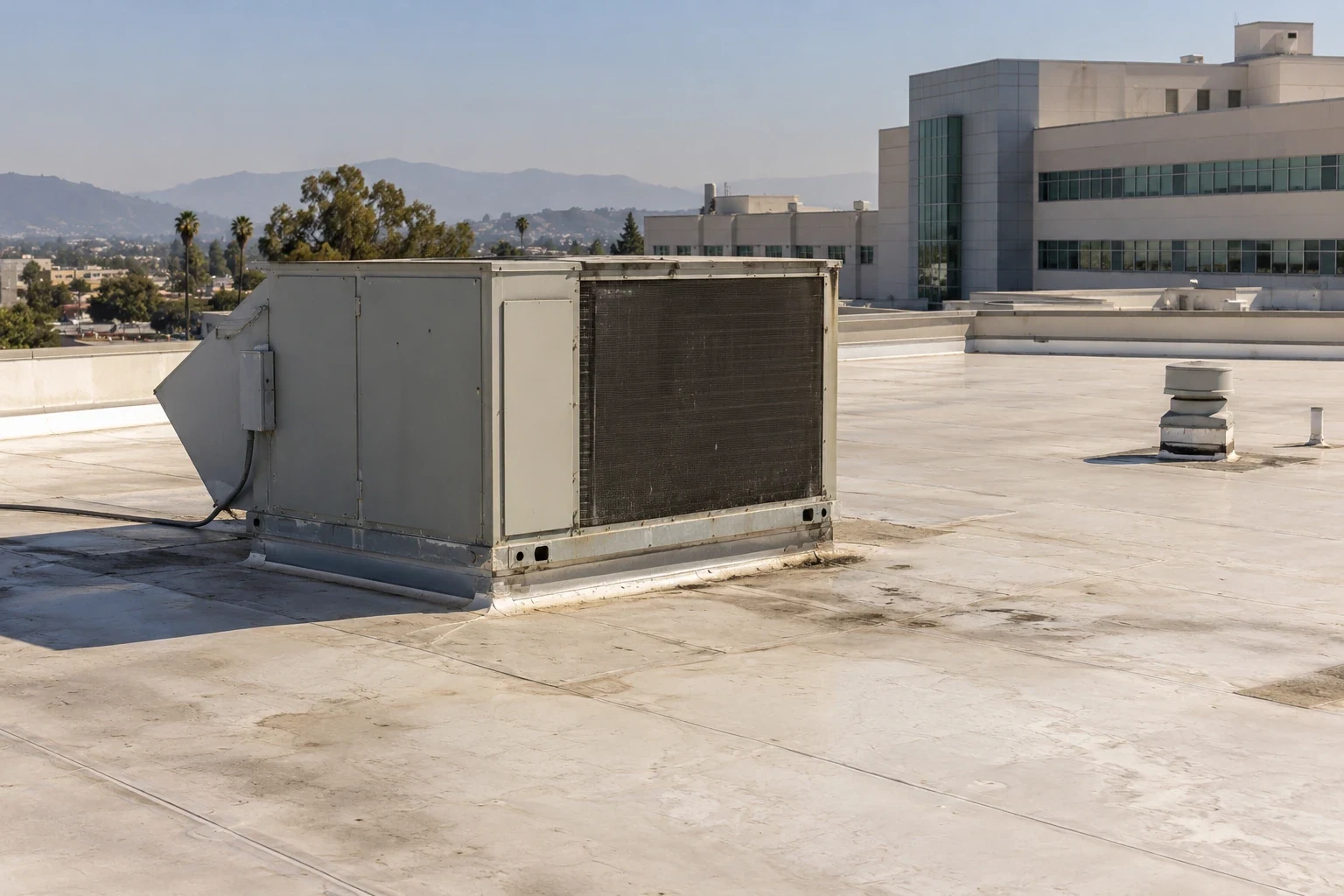
Medical buildings also need the repair to remain serviceable for equipment access after completion. We review the route to rooftop units and the protection of newly repaired flashing from later traffic. Hospital roof repairs can involve similar coordination of clinical operations, while medical office roof work may have a different occupied-space pattern. Neither building label determines the covering, room sensitivity or access approval for the actual assignment.
The phased closure and handoff
An opened roof area must have a defined closure sequence and suitable materials available before work starts. We coordinate the size of each removal area with the facility's restrictions and the assembly condition found. The governing project documents establish the applicable criteria and acceptance process, including federal requirements specified for the VA assignment. We review those obligations before substituting a repair method or altering the design. Access, clinical controls and acceptance remain part of the project plan rather than assumptions made during an emergency call.
For a facility task in Fresno, the handoff identifies the roof entry corrected, wet layers removed and limits of the inspection. A medical roof condition record helps the operator coordinate remaining interior or equipment tasks without treating roof closure as completion of all affected work. We accept active-leak calls at night and during weekends or holidays, establishing the complaint and designated facilities contact before arranging attendance. The available response depends on access, safe conditions and the protection requirements for the area beneath the leak.
A VA medical center roof repair should be coordinated through the facility’s authorized construction and operations contacts. Confirm whether patient routes, clinical air intakes, pharmacy storage or specialized equipment could be affected before selecting the work area. The facility determines any infection-control procedure, patient relocation or operational protection; roofing personnel state the assembly opening, debris controls and end-of-shift closure. Document changes only after the responsible contact approves them. At handoff, distinguish completed flashing or membrane work from any remaining interior restoration or clinical equipment review, which requires its own qualified team.
Roof access at a medical center should be coordinated around active care areas, service corridors and equipment that the facility identifies as sensitive. Establish the approved work boundary and the method for securing a daily opening before materials are removed. A water stain or equipment alarm may have causes beyond the roofing assembly, so keep those reports distinct from roof findings and refer specialized review to the appropriate facility team.
Commercial Roofing Questions
Does a stopped drip establish that the care area can reopen?
The facility's interior assessment governs reopening. A roof patch can reduce water entry while concealed moisture, ceiling damage or equipment concerns remain. We report the roofing correction and its limits so the operator can coordinate the other findings before deciding on room use.
Can roofing proceed beside an active air intake?
We sequence the activity within the controls established by the operator. We provide the materials, removal task and work location for that evaluation. Equipment adjustments belong with the responsible trade, and the roofing activity proceeds within the approved arrangements rather than assuming the intake is unaffected.
Why confirm moisture after an infrared survey?
The removal boundary needs confirmed information about the actual layers and moisture condition. Thermal indications can help identify suspect areas but need appropriate interpretation and confirmation. We use the investigation to define sound repair limits instead of treating a scan as proof that every concealed layer has been examined.
What can change a planned roof phase during the work?
Unexpected wet insulation, an unsound substrate or a newly exposed opening can change closure requirements. We notify the designated contact and coordinate the revised task before enlarging removal. The operator's restrictions and the project's acceptance checks remain part of that decision.
The care area and the roof complaint
Describe the affected room, when water appeared and the facilities contact responsible for access. We review immediate containment that day and coordinate the roof investigation with the care-area protection requirements.
Related Pages
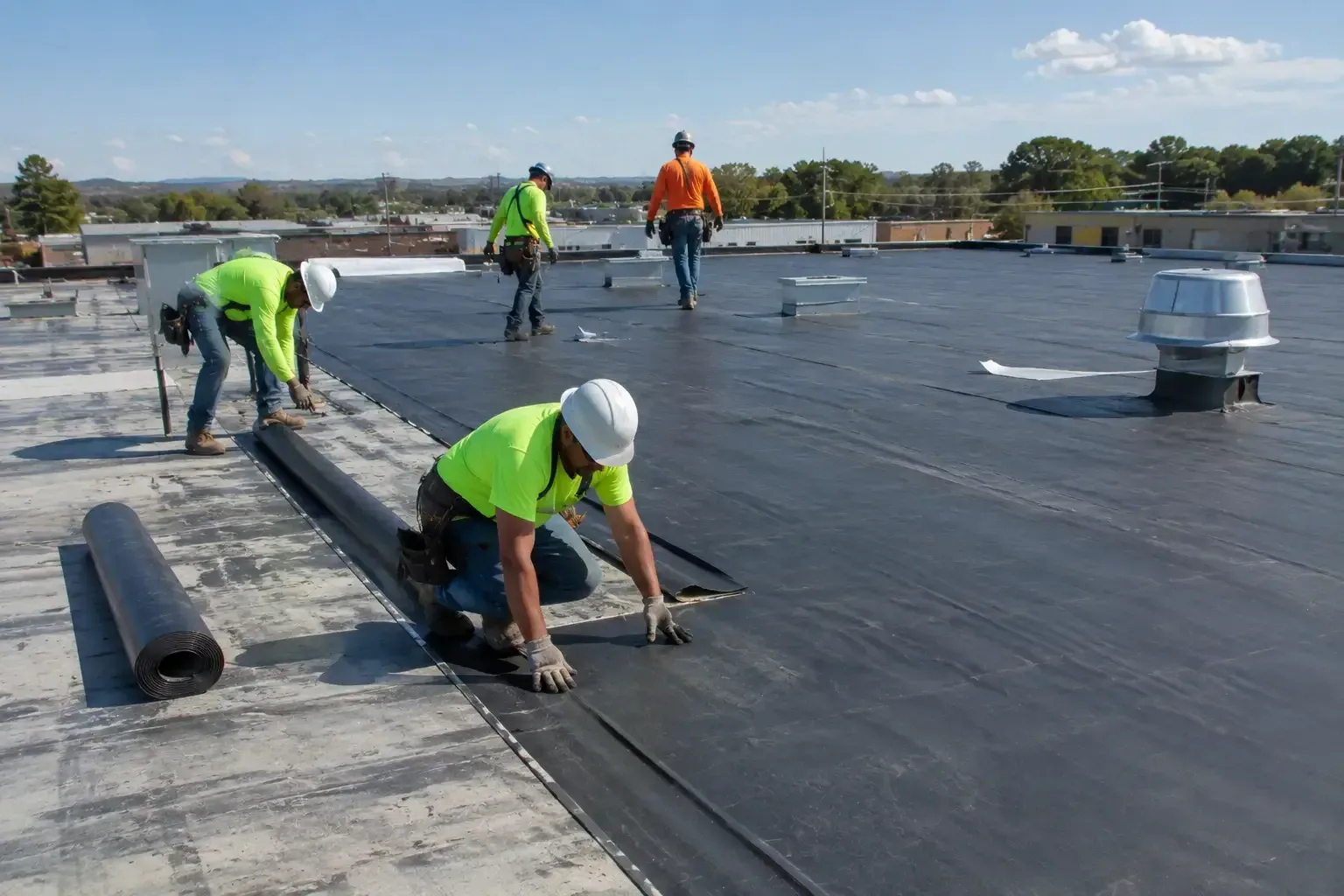
Occupied Building Reroofing
Read the full page
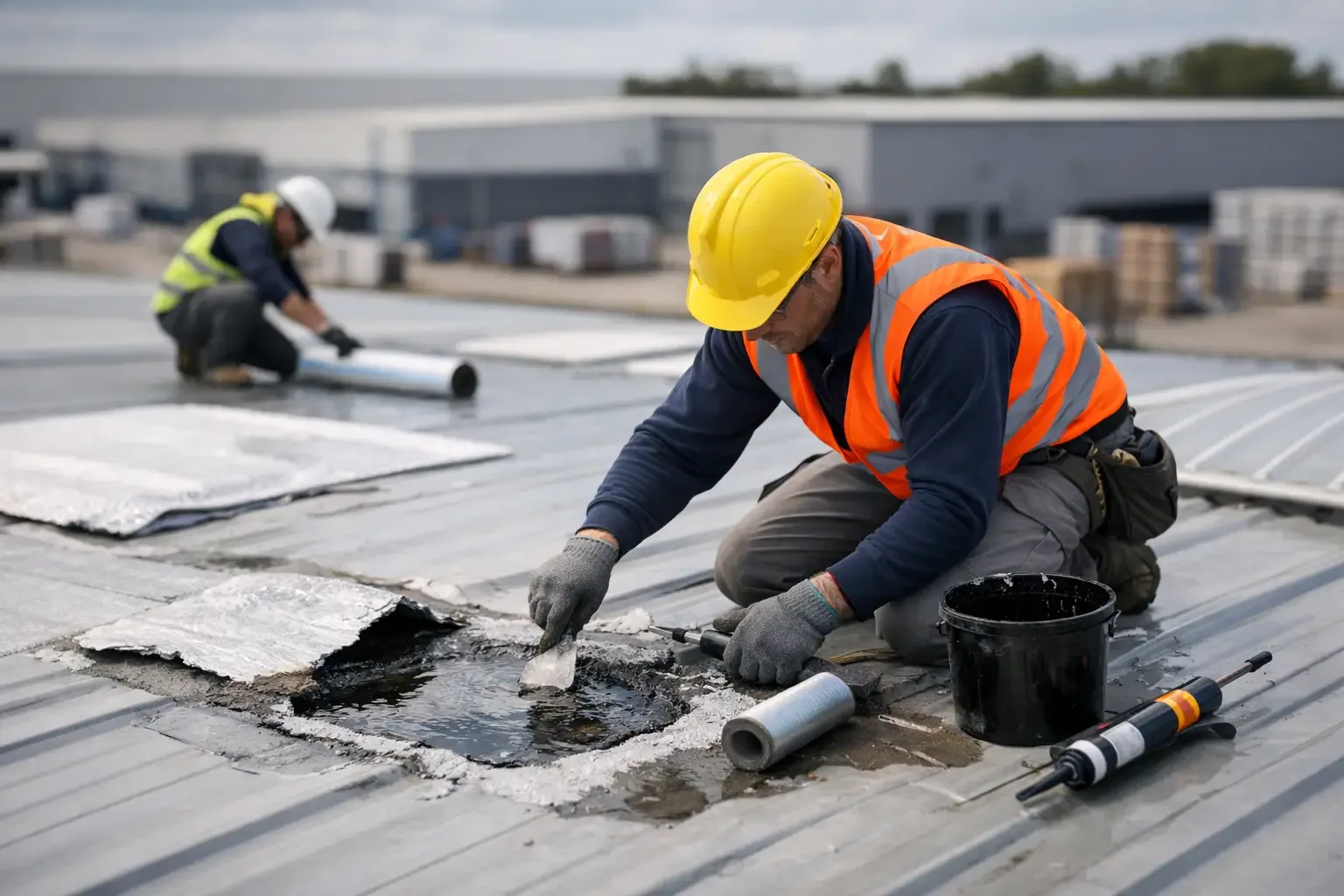
Commercial Roof Leak Repair
See how we handle it
Infrared Roof Moisture Survey
Scope, sequence and repair notes
Hospital Roof Corrections Through Operator-Controlled Work
Read the full page
Medical Office Roof Repairs With Room Protection
See how we handle it
Fresno
Scope, sequence and repair notes