Commercial Roofing in Hanford, CA
Service Areas
Roof repair in Hanford commercial buildings needs an early distinction between water entering the room and moisture already held inside the assembly. Consider a meeting room with a new ceiling stain after rain: the drip can stop while insulation above it remains wet. We trace the opening, protect the affected space and inspect the surrounding roof before deciding whether a detail repair, restoration or replacement is the useful next step. The work includes low-slope membranes, metal systems and the connections that keep penetrations and drainage watertight.
Hanford’s civic center and community facilities serve as local reference points across a city with a substantial public and commercial building stock. The condition at one facility does not diagnose another roof, so each owner’s work begins with a clearly identified property and authorized contact. We confirm access, occupied-space protection and any scheduling limits, then inspect the roof zone that corresponds to the reported leak. The review follows water across seams, drains, curbs and wall intersections before a repair boundary is set. If a separate mechanical or plumbing source remains possible, we record that question and coordinate the appropriate trade rather than extending the roofing scope without evidence. Photographs and closeout notes let the building team verify the repaired detail and understand any remaining monitoring item.
Protection of a scheduled room
A leak above a room with a scheduled use can require immediate changes to access even before the roof repair begins. The building operator identifies the affected area and any electrical or ceiling concerns, while we arrange the roof investigation and discuss temporary protection. We establish where water is entering, where it has traveled and whether a drainage obstruction is sustaining the exposure. A temporary closure is selected for the actual membrane or metal detail, with its limits explained to the operator.
Our roofing work for public facilities can be coordinated with the responsible building personnel and the use of adjacent rooms. Emergency support is available throughout the week and overnight, with access and response timing confirmed for the property. Work at Lemoore buildings calls for its own coordination, particularly where the owner must obtain permissions before entry. The locality does not substitute for a confirmed access plan at either address.
Drainage at the low point
Sediment around an outlet can show where water has lingered, but the reason for that retention needs investigation. We check the drain opening, connection and surrounding slope, along with any debris that prevents flow. Clearing a surface blockage may improve drainage without correcting a damaged flashing or a problem farther downstream. Where the outlet remains under water, repeated wetting can stress adjacent laps and give a small opening a continuing supply of water.
A drain and scupper repair should identify which component is failing and which trade controls the connected piping. The roofing detail must join sound material and permit normal inspection after completion. We discuss maintenance access as part of that repair so routine cleaning does not require walking over fragile areas. An owner comparing a property in Kingsburg with a Hanford building should compare observed drainage behavior, rather than assume the same repair follows from similar ponding marks.
The extent of retained moisture
Compressed or damp insulation near a leak can change a modest flashing repair into a selective removal project. We investigate the assembly and establish how far unsound material extends before concealing it with a new patch. Some roofs allow targeted openings and practical moisture testing; others require additional investigation because the deck or overlay hides the route. The findings should identify the inspected boundary and the uncertainty outside it, especially when the owner is weighing a recover.
An infrared survey interpreted with roof checks can help direct that investigation where the roof construction and conditions suit the method. Heat signatures alone do not establish the repair depth. We relate survey patterns to the assembly, equipment and confirmatory observations before using them to recommend removal. Dry, sound areas may remain useful while wet sections need reconstruction, which allows the final scope to follow the actual pattern of damage instead of a uniform assumption.
Fog and final closure
Residual dampness on a flashing can delay a permanent connection after the room has been protected. Central Valley winter fog can gather after evening cooling, with tule fog often densest toward daybreak. On the property, we assess the surface rather than using that regional pattern as proof that the roof is wet. The necessary cleaning, drying and preparation depend on the joining method and the existing materials, including any older repair compounds around the defect.
We also consider how opening the assembly affects the room beneath it. Materials, temporary closure and interior protection are arranged before removal, with a plan for stopping at a secure boundary if conditions interrupt the work. The final detail should be inspectable and connected to material that can support it. A fast surface seal over a failed base can leave the owner facing the same room closure again, so preparation and selective replacement remain part of the permanent repair discussion.
The facility decision after triage
A public building roof decision can involve a leak that needs action now and a procurement process that takes longer. We separate immediate protection from the permanent construction scope and provide photographs, condition descriptions and proposed limits that the responsible people can review. That record helps explain why a damaged curb needs reconstruction, why a wet layer should be removed or why a larger roof project is justified. It should also show where further investigation is necessary before the price and extent can be settled.
Our condition reports for roof decisions make the repair basis understandable beyond the person who attended the inspection. Access, room use, equipment coordination and disposal affect the sequence as well as the roof materials. A report that addresses those conditions gives the operator a practical route from temporary protection to planned work. We confirm the authorized scope before proceeding and keep changes tied to findings encountered during the project.
Commercial Roofing Questions
Can temporary protection support a room reopening?
The building operator must assess interior safety and suitability for use. Our role is to explain the roof protection and any continuing exposure, including whether another storm could exceed the temporary measure. Ceiling, electrical and occupancy concerns need the appropriate personnel before a room returns to its scheduled use.
Does a cleared drain settle the ponding problem?
Continued drainage behavior provides the answer. Debris removal can restore flow, but a damaged outlet, poor slope or connected piping problem may keep water on the roof. We examine the remaining retention and the adjacent flashing before closing the repair recommendation.
What should a municipal repair scope include?
A useful scope states the affected roof detail, removal limits, replacement materials and the coordination required below it. It also distinguishes temporary protection from permanent construction and identifies further investigation. That level of description helps the responsible facility personnel review the work without assuming unseen conditions.
Would a moisture survey replace opening the assembly?
Survey suitability limits that approach. Thermal observations can point to areas needing investigation, but construction differences and equipment heat can influence the pattern. We use appropriate confirmation before specifying removal, and explain when a controlled opening is needed to establish the condition of hidden layers.
How can a larger project proceed during scheduled facility use?
The work boundary and the room schedule guide staging. We coordinate roof access, overhead work restrictions and temporary closure with the operator, then describe which areas can remain available. Some stages need a temporary change in use because opening the assembly creates an exposure that routine protection cannot remove.
Roof help in Hanford
Call with the Hanford facility address, affected room, scheduled use and the person who controls access. We will confirm response timing and begin by tracing the leak and limiting further exposure.
Related Pages
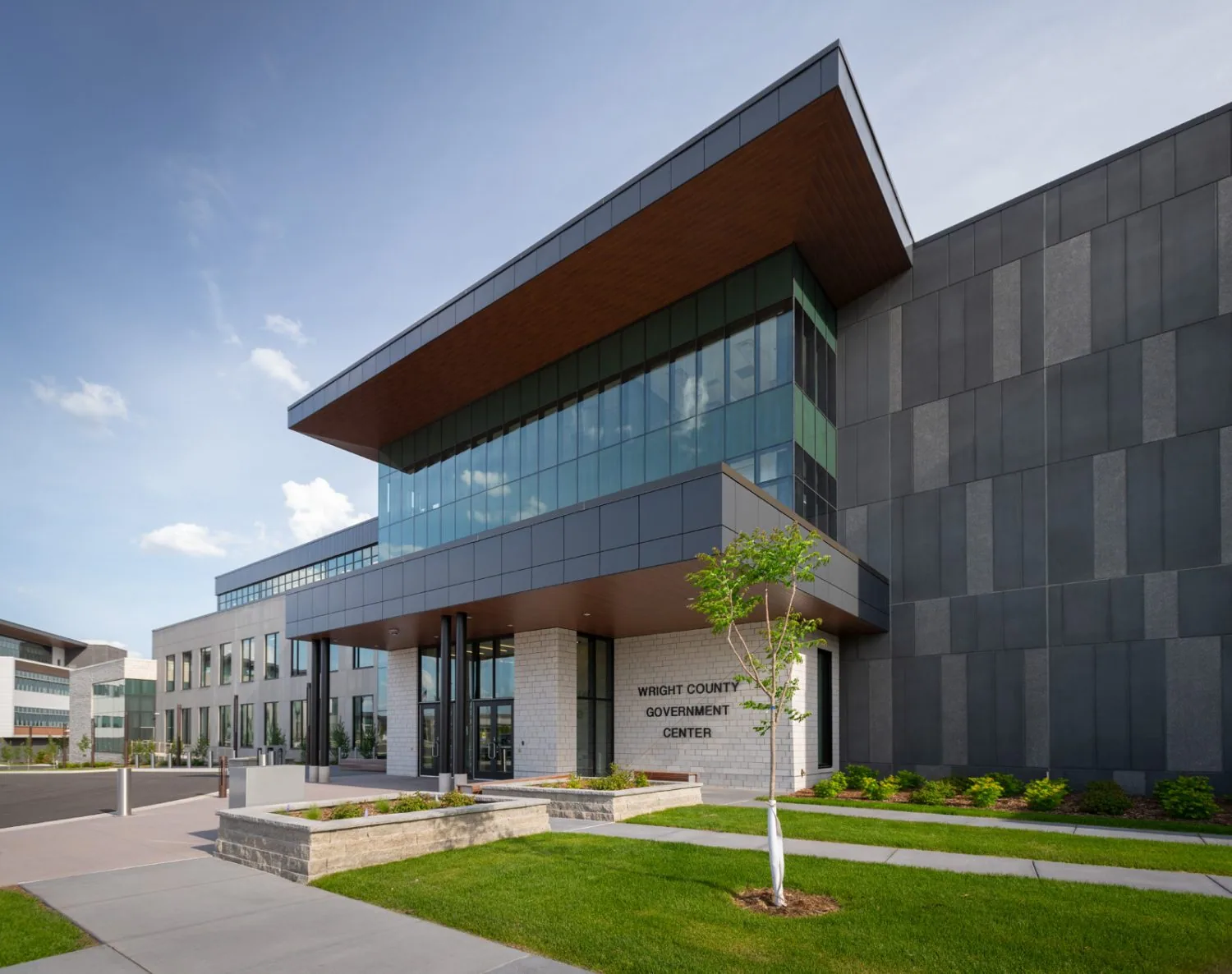
Government Building Roofing
Read the full page
Lemoore
See how we handle it
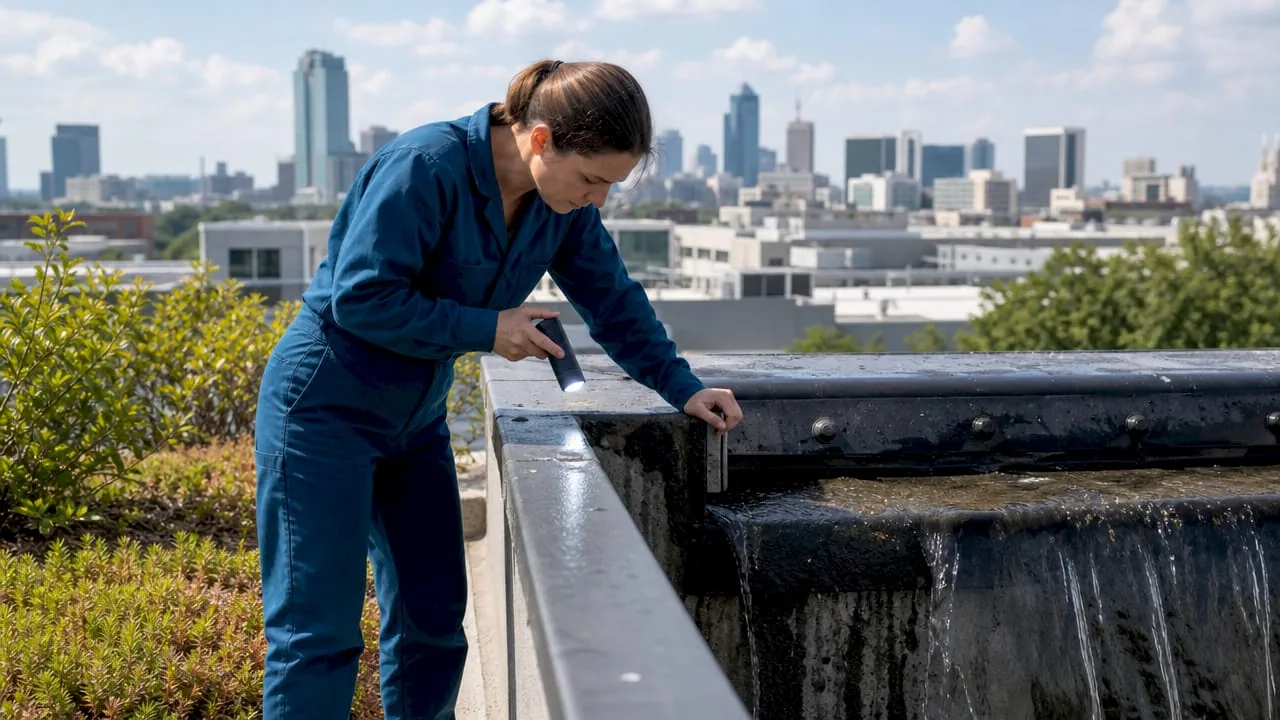
Roof Drains and Scuppers
Scope, sequence and repair notes
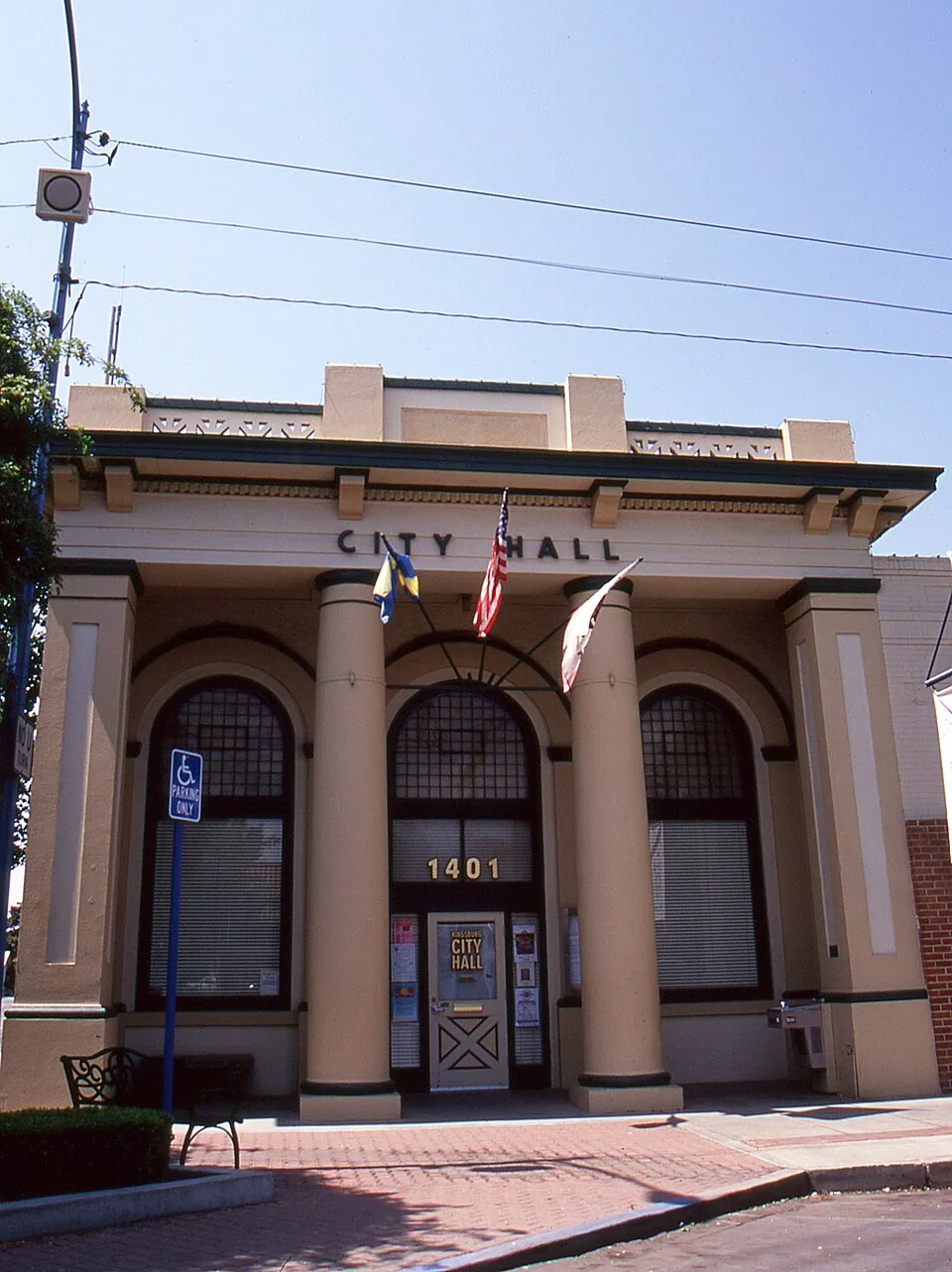
Kingsburg
Read the full page
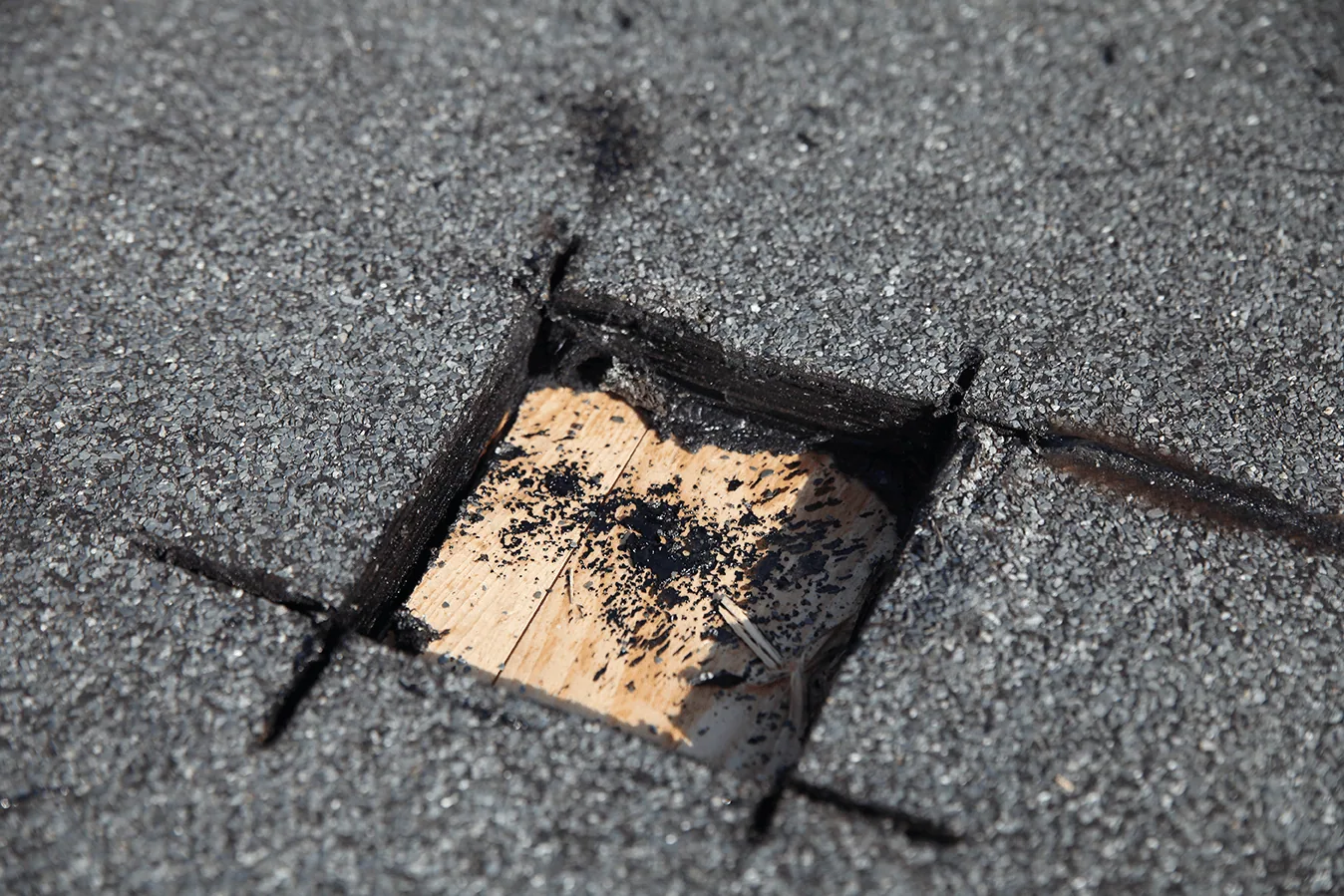
Infrared Roof Moisture Survey
See how we handle it
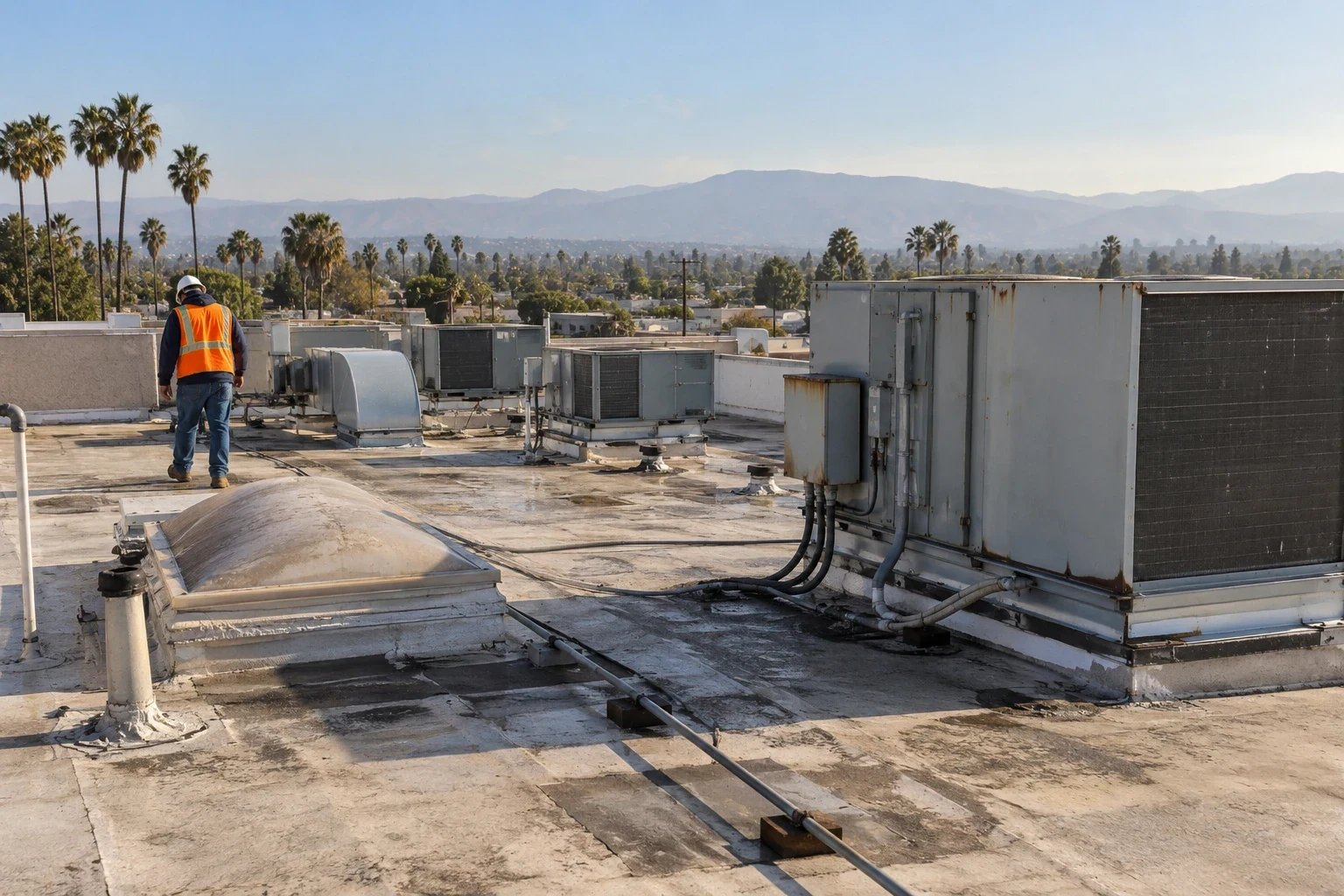
Roof Condition Records and Repair Planning
Scope, sequence and repair notes