
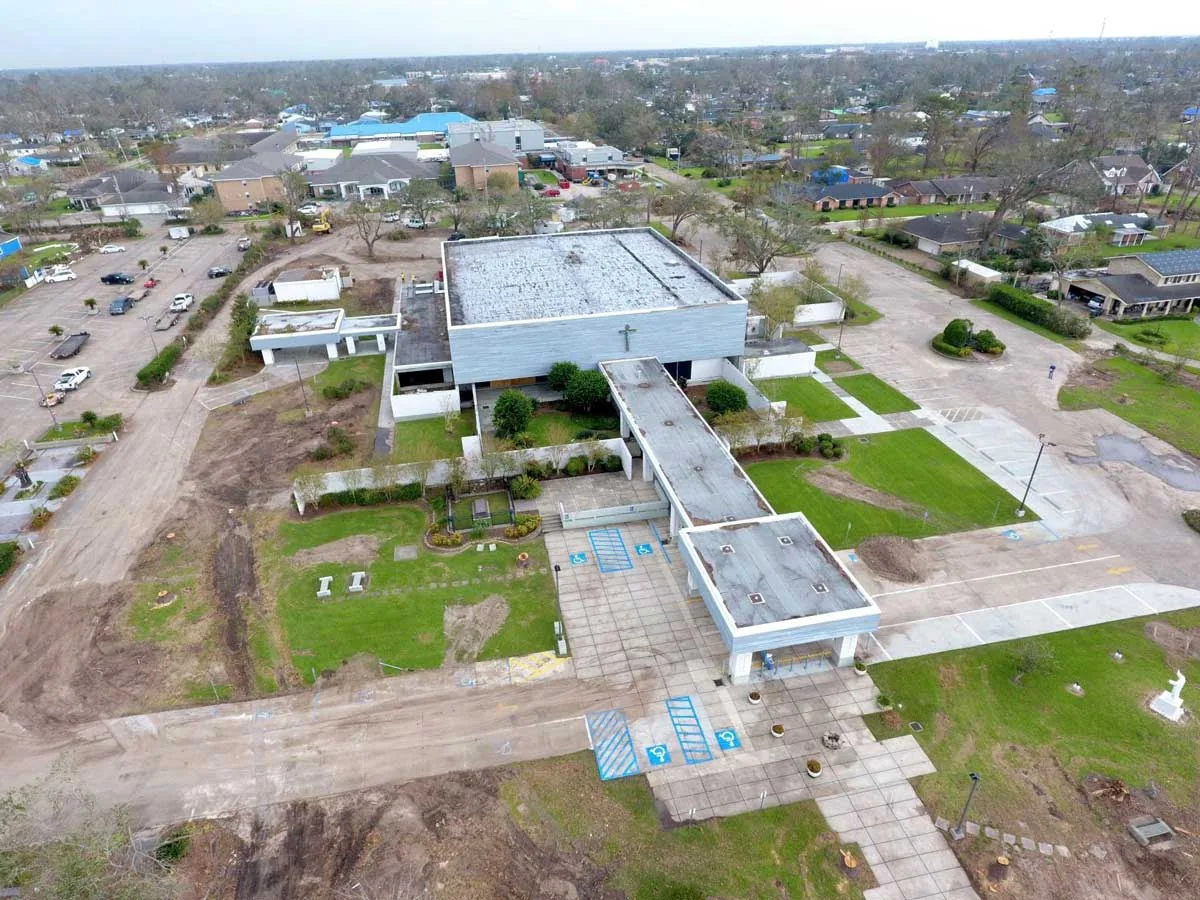
Insurance Restoration Roofing in Clovis, CA
Industries We Serve
A building owner photographs a spreading ceiling stain after winter rain, then asks whether the roof repair can wait until an adjuster visits. In Clovis, CA, the immediate roof decision concerns continuing water entry and protection of the occupied building; the coverage decision belongs to the insurer under the policy. We examine the affected roof area, discuss temporary containment and record conditions that can be observed before material is disturbed. Permanent repair follows the damaged assembly and any needed investigation of concealed moisture. The work record distinguishes what was seen, what was removed and what remains uncertain, giving the owner a factual account without treating every wet area as storm damage or promising that a claim will pay for the roof.
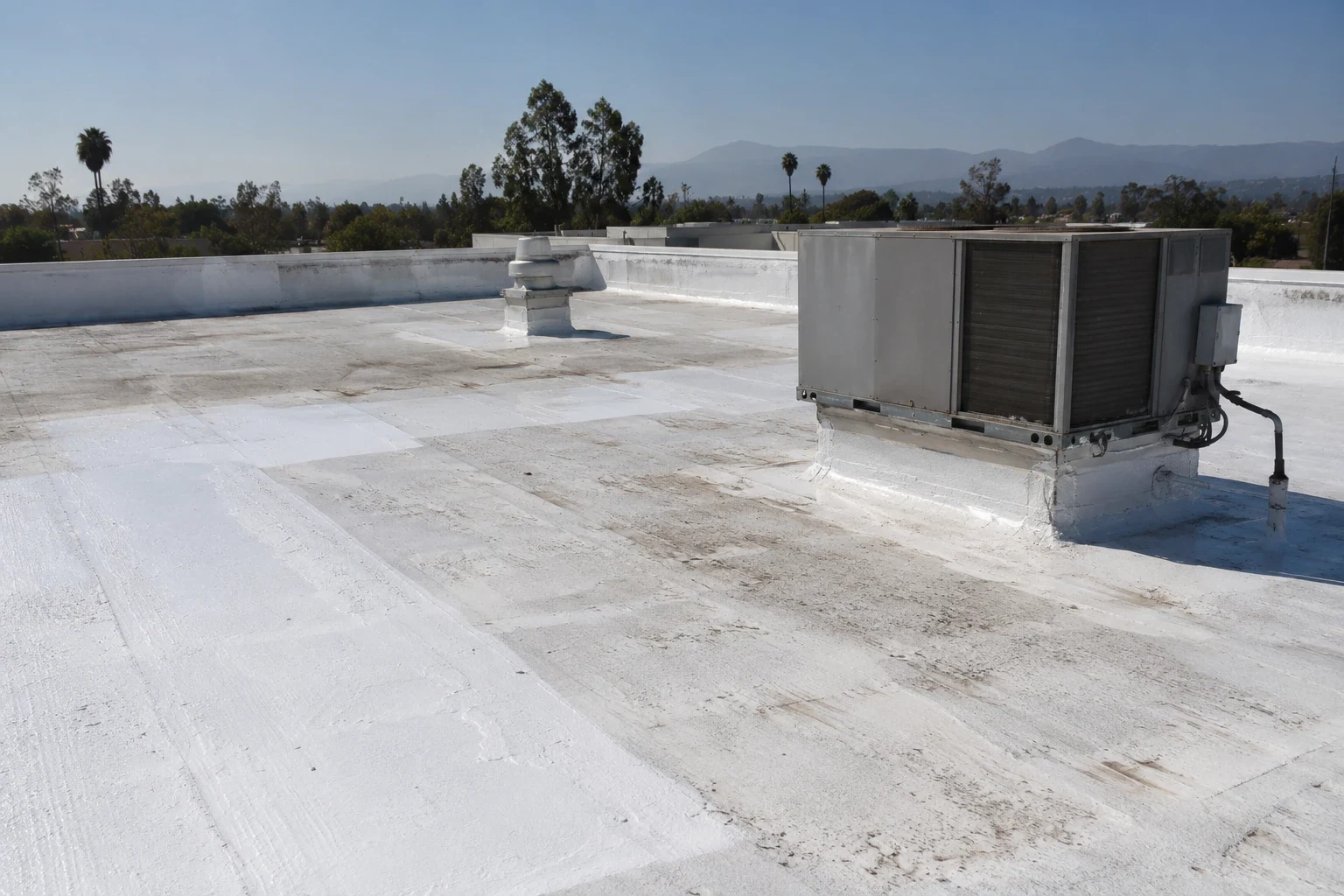
Damage observations and repair history
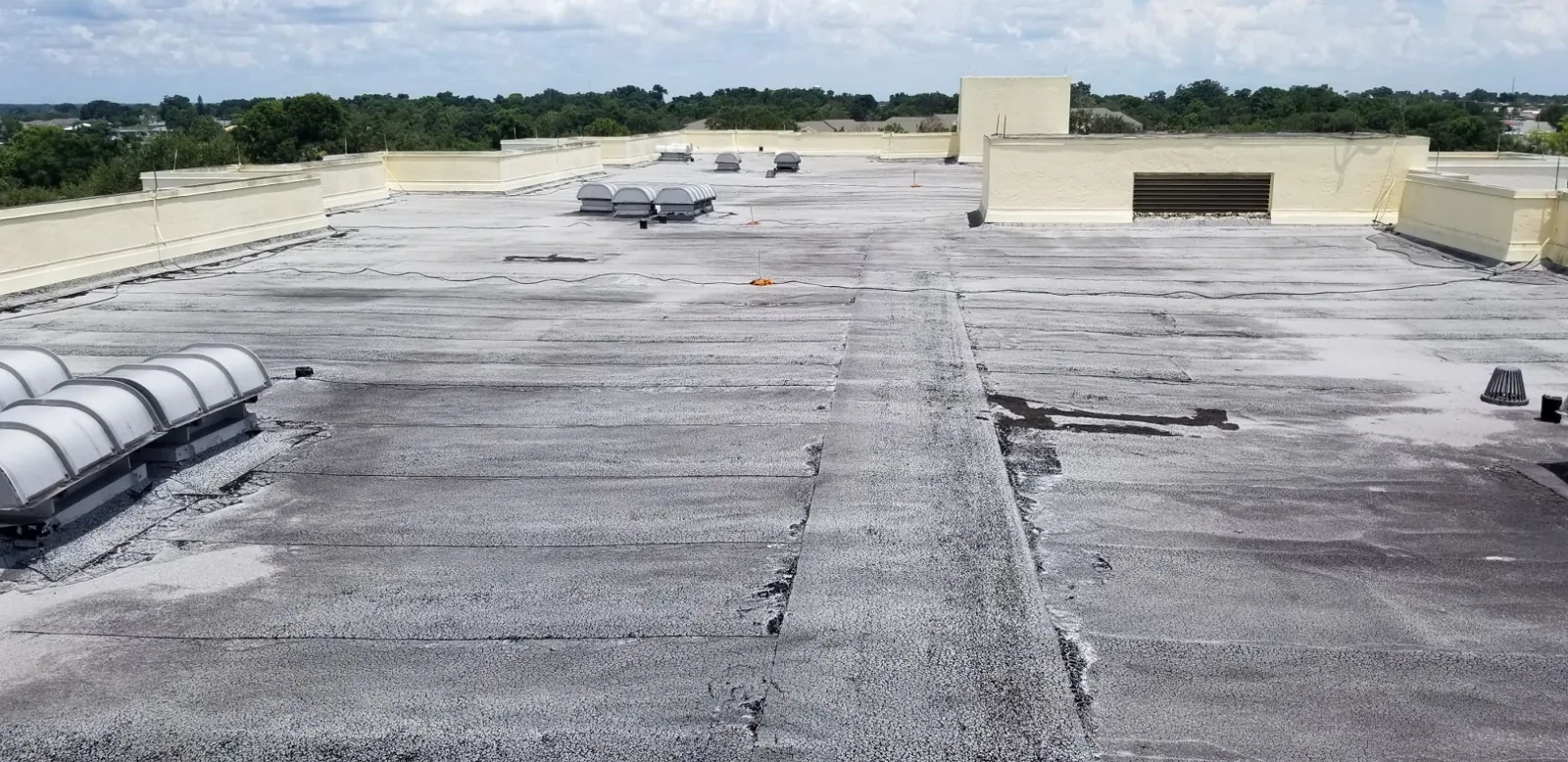
A split seam beside an older patch can have several contributing conditions, including material deterioration, movement and a recent event. We document the visible defect, the surrounding roof and available repair history before assigning a repair boundary. Roof claim documentation assistance supports that account with photographs and descriptions of the work, while the insurer evaluates coverage. We do not turn an interior stain into proof of a specific event or assume that adjacent worn material was damaged at the same time. Where the cause cannot be established from accessible conditions, that uncertainty should remain explicit in the findings. The permanent repair still needs to correct the defective weather barrier, but its technical scope and the coverage decision are separate questions.
A claim affecting a Blackstone Avenue Commercial Corridor building should be documented at the damaged roof zone, with access and emergency protection agreed before removal begins. If the owner also manages a Clovis Avenue corridor property, keep its inspection and approval records separate; similar tenant use does not prove a shared cause or assembly.
Urgent containment before wider investigation
Water reaching an electrical area or stored material can require immediate building protection while the owner arranges the claim inspection. We discuss the exposure, roof access and conditions for temporary emergency roof repair, documenting the area before and after work where practical. Our service is available beyond daytime hours, throughout weekends and on holidays, with response arrangements established during the call. Temporary materials are selected for the actual surface and weather conditions; they should not be represented as final replacement of wet insulation or failed flashing. The owner should also contact the insurer about its process and documentation needs. We record the work performed and remaining repair requirements so urgent containment has a clear connection to the eventual permanent construction.
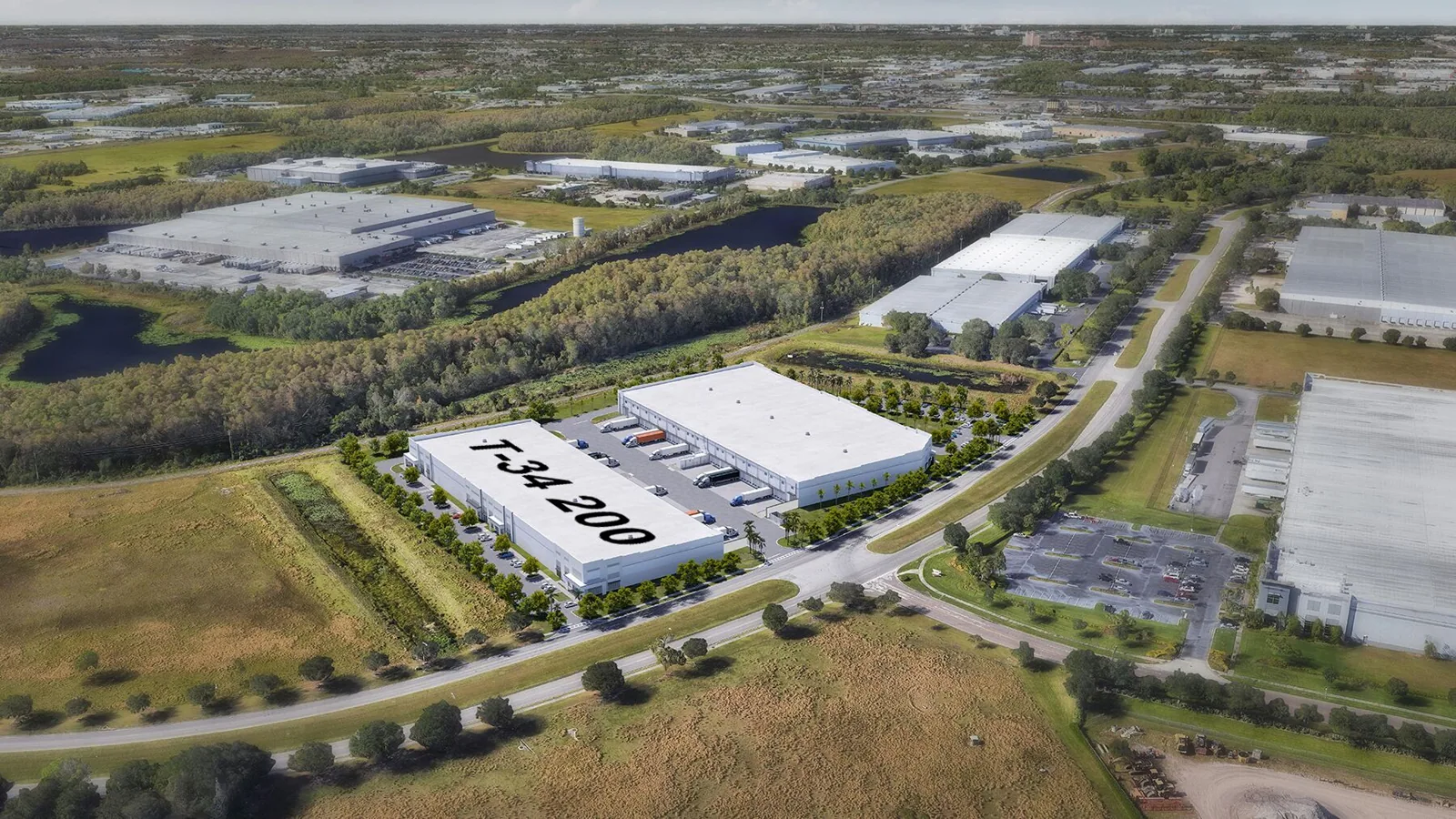
Local inspection positions and regional events
Commercial losses in Clovis can involve public, medical and retail properties with different access contacts and interior-protection needs. For an authorized inspection, connect photographs and repair findings to the specific building and roof area, then distinguish observed damage from conclusions about timing or cause. Fresno’s July 2024 heat history offers regional weather context, but it cannot establish when a membrane split occurred. Keep the measured roof scope useful for review while leaving coverage and settlement decisions to the insurer.
Moisture extent and repair quantities
An open lap may be small while wet insulation extends beyond it, making the visible defect an unreliable measure of repair quantity. We investigate the affected assembly and explain where sampling or moisture checks are needed before the permanent scope is settled. Thermal moisture investigation can guide confirmation under suitable conditions, but interpretation and further checks remain necessary. The record should distinguish observed damage from the proposed removal boundary and identify concealed conditions discovered during work. If opening reveals deteriorated decking, the responsible design or structural review may be needed before closure. A claim allowance does not make unsuitable material acceptable to leave behind; we describe the actual repair requirement and the authorization needed to address it.
Occupied restoration and trade coordination
Ceiling removal, interior drying and roof reconstruction can overlap without sharing the same responsibility. We coordinate the roof work with the restoration general contractor and explain where equipment disconnection, electrical isolation or interior protection affects the opening sequence. The roof crew restores the weather barrier while other trades control their services and interior remediation. Property managers may also coordinate tenant access and owner approval, particularly where several occupied suites are exposed. We agree how findings will be communicated if wet material extends into an area that was expected to remain in use. That arrangement prevents a roofing change from reaching the interior crew as an unexplained interruption and keeps the protection of occupied space connected to the current roof boundary.
Permanent repair and claim records
Replacement material must suit the existing roof chemistry and the support beneath it, even where the claim describes the work in broad terms. We examine the tie-in, attachment and flashing geometry before recommending permanent storm-related roof repairs for an established defect. A wider replacement may be appropriate where condition and repair feasibility support it, but the recommendation should explain those findings rather than rely on the claim label. Final photographs identify the completed area and any remaining conditions outside the authorized work. A written roof condition account can preserve that distinction for the owner and insurer. Payment, coverage and claim acceptance remain insurer decisions; the construction record establishes the repair completed and the building conditions observed during that work.
The owner should retain the incident report, roof photographs and work authorization with the property record, then compare them with the contractor’s field findings. If the leak recurs after a repair, the follow-up should revisit the documented zone and check the connected transition rather than reopening unrelated roof areas by default.
A repair estimate should identify the observed roof area, the material removed, the temporary protection and any concealed condition that remains unverified. For a loss in Clovis, retain building and photo references that distinguish one property from another. A regional event can frame the timing of an inspection, but it should not substitute for evidence about the cause or date of a specific roof defect.
Commercial Roofing Questions
Should containment wait for the insurance inspection?
Continuing water entry needs consideration alongside the insurer inspection process. The owner should contact the insurer promptly about its requirements, while we assess urgent protection and document conditions where practical. Leaving active water entry unresolved can enlarge building damage before a permanent scope is agreed.
Can you tell us whether a seam split will be covered?
Policy coverage belongs to the insurer. We describe the split, surrounding assembly and available evidence, including limitations in establishing cause. A roof defect can require repair even if its insurance treatment remains unresolved, so the technical findings should stay clear throughout the claim discussion.
Does the wet ceiling establish the roof repair quantity?
The roof moisture boundary must be investigated separately from interior staining. Interior staining can be smaller or larger than the area of damaged insulation. We investigate the roof and document exposed conditions before defining removal, rather than treating the ceiling dimensions as a measurement of the roof work.
What changes after concealed deck deterioration is found?
An unsuitable deck requires review before the roof can be rebuilt over it. We record the exposed condition and identify who must authorize the substrate correction. Additional trade or design input may be required, and the repair record should separate that discovery from assumptions made before opening.
How do final photographs support the claim file?
Recognizable repair positions and a description of completed materials make the photographs useful. We connect the before, exposed and completed conditions where available, while identifying work outside the authorized scope. The insurer determines the file requirements and claim outcome; the photos establish what our construction record can show.
A roof loss with continuing water entry
Describe the building address, affected interior areas, known event timing and any insurer inspection arrangements. We will discuss immediate protection, the roof investigation and the records needed to explain the permanent repair.
Related Pages
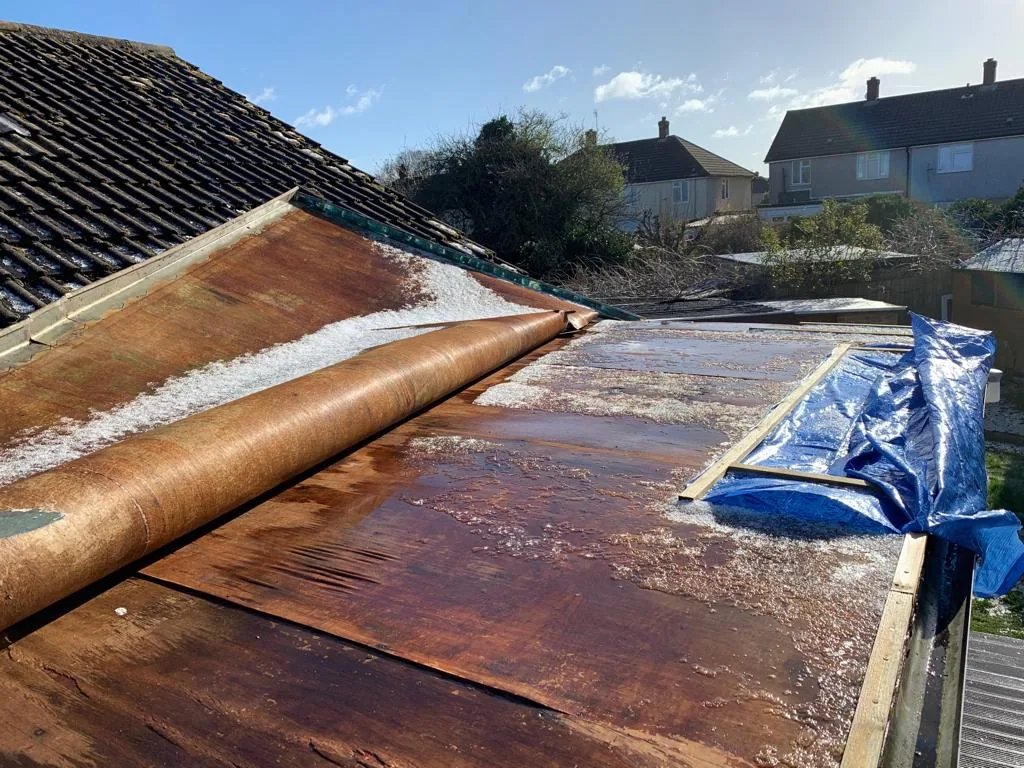
Roof Insurance Claim Assistance
Read the full page
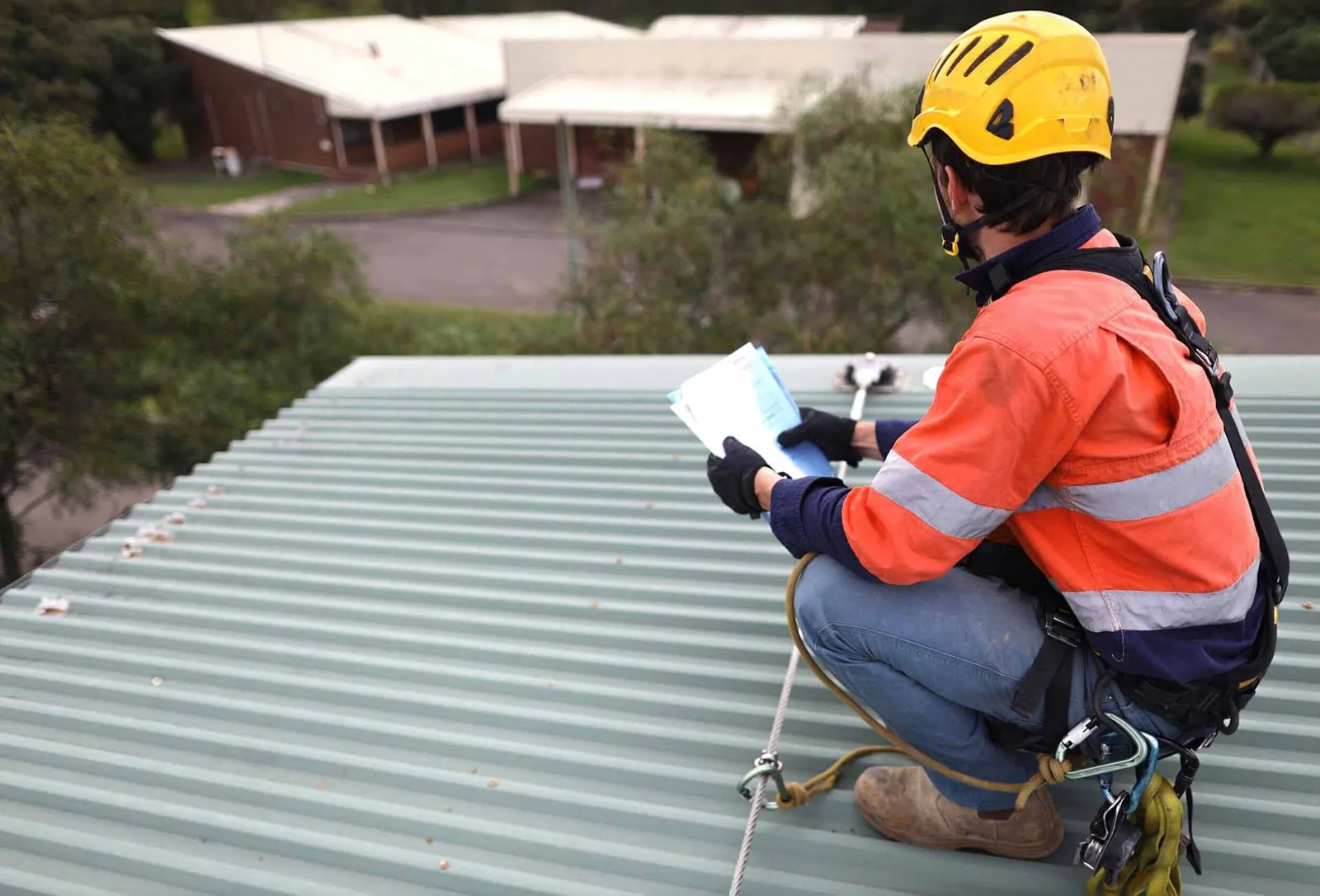
Emergency Commercial Roof Repair
See how we handle it
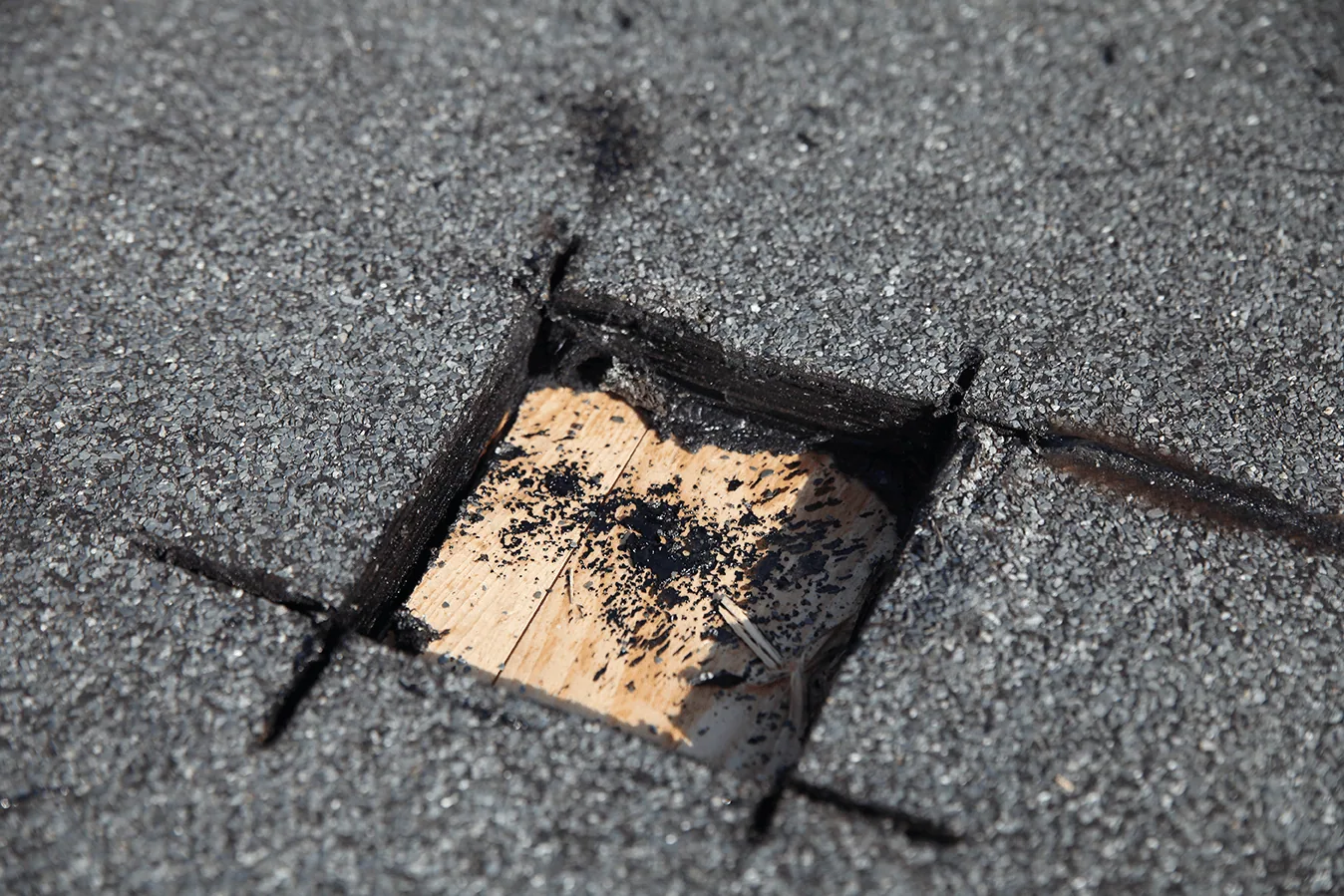
Infrared Roof Moisture Survey
Scope, sequence and repair notes
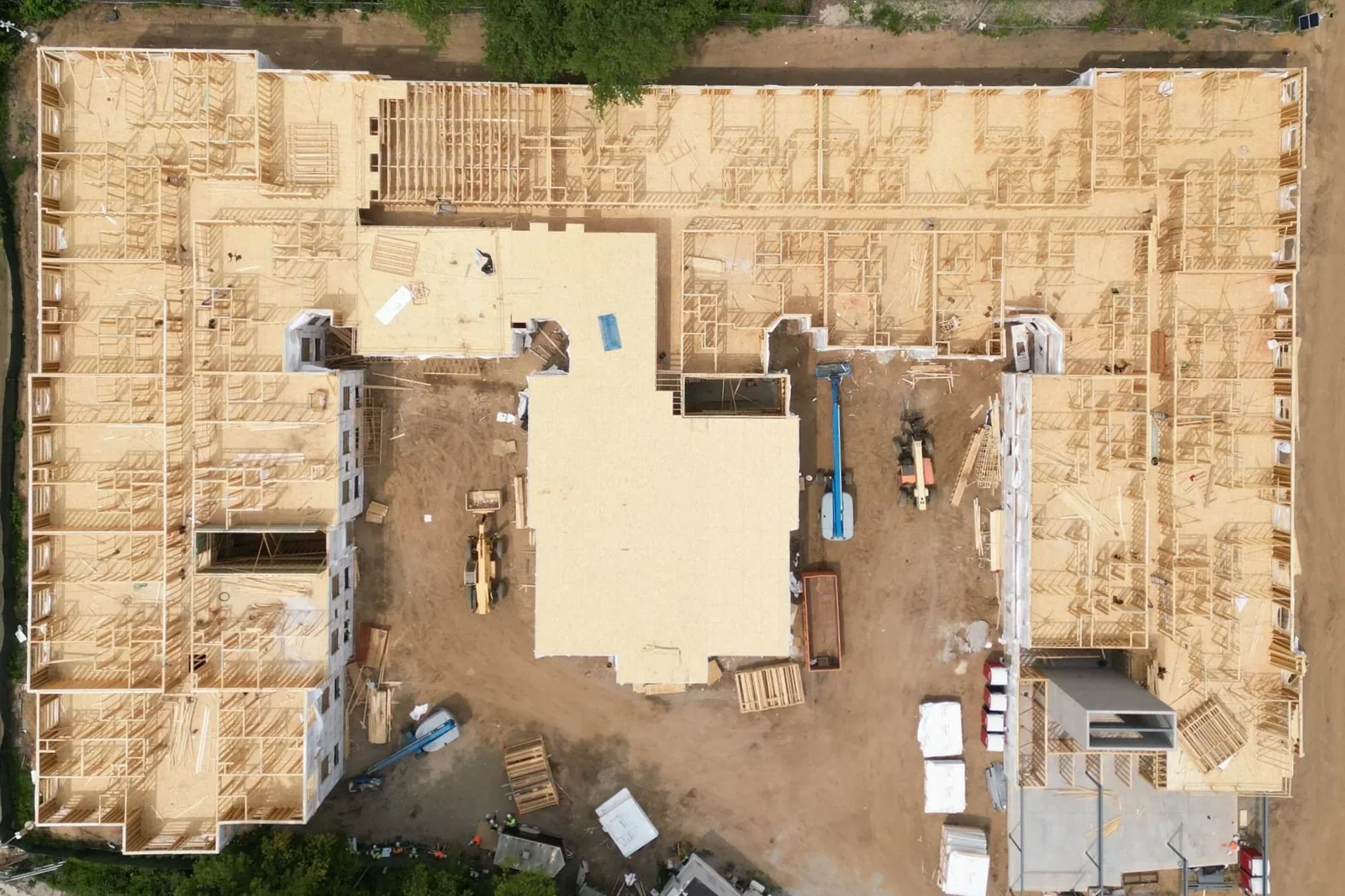
General Contractors
Read the full page
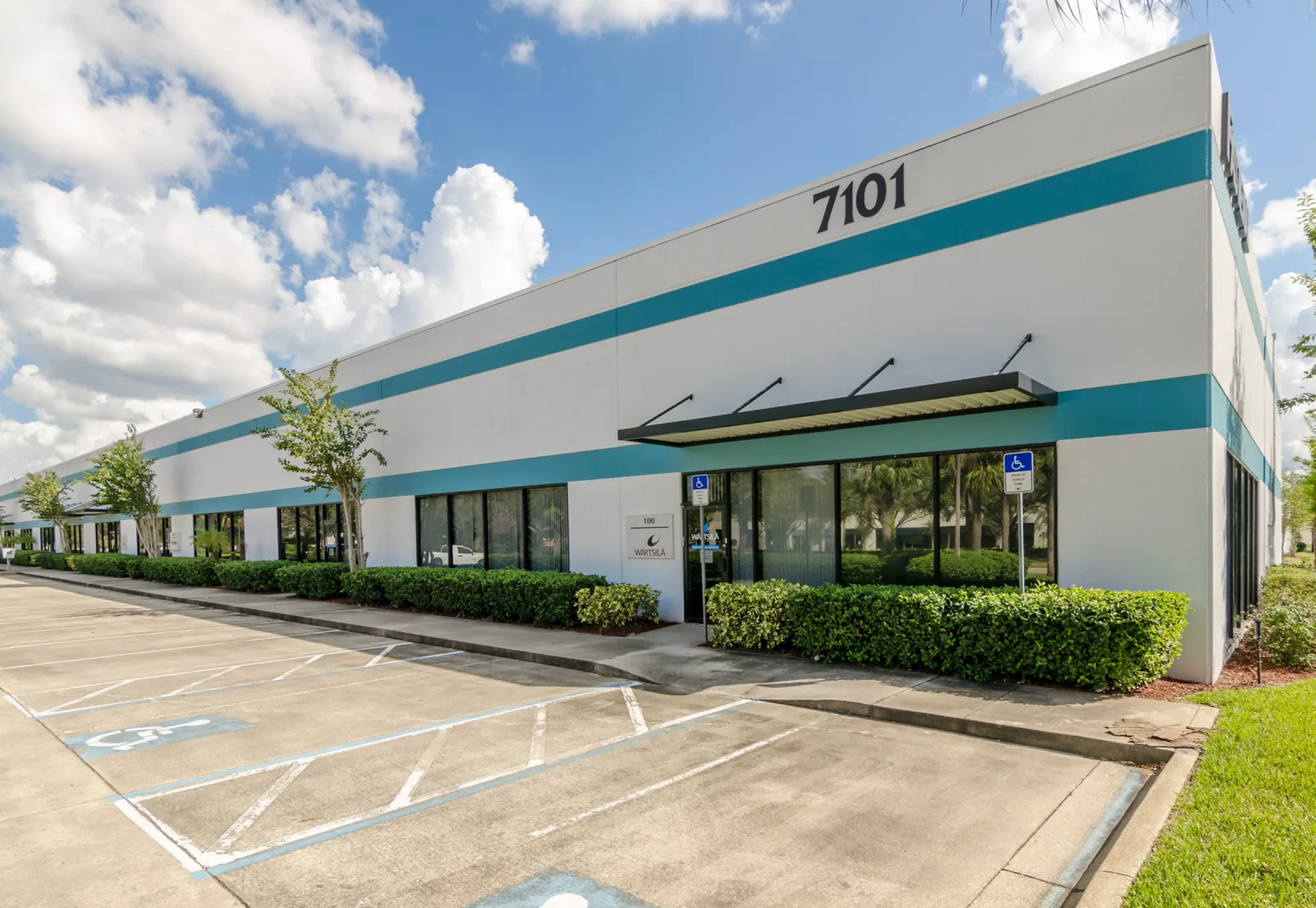
Property Managers
See how we handle it
Storm Damage Roof Repair
Scope, sequence and repair notes