
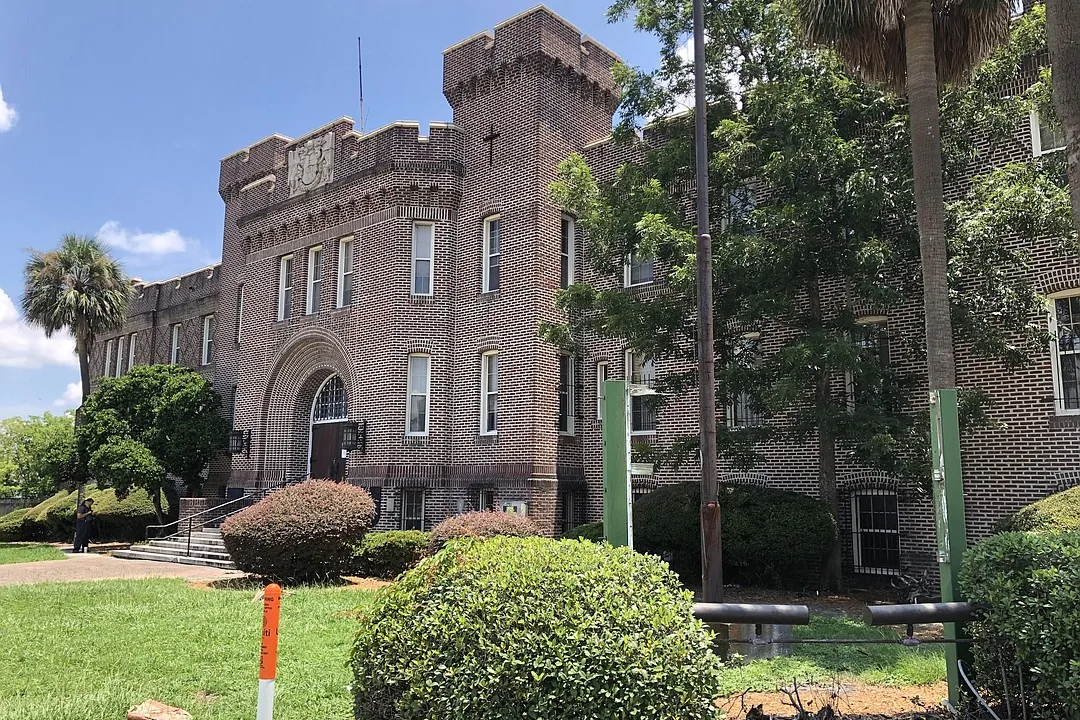
National Guard Armory Roofing in Clovis, CA
Property Types We Roof
Fresno and Clovis include military and public-service properties with separate access authorities. An armory classroom needs its own roof examination, facility release and protection plan before selecting a repair. Identify the room, wall or roof transition involved, then confirm any escort, vehicle or photography restrictions with the responsible command. Keep the authorized work boundary distinct from nearby facilities and refer operational decisions to installation staff.
The wall cap and flashing
A gap at a coping joint can allow water behind the vertical roof flashing, even though the membrane at the wall base appears intact. We examine the cap, joints, fastening and termination above the roof covering, then distinguish water entering from above from a split at the horizontal transition. The available wall construction determines how the pieces can be opened and closed. Wall cap and coping work should preserve a clear drainage path instead of trap water behind a surface bead.
The indoor mark helps locate the investigation but does not identify the full length of the defect. We compare nearby joints, changes in wall height and transitions to adjacent roof areas, recording the accessible condition before removal. If the wall covering itself is suspect, the relevant trade may need to evaluate it alongside the roofing work. A permanent roof patch cannot settle deterioration concealed inside a wall or correct water entering above the roof termination.
The classroom protection area
A damp ceiling panel can require an interior restriction before the roof detail is reached. The facility representative manages the classroom use and directs movement of contents, while we coordinate a roofing inspection that avoids unnecessary disturbance above the occupied space. If an opening is needed, its location and closure method are discussed before cutting. Government building roof work needs an agreed boundary between the roof task and any interior or wall repairs. That boundary also determines who reports a new drip during the work.
Our emergency telephone service accepts active-leak calls throughout the night and over weekends or holidays. We use the initial conversation to understand the affected room, the amount of water and the contact responsible for entry arrangements. Same-day containment depends on access and the roof conditions found, rather than the building label. A temporary connection is recorded with its intended follow-up, particularly where it covers a joint that must be examined again during the permanent repair.
Fresno Air National Guard Base is another local military setting, but an armory classroom assignment has its own facility representative and work restrictions. We establish the particular room and exterior inspection route rather than transfer access arrangements from another installation or assume a shared building assembly.
The concealed damp layer
A wall-base flashing that feels loose may have lost adhesion to its backing, but the reason needs investigation. Moisture, unsuitable preparation or movement can leave a similar visible separation. We examine the substrate and the connection to the roof field before choosing a repair material. Failed wall flashing repair may require removal of wet or unsound material before rebuilding the transition. Applying a cover strip over an unstable base leaves the underlying defect in place.
The opening should reveal enough of the assembly to establish a sound termination without removing material indiscriminately. We describe the exposed condition, any damp insulation and the repair boundary. If deterioration continues beyond the approved opening, the expanded work needs coordination before closure. Photographs preserve what was found beneath the covering, and the permanent proposal distinguishes roof flashing replacement from a wall correction that depends on another scope or design decision.
Heat at the transition
For Fresno, July 2024 had a reported mean temperature of 90.0 F. At a roof-to-wall connection, regional summer heat makes differential movement worth examining: the roof covering, metal cap and wall do not necessarily move together. We look for restricted joints, pulled terminations and a connection that can accommodate the actual assembly. The historical weather figure is context for the investigation, not a measure of the armory roof surface or proof of its failure.
Material choice follows identification of the existing covering and sound substrate. For a modified bitumen roof transition, preparation and application differ from a weldable single-ply repair. Heat-sensitive surrounding components, ventilation and the occupied room can also affect the selected method. At a larger associated facility, Army facility roof repairs may involve drainage or storage protection concerns that deserve a separate investigation rather than extending the wall diagnosis to unrelated buildings.
The permitted removal sequence
An inspection route through a controlled facility requires the assigned representative to establish entry and escort rules before personnel or materials arrive. We identify the roofing activity, proposed opening and intended staging for that coordination. The permanent work also needs the applicable project criteria and inspection requirements reviewed before changing the assembly. A temporary seal over a joint does not authorize removal of a cap, wall covering or underlying support.
For work in Fresno, the return visit includes an actual substrate check, an examination of the temporary protection and a planned closure for the approved opening. Once the wall transition is rebuilt, we check accessible connections and identify any remaining wall findings. A report of the roof and wall junction explains what was corrected and where further investigation remains necessary. Keeping that distinction visible helps the operator respond to a later interior mark without assuming that all water pathways were resolved by one roof task.
An armory may support training, equipment storage and scheduled community use, so confirm the calendar and access contact before setting a roof work window. The facility representative should identify secured rooms, vehicle routes and any storage that needs protection from overhead debris. If the building is under a specific National Guard command, follow that project’s authorization and escort procedures rather than assuming a standard commercial release. The scope should state where the crew can stage, how each day’s exposure will be closed and which concealed conditions need a separate approval.
A repair above an armory classroom may involve stored equipment, training schedules and controlled entry. The local facility contact should identify the release authority, interior protection needs and approved vehicle route before work begins. A temporary closure should be documented separately from a permanent roof correction, and any additional inspection beyond the released area requires new approval. This keeps the service scope useful to public and military operators without implying access to a specific installation.
Commercial Roofing Questions
Does a classroom stain mean the wall flashing must be replaced?
The entry path decides the scope. A coping joint, wall defect and roof-base separation can leave similar indoor evidence. We inspect the accessible junction and recommend opening only where necessary to identify the defective connection before proposing replacement.
Can a wall cap be removed during a brief access period?
The ability to close the exposed junction governs that decision. We consider the opening length, material availability, substrate condition and weather before removal. An approved entry interval alone is not enough if the roof-to-wall assembly cannot be protected when that interval ends.
What changes a sealant repair into a larger wall task?
Unsound backing or water entering above the roof termination can extend the correction. We record the exposed evidence and identify the affected trade or design question. A thicker surface bead cannot restore deteriorated support or create the missing waterproof transition beneath it.
How should a repeat stain be reported after the repair?
The new timing and location provide useful comparison with the original findings. Tell us whether the mark followed rain, increased after the storm or appeared on a different wall face. We compare that information with the completed detail and any unresolved pathway recorded at handoff.
The wall line and the room
Tell us where the ceiling mark meets the wall, when it changed and who coordinates armory entry. We discuss immediate containment that day and the inspection needed before removing the wall transition.
Related Pages
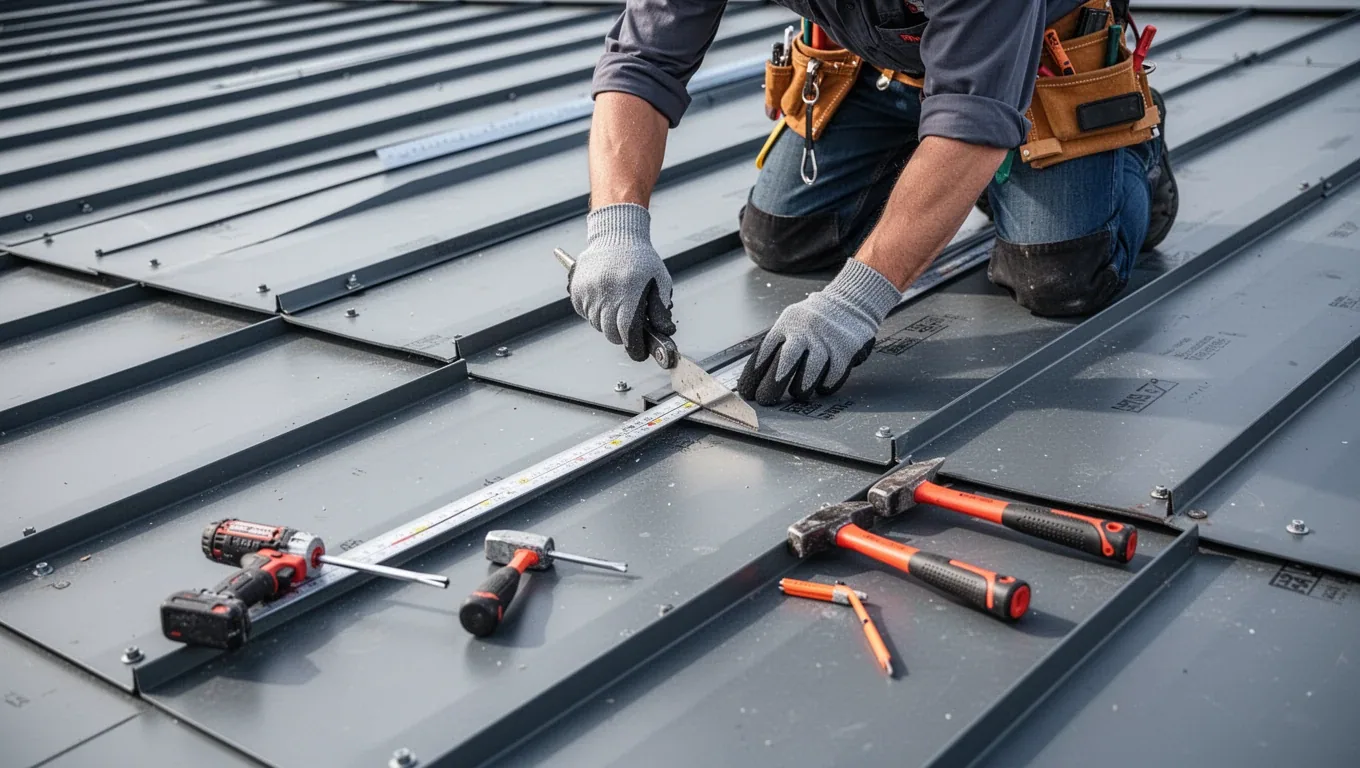
Edge Metal, Coping and Gutters
Read the full page
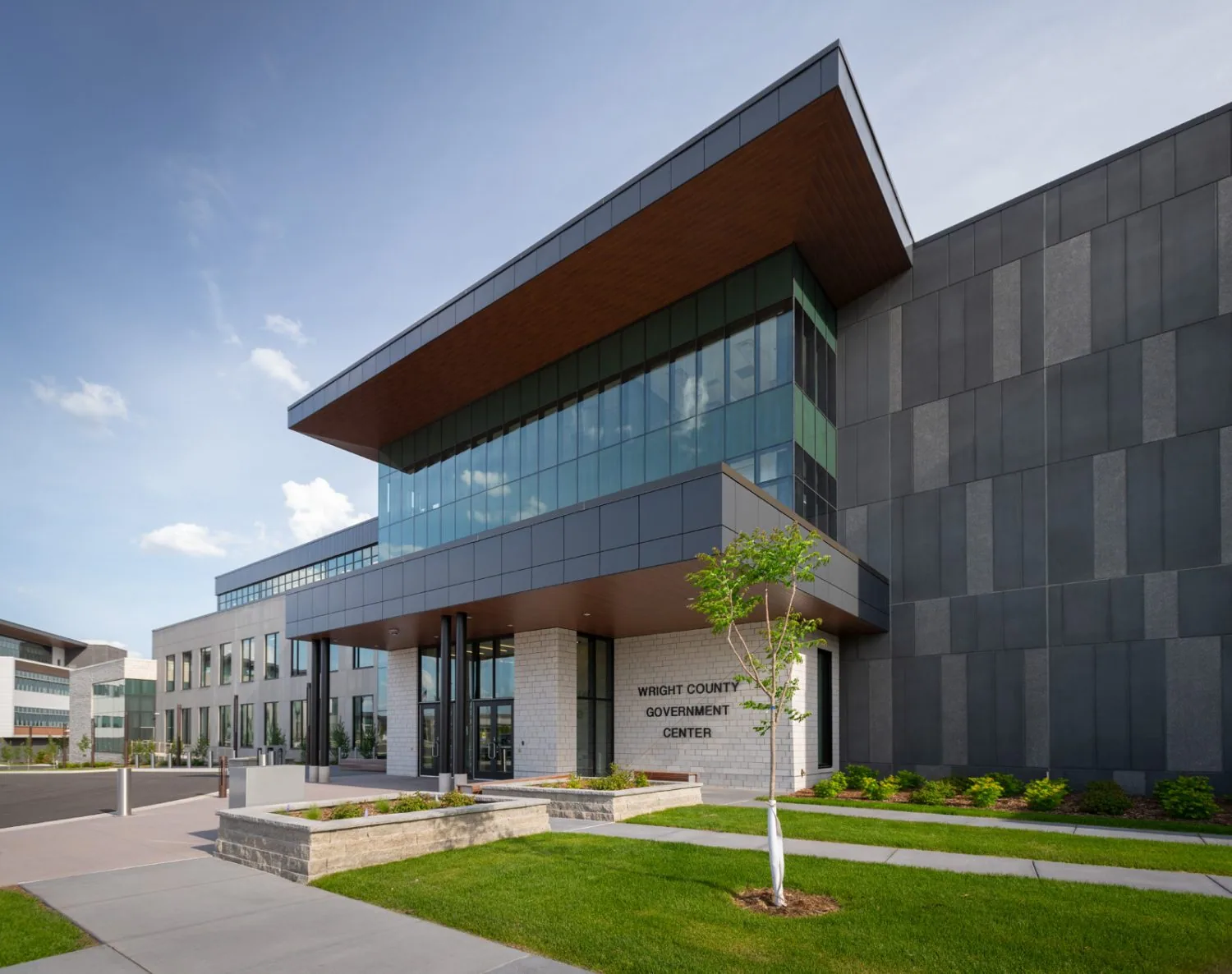
Government Building Roofing
See how we handle it
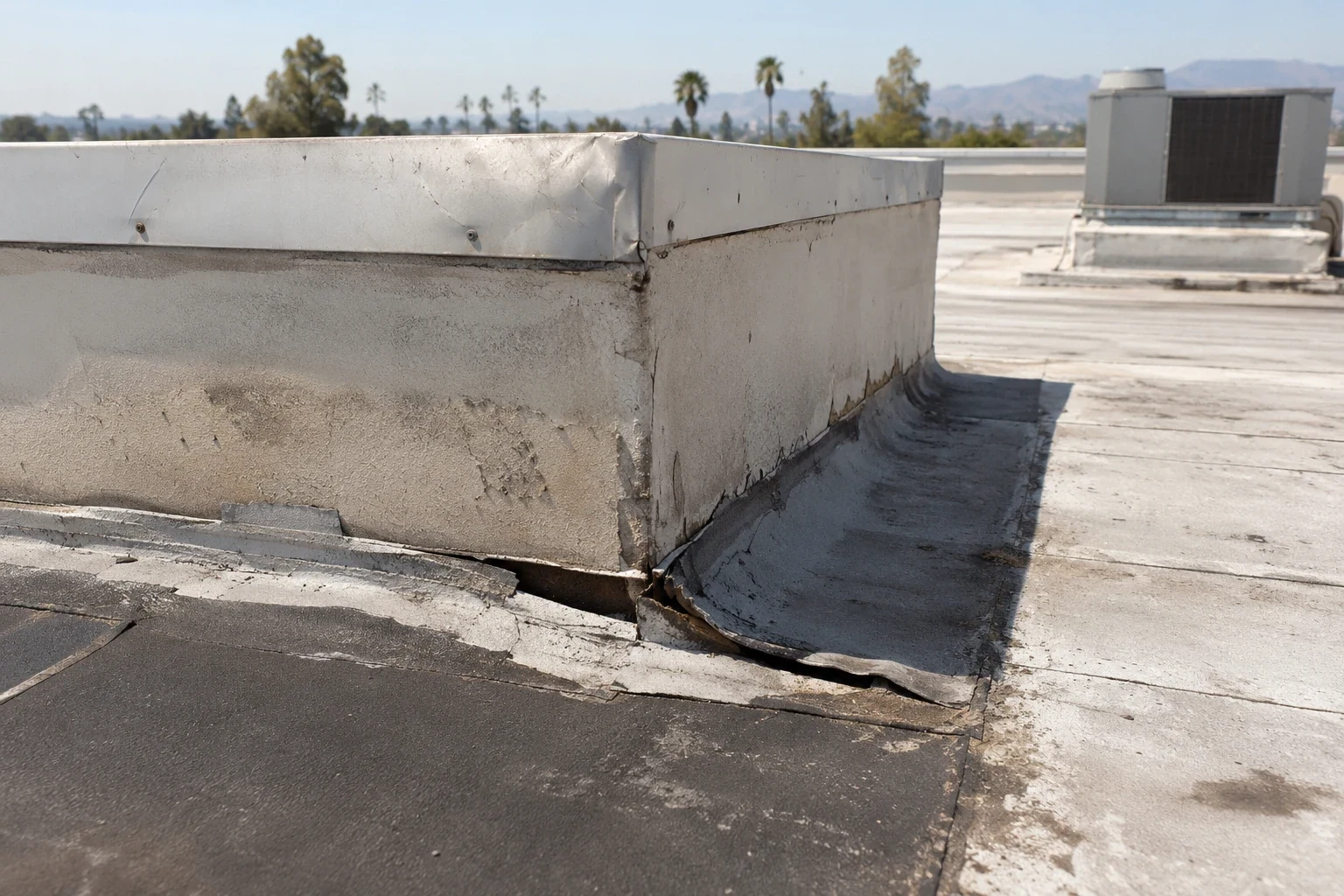
Flashing Failure Investigation in Clovis at Roof Transitions
Scope, sequence and repair notes
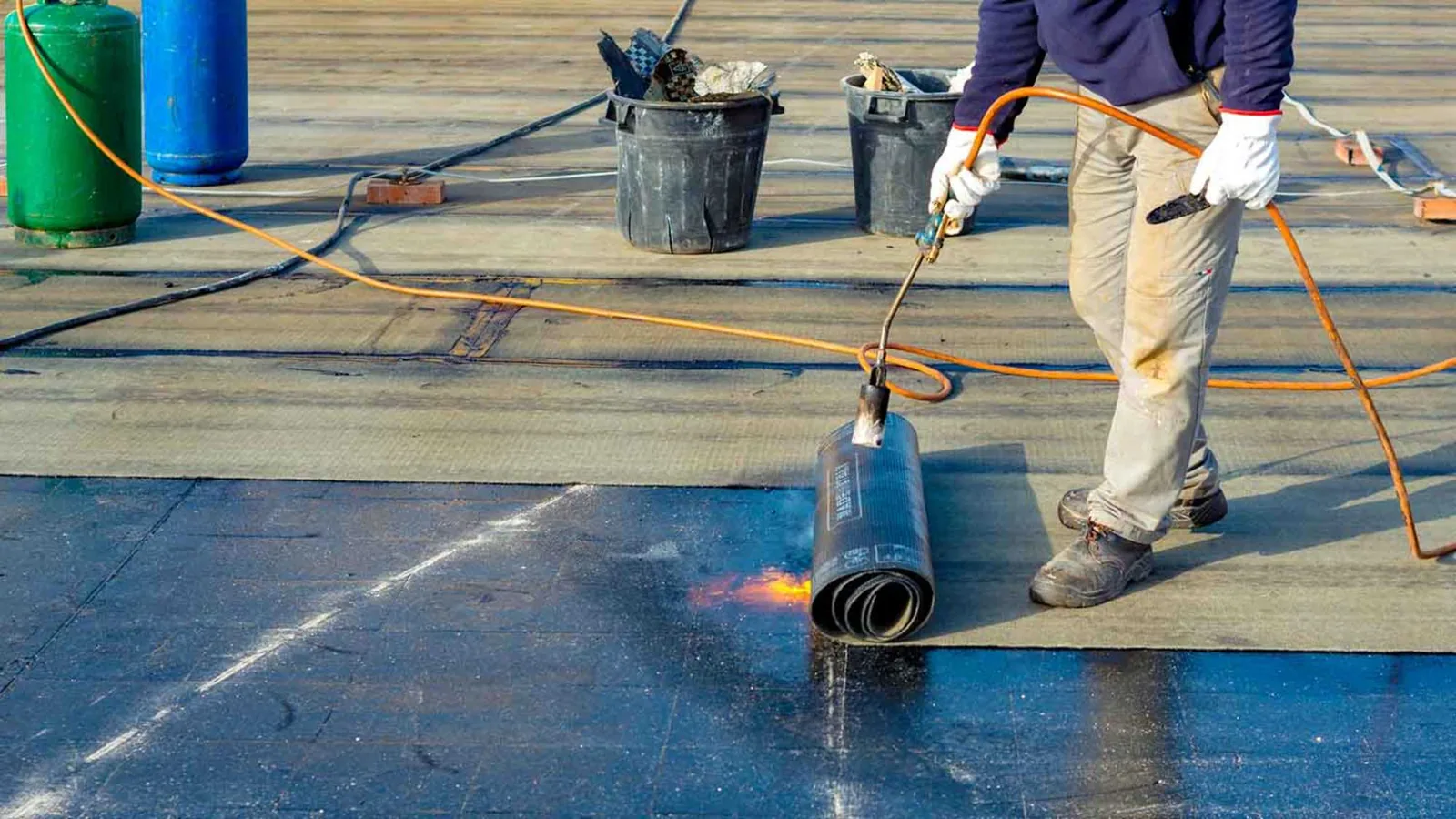
Modified-Bitumen Roof Repairs in Clovis at Laps and Blisters
Read the full page
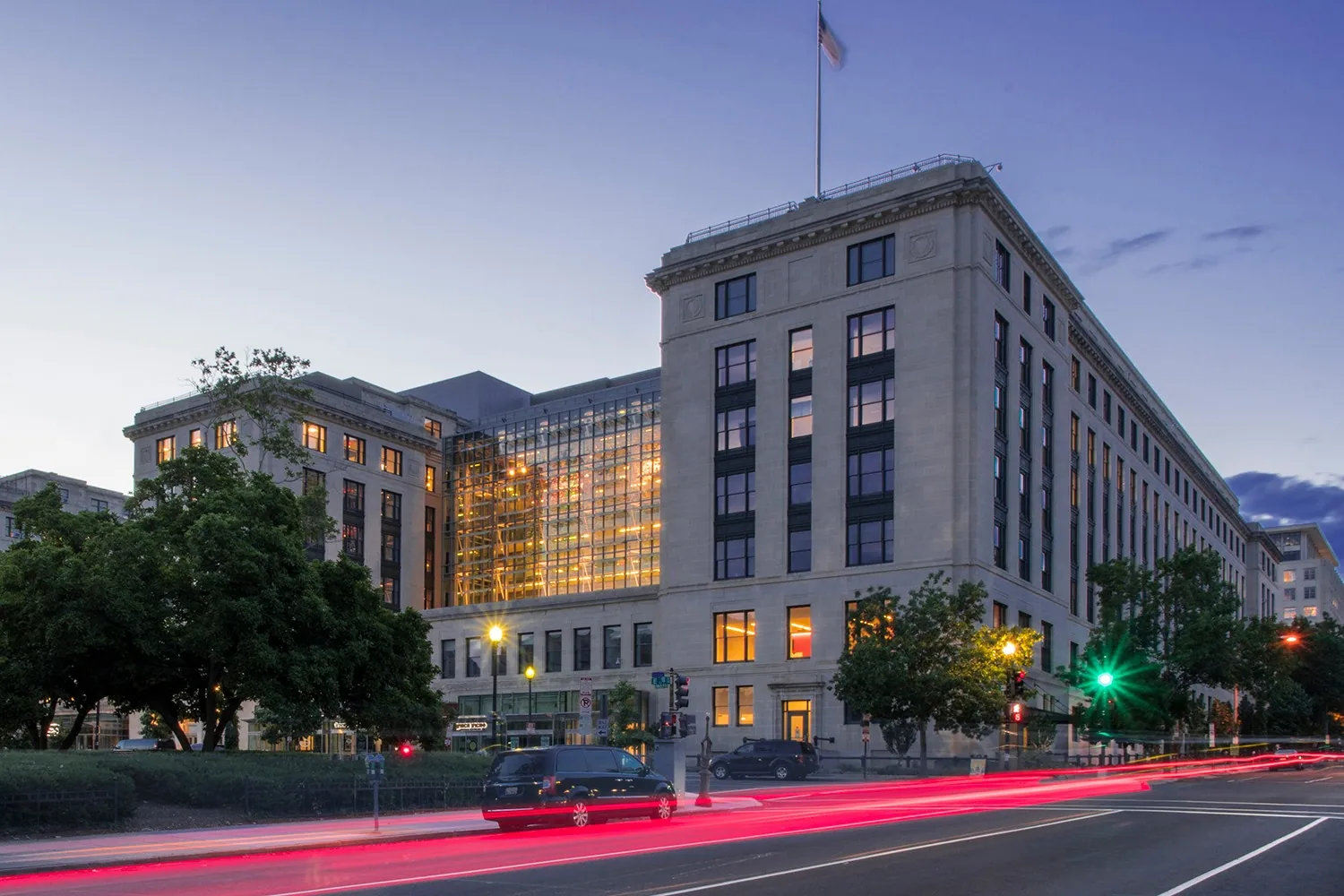
Army Installation Roofing
See how we handle it
Fresno
Scope, sequence and repair notes